Rustic Abstraction in Japanese Ceramics orcelain Reshaped
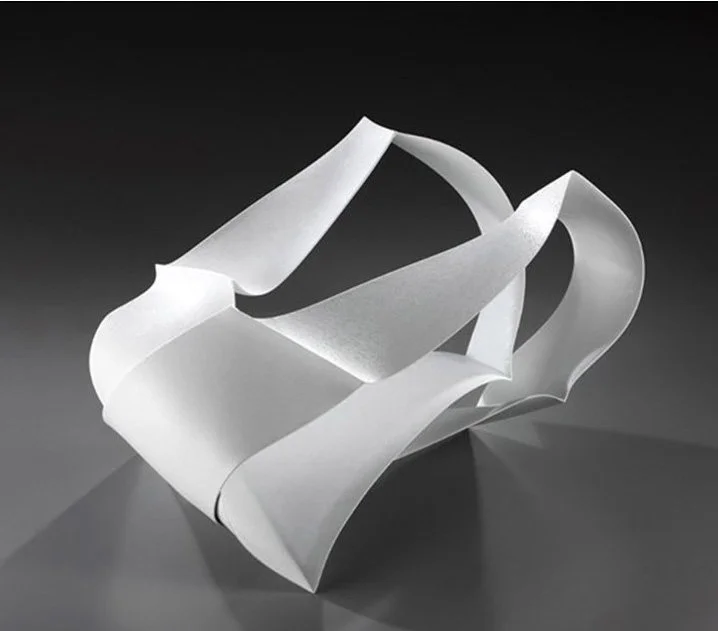
Long before Rothko and Pollock sought to establish a new language of artistic expression, on the other side of the Pacific, Japanese ceramists have been quietly making another kind of abstract art “painted” not on canvas but on clay using fire and ash as their medium to express profound emotions too deep for words. Their works manifest in tea bowls, sake cups and sake flasks, incense burners for the tea ceremony, flower vases and eventually, non-functional sculptures.
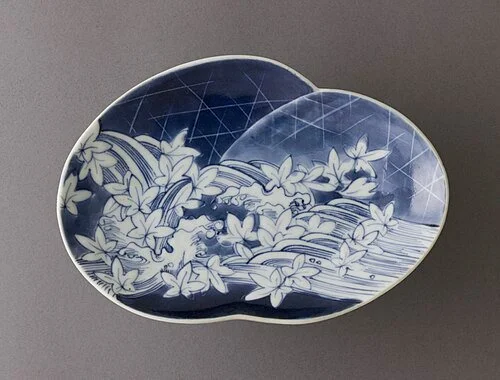
A Transformative Art
In place of paint, these artisans relied on the kiln, on wood ash and fire, and sometimes on rice straw and rice husks, letting nature create unrepeatable patterns that often appear uncannily like Western abstract art. For want of a better term, I will call this style of ceramic art, “Rustic Abstraction.”
A Transformative Art 2
More formally, rustic abstraction is an established aesthetic in Japanese ceramics that merges the wabi-sabi tradition with contemporary artistic sensibility, particularly its penchant for abstract expression.
In ceramics, wabi-sabi favors the raw, earthly and unadorned qualities of pottery. It also regards imperfections as a supreme form of “unpretentious beauty,” mirroring life itself.
Blending this form of rusticity with contemporary abstraction gives rise to a unique form of art, one that celebrates the quiet simplicity of the wabi-sabi tradition with the artistic freedom of abstract art.
Features of Rustic Abstract Ceramics
Works in the rustic abstract style share a few common features:
Asymmetric Forms
Rather than use the potter’s wheel to create flawless symmetry, ceramic artists use hand-building techniques such as coiling, slab-building and pinching to create asymmetric shapes that accord with the wabi-sabi notion of finding beauty in the imperfect.
Natural or Uneven Glazes
The archetype rustic object is fired without using artificial glaze. Instead, the potter relies on the natural effects of firing and wood ash to create a coarse appearance as though the object is unearthed from an archaeological dig. While such ceramics – known as yakishime – are deeply rustic, some rustic abstract works feature intentional glazing but applied unevenly and unpretentiously in the spirit of spontaneity.
Celebration of Flaws
A third source of rustic abstraction comes from embracing cracks, rough surfaces, and uneven or jagged edges as acts of rebellion against pristine beauty and industrial perfection.
Bizen Ceramics
All exhibits are from the Museum of Modern Ceramics SG unless indicated.
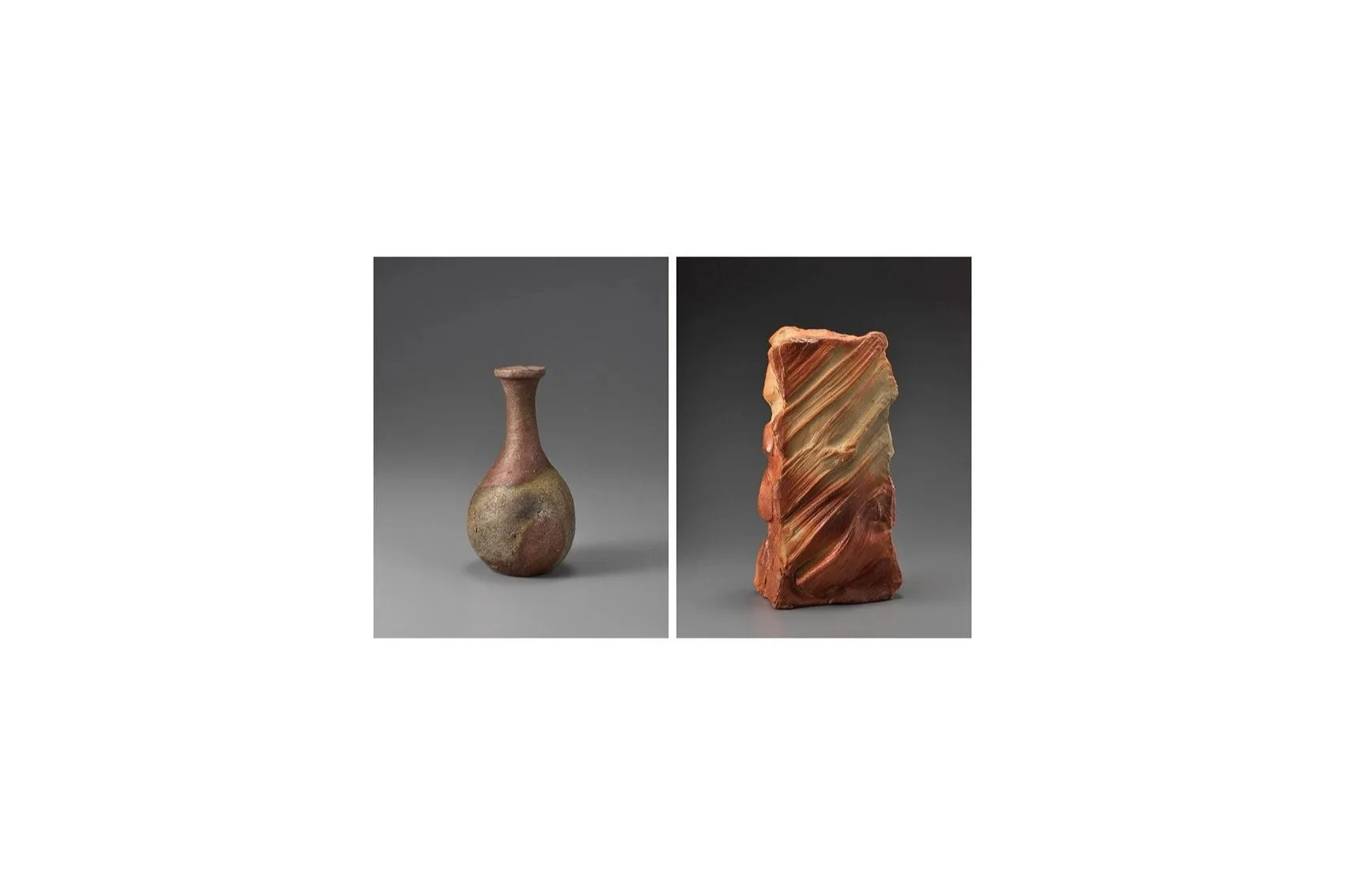
Left: Sake flask named Toshiwasure (“Forgetting Time”), 16-17th century, Fujita Museum, Osaka. Right: Jun Isezaki’s “Wind and Snow” sculpture, 2015, National Crafts Museum, Ishikawa Prefecture.
A matte white porcelain bowl lightly decorated with splashes of multicolor glazes by Ito Hidehito who is celebrated for his contemporary explorations of traditional-based porcelain. Unlike most Arita porcelain ware, Hidehito’s vessels are characterized by a restraint that brings out the beauty of the medium through the thinness of their walls, delicacy of form, elegant glazing and subtle rippled textures that evoke a sense of movement in the natural world. His works have garnered praise from Japanese aficionados and continue to be well represented in galleries and museums worldwide.
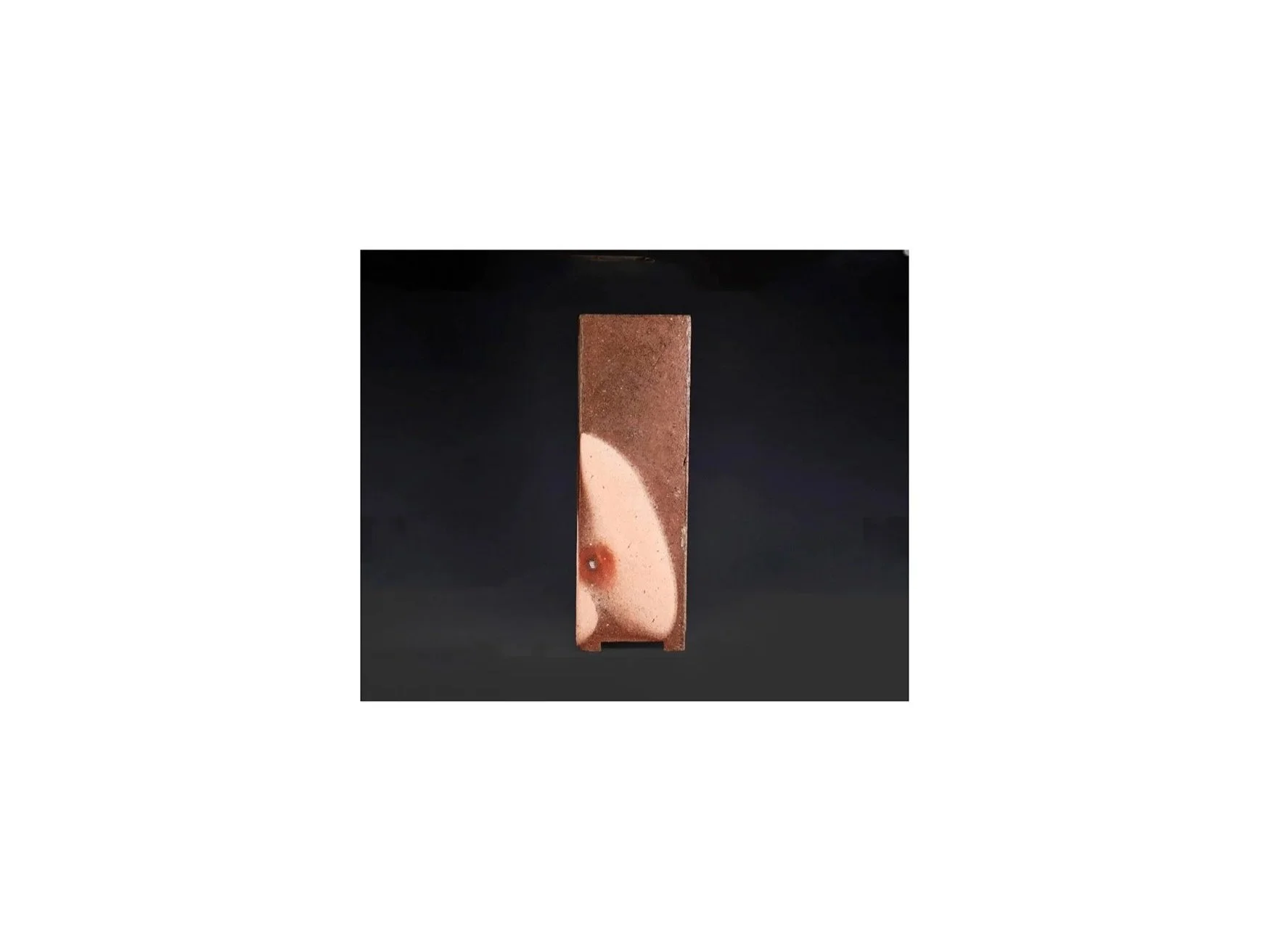
Soft beams of light shines through the thin porcelain walls of this lid rest by Taruta Hiroshi, a rising star in modern porcelain ware. Taruta’s signature style is hotarude, literally meaning “firefly technique” which involves making fine cutouts on a porcelain clay body covered in a translucent glaze. When fired, the glaze melts over the cutouts, creating a vessel that lets in light like the bright pinpricks of fireflies dancing in the dark.
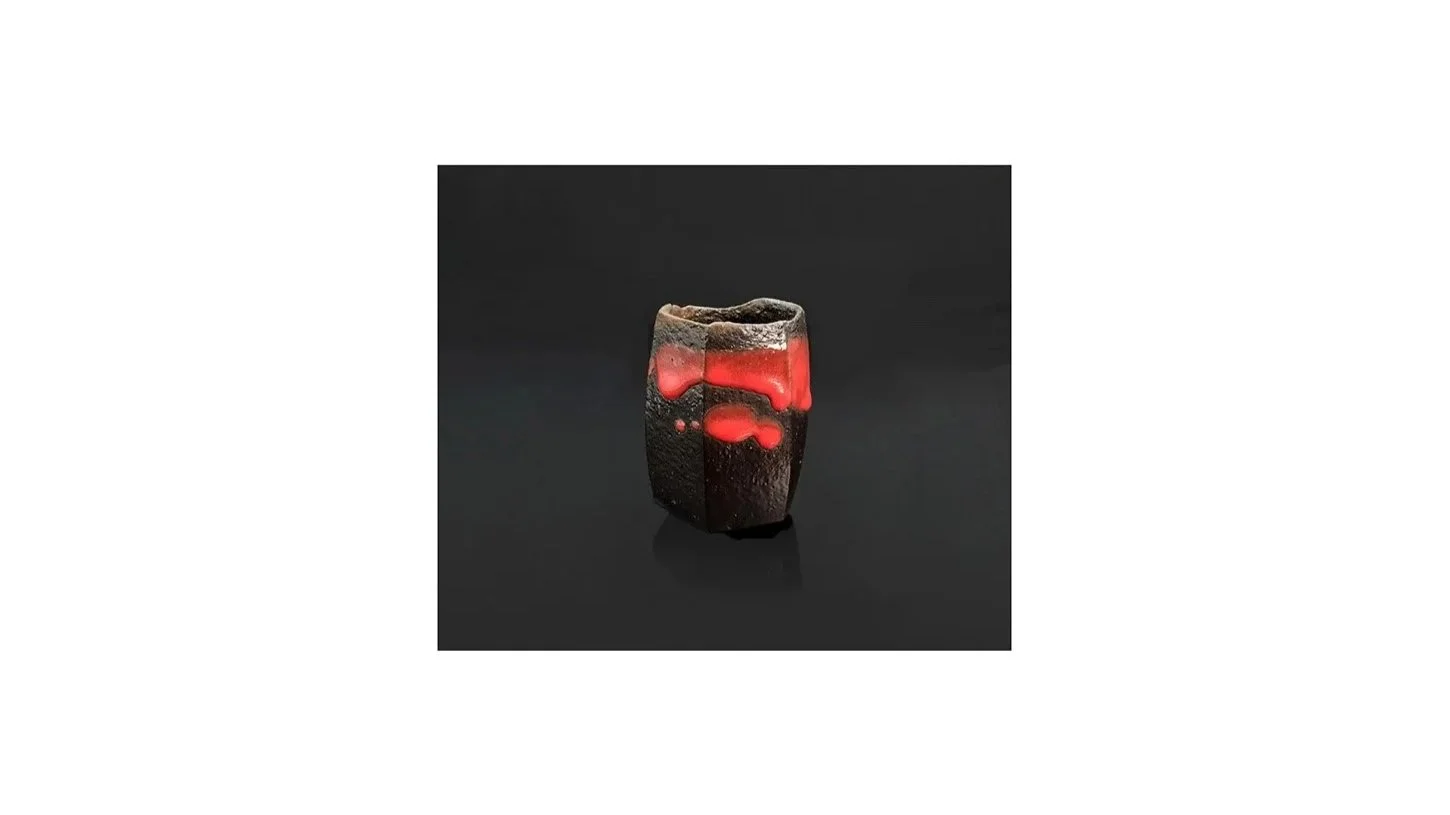
Takenaka Kenji, angular faceted sake cup with vivid red glaze drips, charcoal wood-fired, H 10 cm x W 7 cm.
Another work by Taruta Hiroshi showcasing a different version of his horatude (cut-out) technique. For this asymmetrical tea bowl, the cut outs are applied in a more concealed manner, allowing streaks of light purple to emerge from the wood-firing to blend in with the predominantly white clay body.
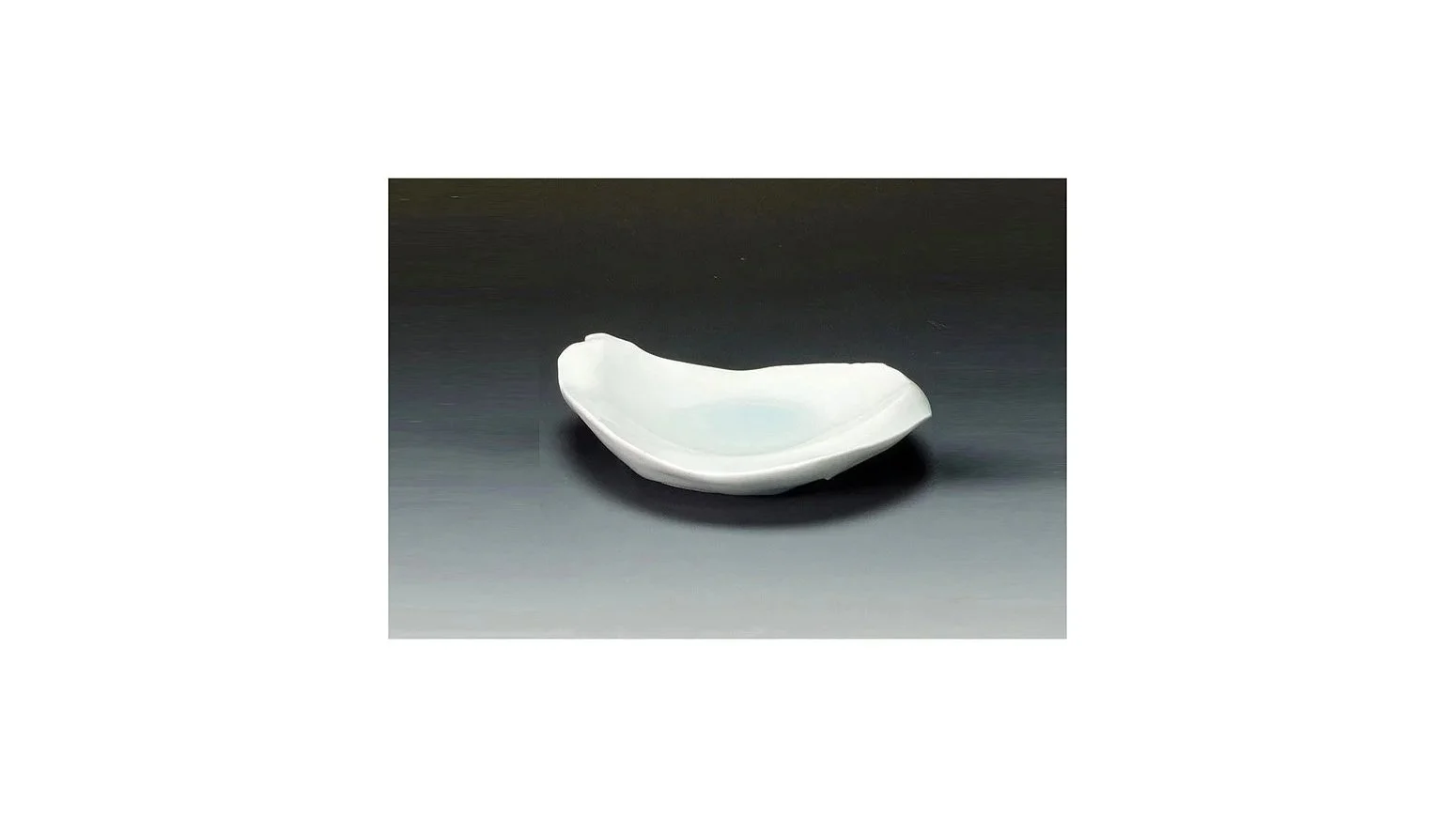
KATO Tsubusa (1962-2025), irregular-shaped dish, hand-carved porcelain clay, pale blue celadon glaze, H 3 cm x W 15 cm.
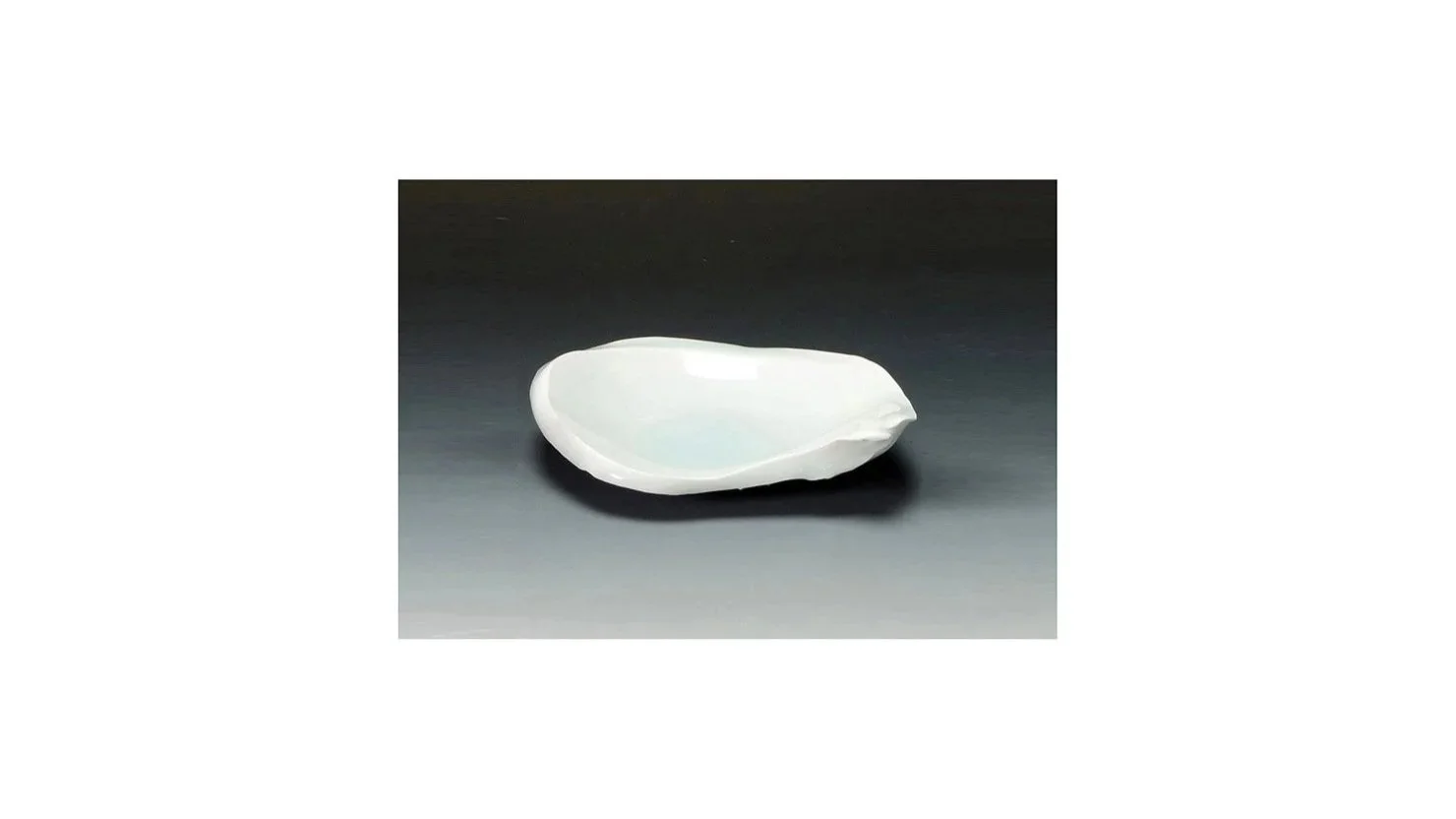
KATO Tsubusa (1962-2025), irregular-shaped dish, hand-carved porcelain clay, pale blue celadon glaze, H 3 cm x W 15 cm.
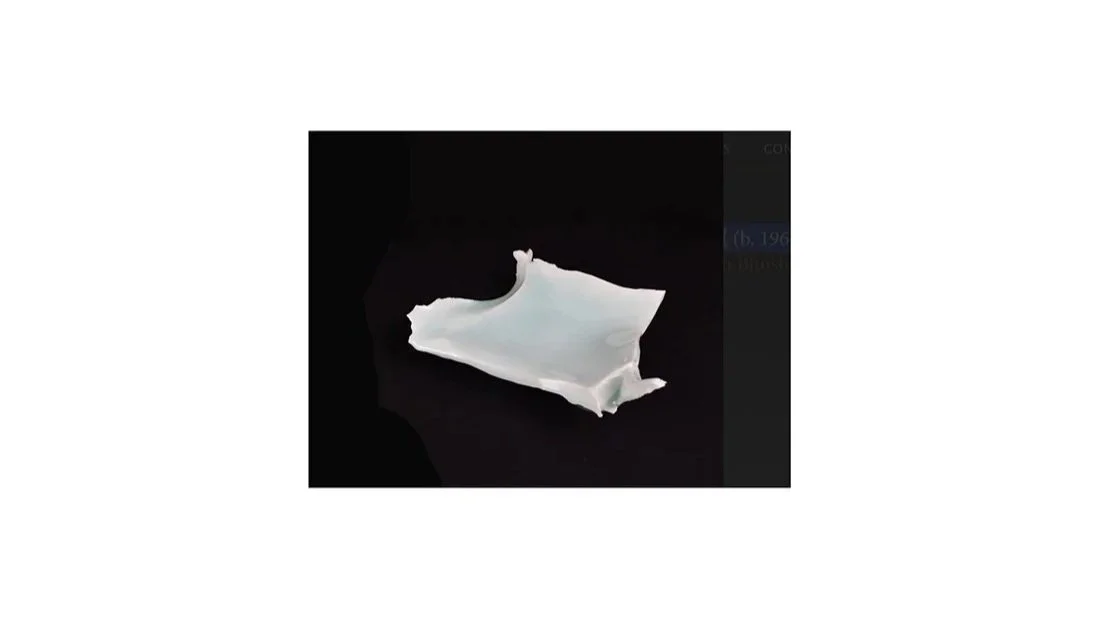
KATO Tsubusa (1962-2025), large plate with jagged edges, porcelain with pale blue celadon glaze, H 7 cm x W 22 cm.
A irregular-shaped dish by the distinguished porcelain master Kato Tsubusa who passed on in 2025. Although Kato was born into a lineage of potter makers with centuries of history, he chose to work in a style that subverts tradition. His pieces feature irregular and often highly jagged edges that stretch the material’s structural limits, pushing porcelain beyond functional use into the realm of abstract sculptures.
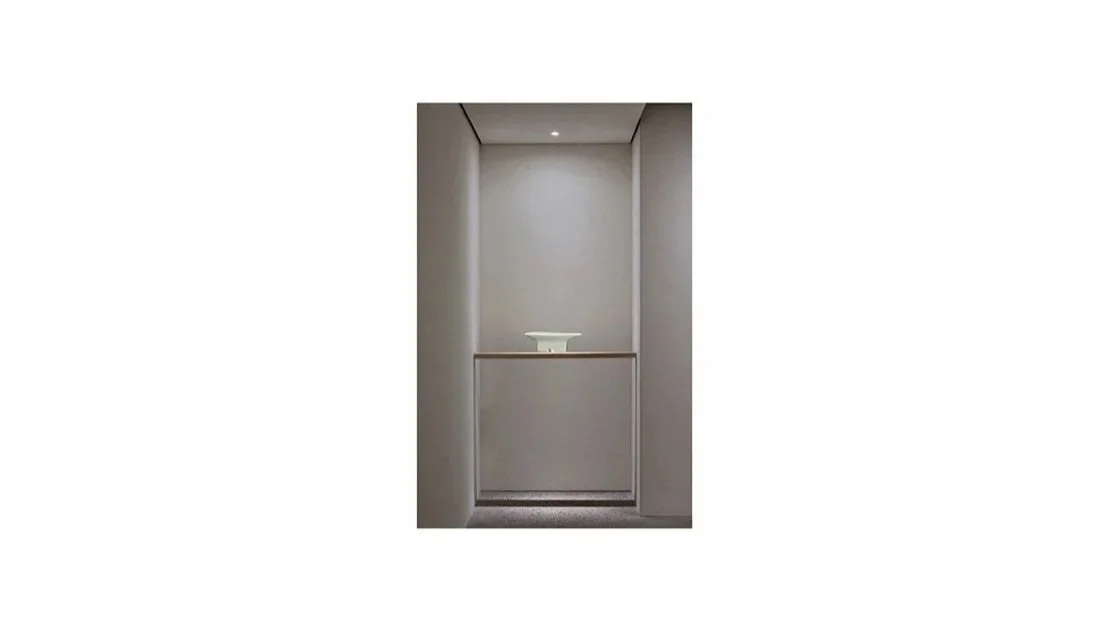
FUKAMI Sueharu (b. 1947), Porcelain ink stand, slip-cast porcelain with seihakuji (bluish-white) glaze, H 4 cm x W 12.5 cm.
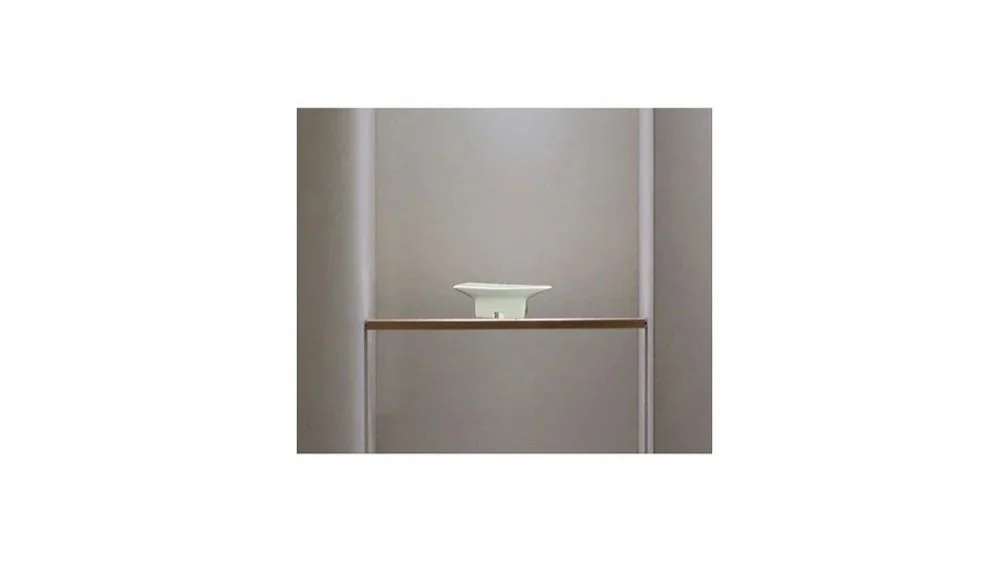
FUKAMI Sueharu (b. 1947), Porcelain ink stand, slip-cast porcelain with seihakuji (bluish-white) glaze, H 4 cm x W 12.5 cm.
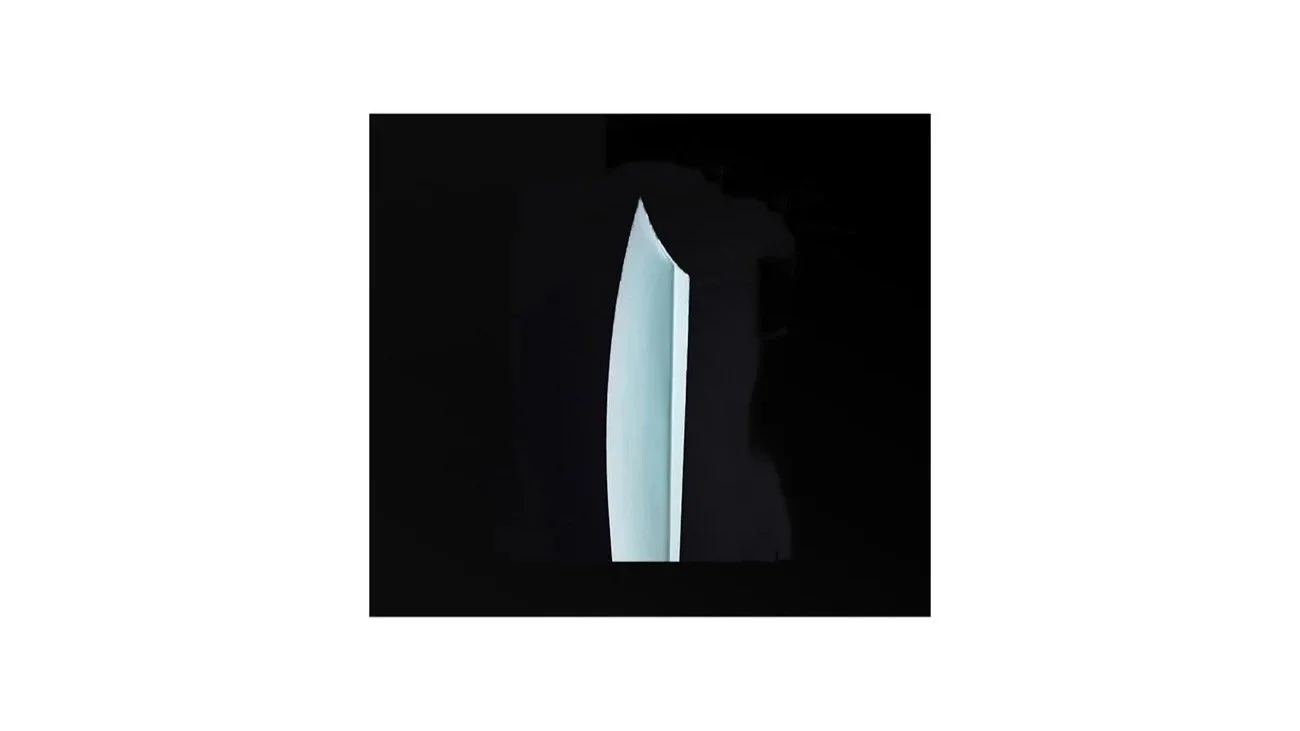
A porcelain ink-stand by Fukami Sueharu who is a master of seihakuji, a bluish-white porcelain glaze which he applies to his minimalist abstract works formed by mold casting. His sculptures are typically large in scale and feature elegant blade-like forms (see next image). This small work is therefore a rare departure from his usual practice. Unlike most potters who desire to leave some marks on their vessels, Fukami takes pains to erase them off his hands, leaving his pieces with pure unblemished surfaces to speak for themselves.
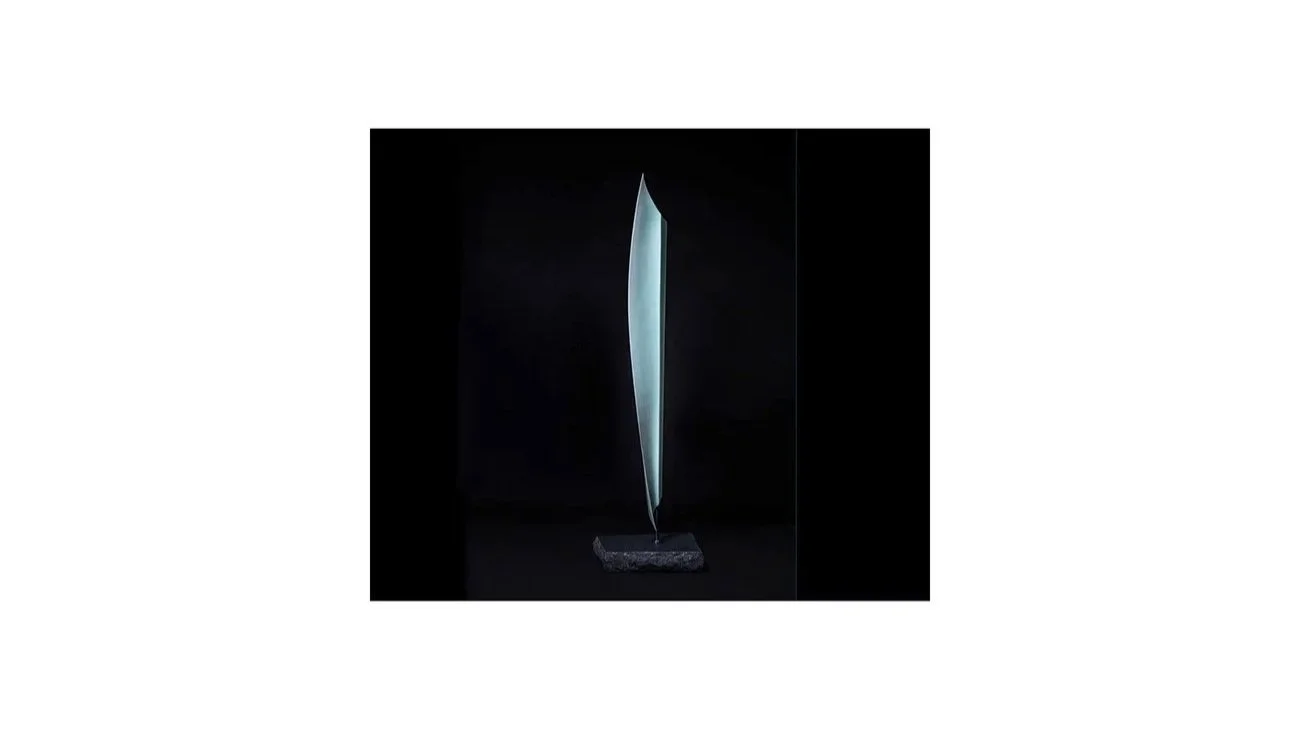
FUKAMI Sueharu (b. 1947), Sculpture titled 'Ko' (Solemn), 2019, slip-cast porcelain with seihakuji glaze, H 177 cm. Private collection.
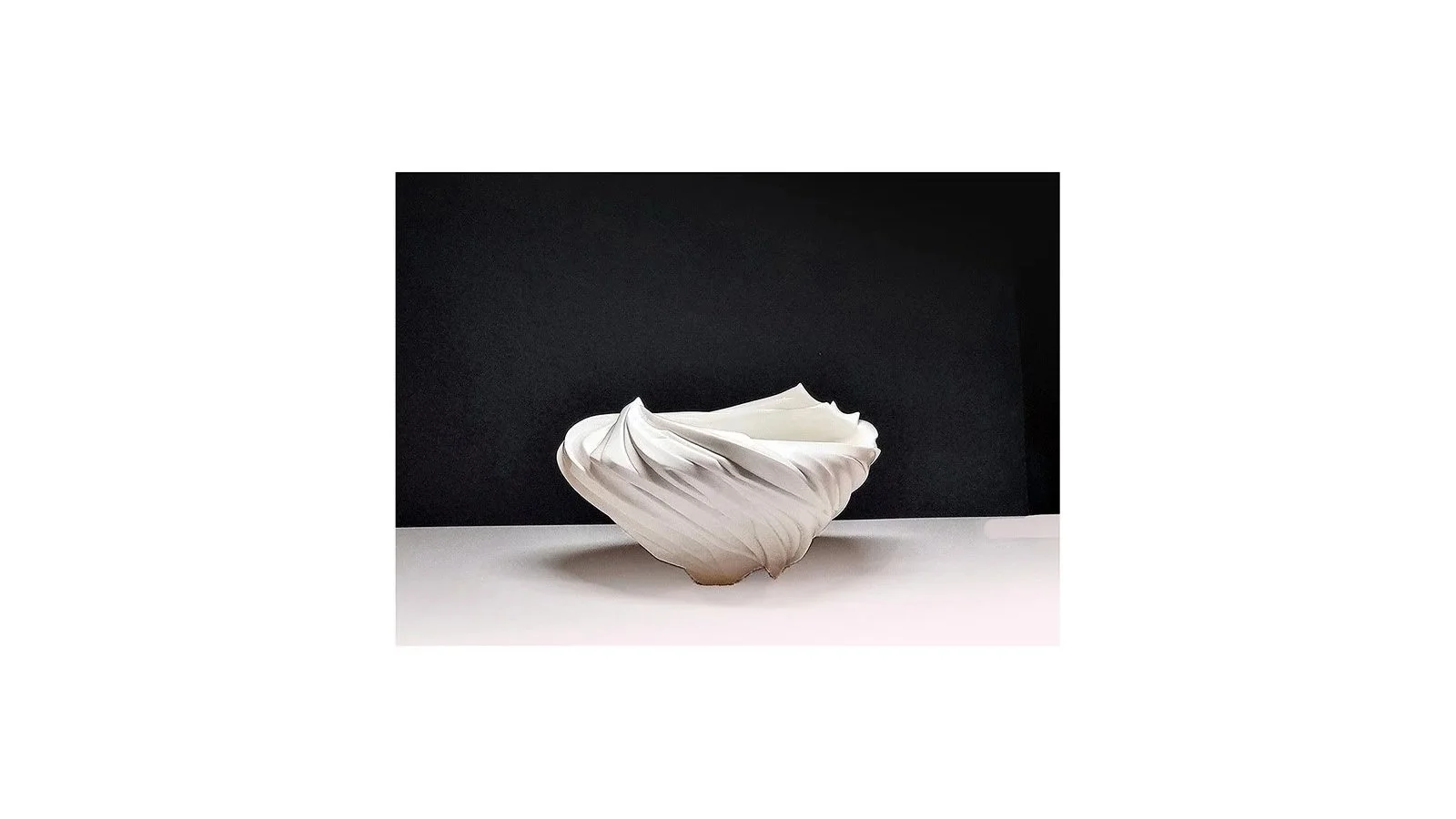
MATSUMURA Jun (b. 1986), Sculptural tea bowl from the Shifting Qualia series, H 8 cm x W 15 cm.
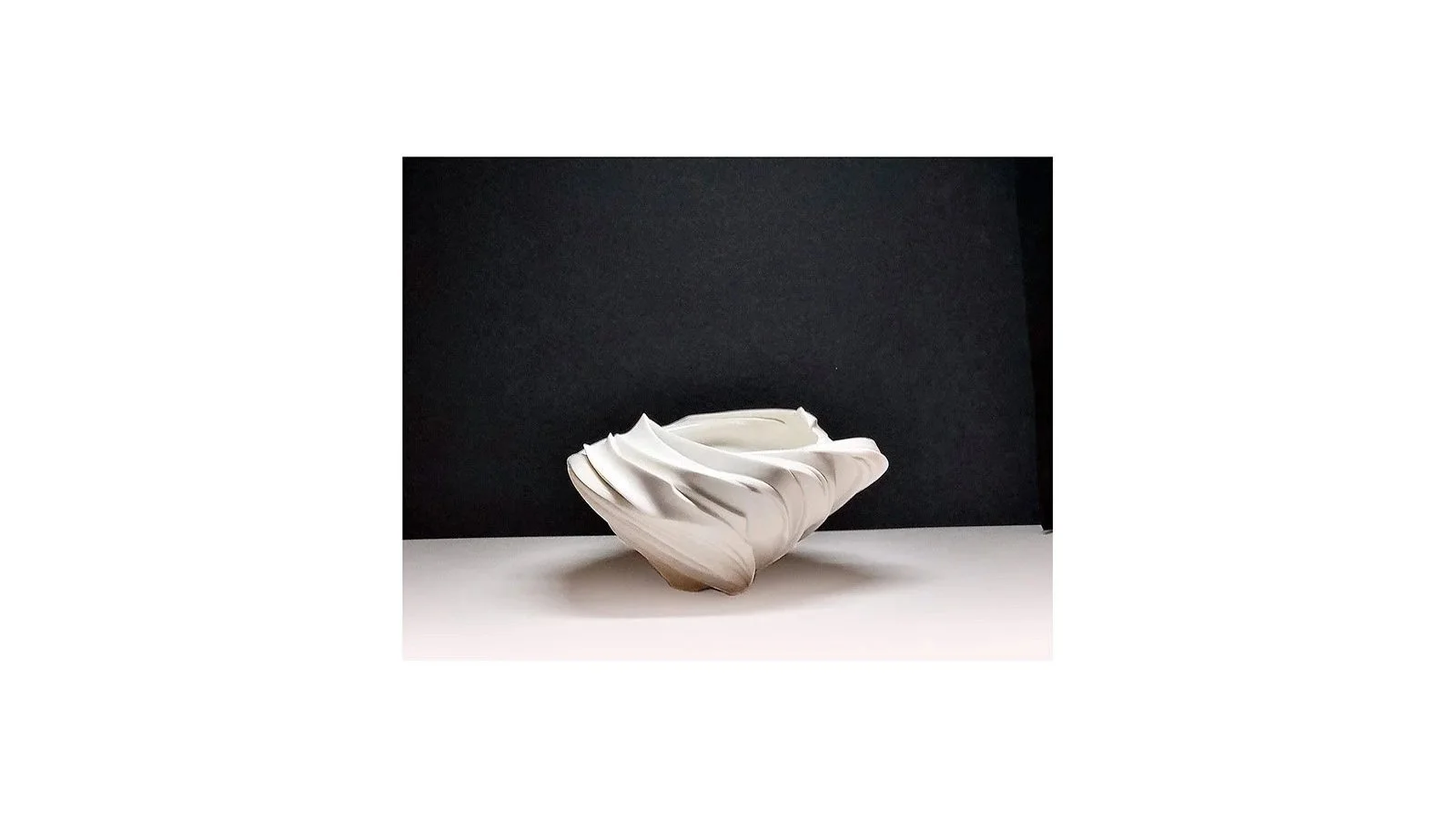
MATSUMURA Jun (b. 1986), Sculptural tea bowl from the Shifting Qualia series, H 8 cm x W 15 cm.
Matsumura Jun is recognized for dynamic porcelain works that test the structural limits of a material that is notoriously fragile in raw form. Some of his vessels feature swirling curves that resemble waves while others sport wing-like forms that soar into the air. His works are only nominally functional; they are works of art that capture the tension between sharpness and fluidity, motion and stillness, fragility and resilience.
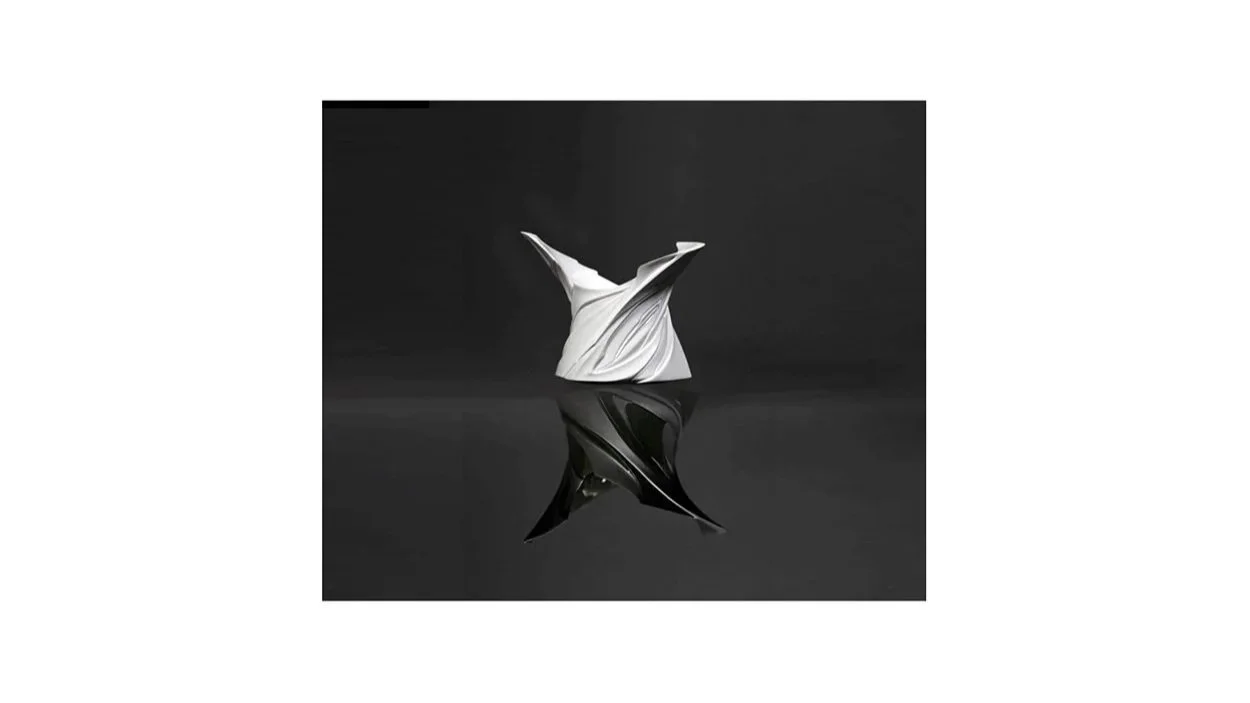
MATSUMURA Jun (b. 1986), Winged vessel from the Phantasmic Qualia series, wheel-thrown and hard-carved porcelain, H 13 cm x W 16.8 cm.
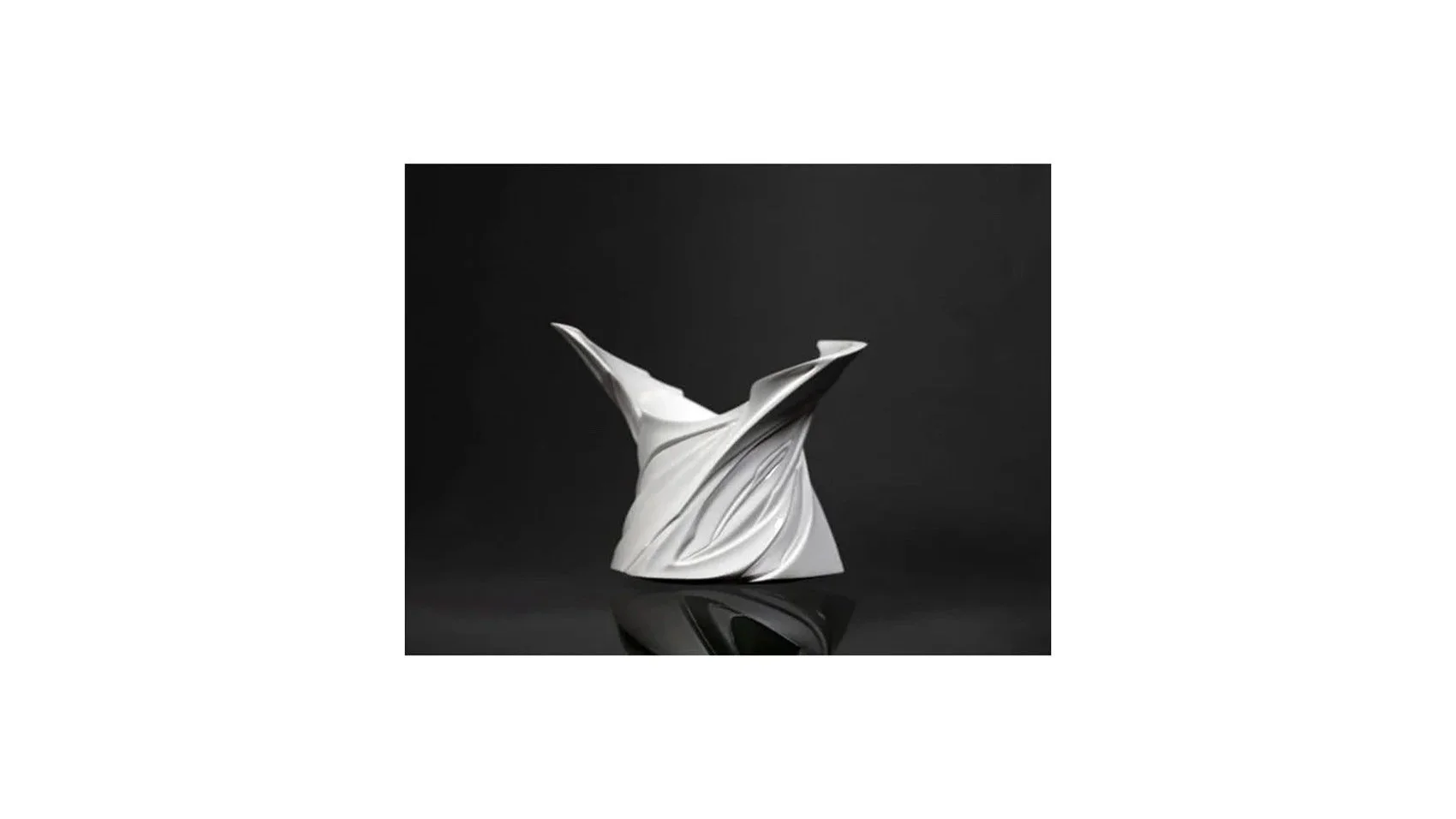
MATSUMURA Jun (b. 1986), Winged vessel from the Phantasmic Qualia series, wheel-thrown and hard-carved porcelain, H 13 cm x W 16.8 cm.
A sculptural tea bowl by Matsumura Jun from his Phantasmic Qualia series, with parts of the rim pulled into soaring wind-like forms.
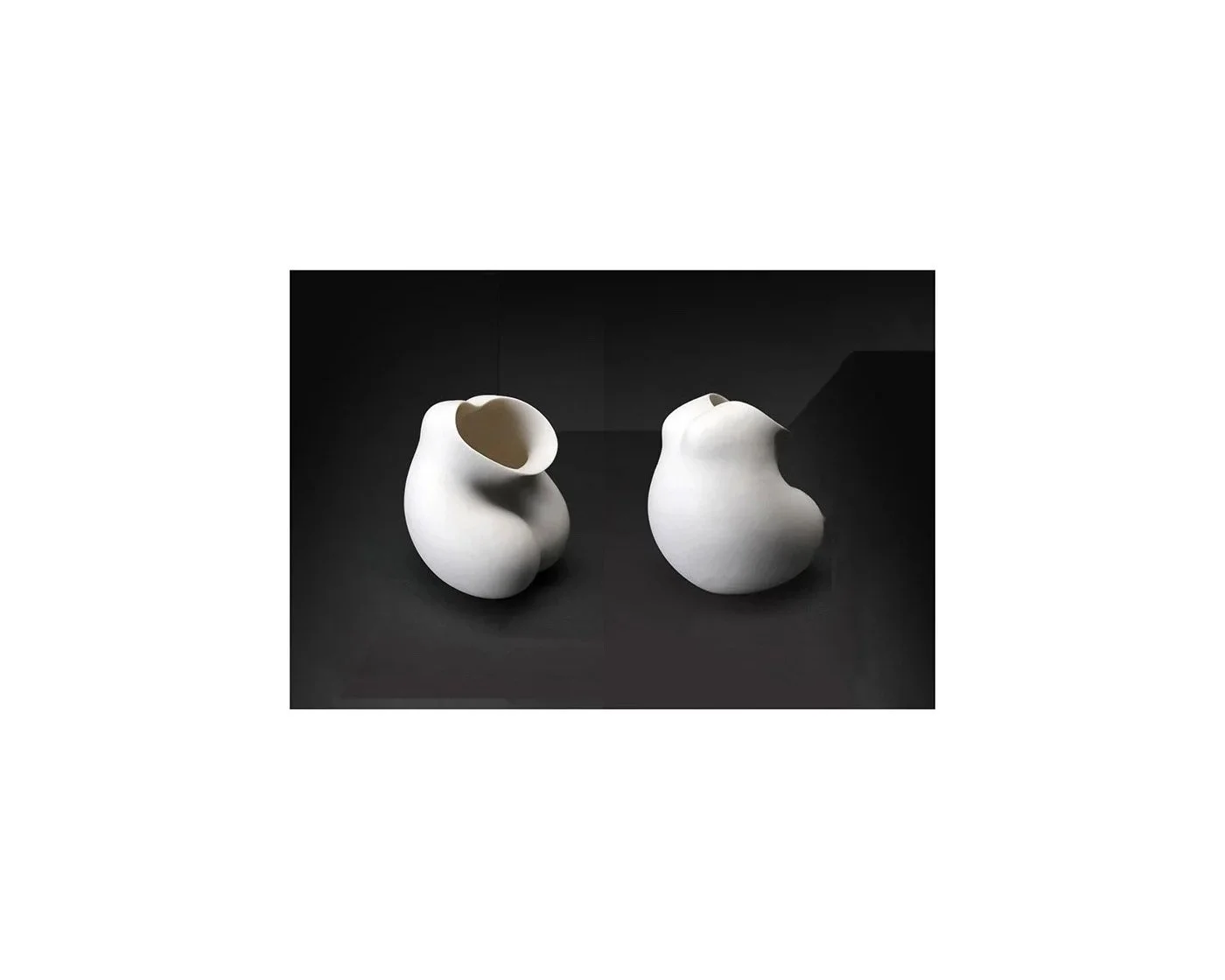
OHE Shiori (b. 1985), Vessel in the form of an abstract nude figure, matte porcelain, H 14 cm x W 12 cm.
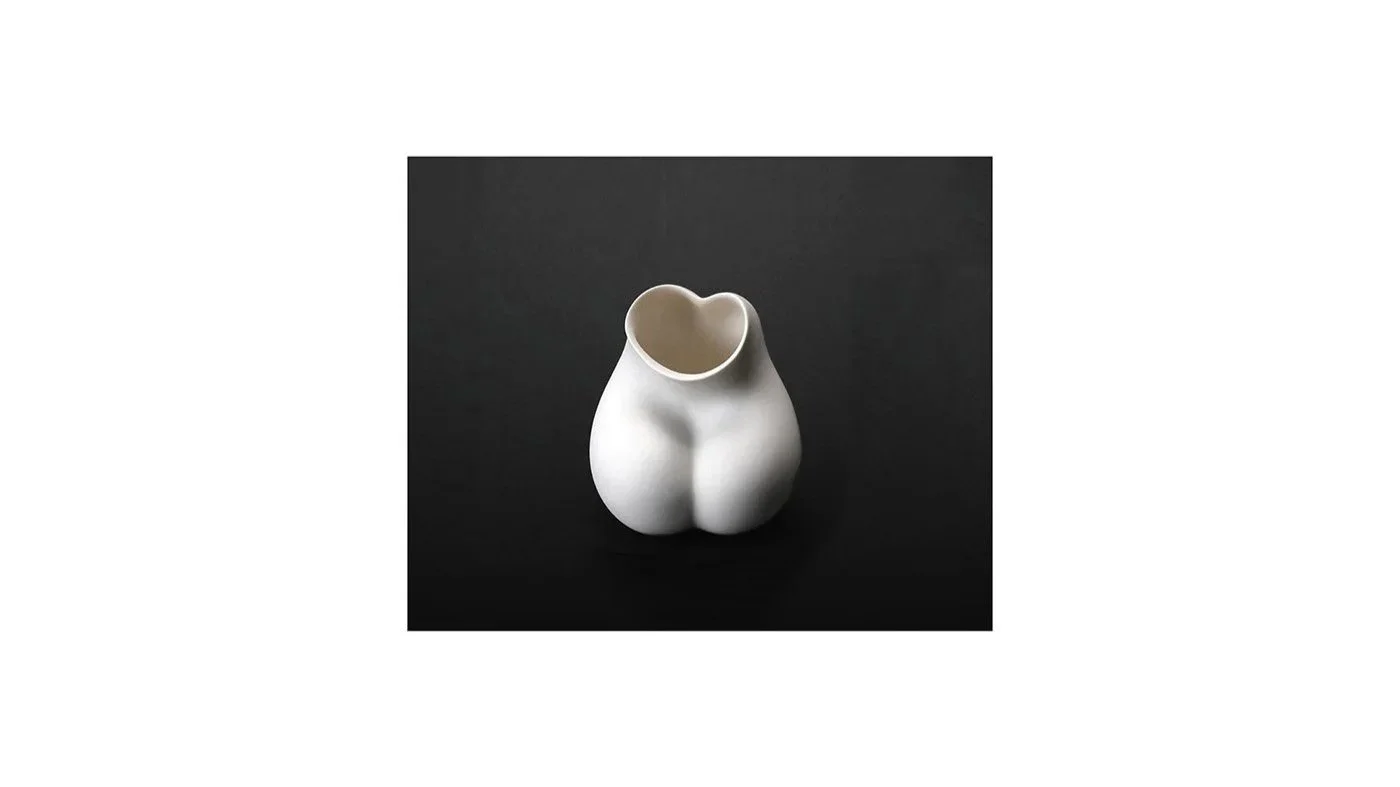
OHE Shiori (b. 1985), Vessel in the form of an abstract nude figure, matte porcelain, H 14 cm x W 12 cm.
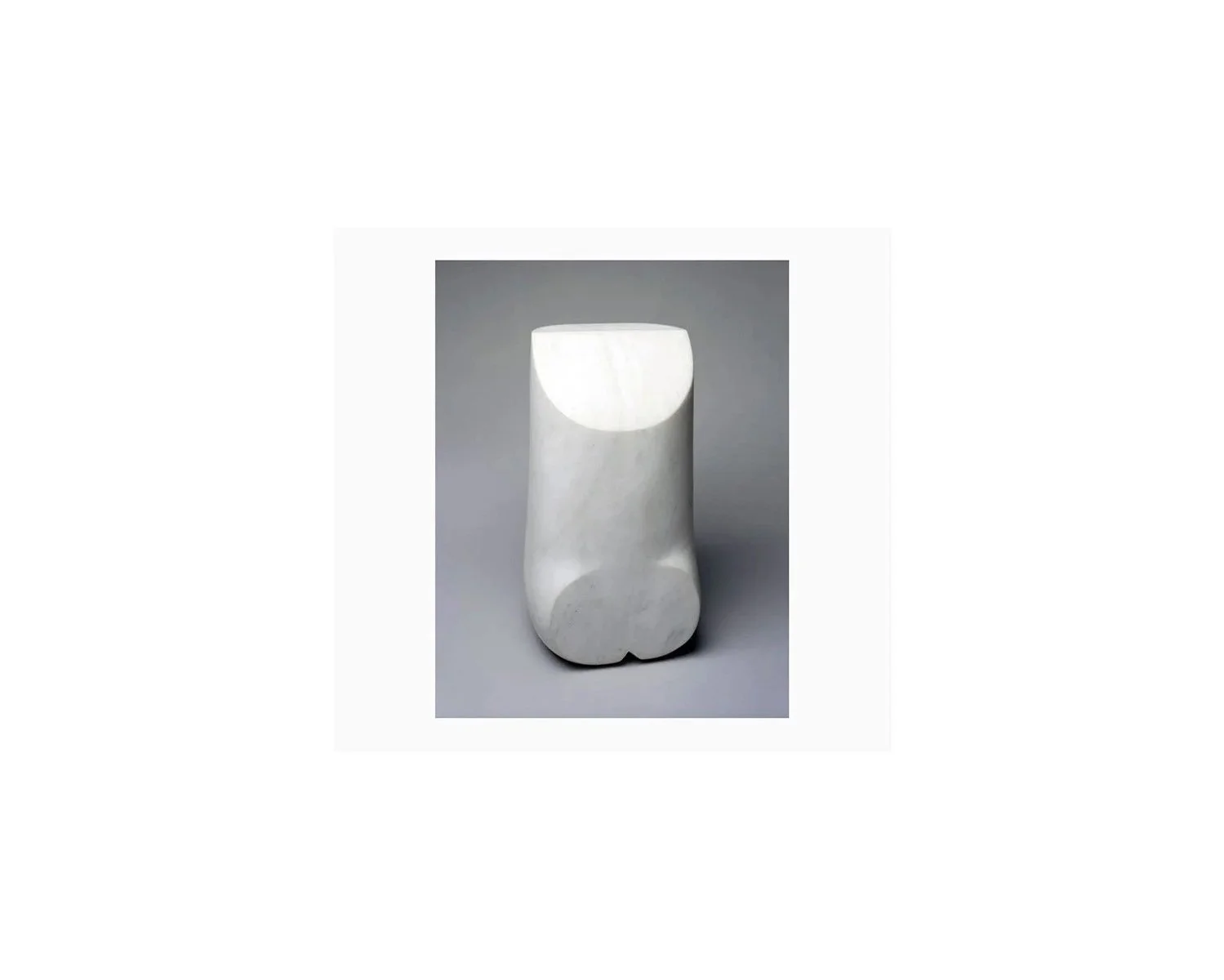
NOGUCHI Isamu (1904-1988), Small torso, marble, late 1950s, H 34 cm, Isamu Noguchi Garden Museum, Japan.
Ohe Shiori is a contemporary Japanese ceramicist known for her whimsical take on functional ceramics. Her porcelain works often feature abstract forms and figures as well as vibrant floral motifs. The piece shown here shares an affinity with ancient Greek marble figures and abstract sculptures by the Japanese American artist-designer, Noguchi Isamu (1904-1988).
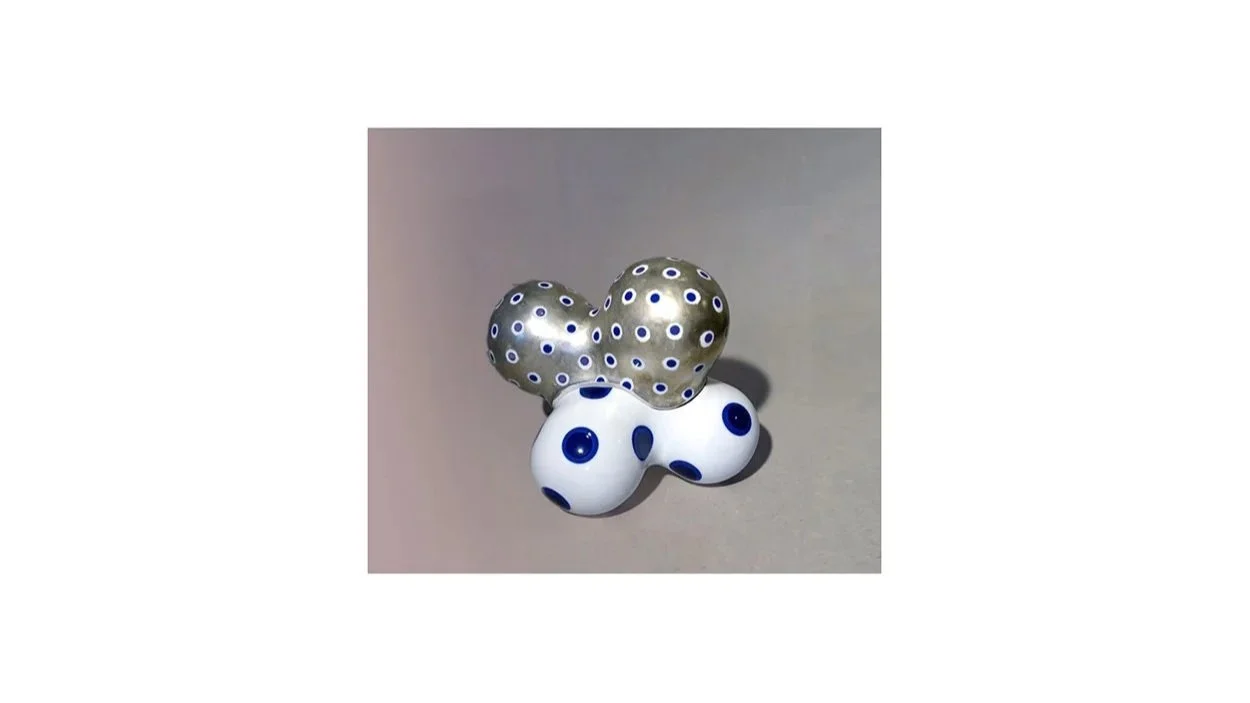
NAKASHIMA Harumi (b. 1950), Sculptural container, white, blue and silver glazed porcelain, H 16 cm x W 13 cm.
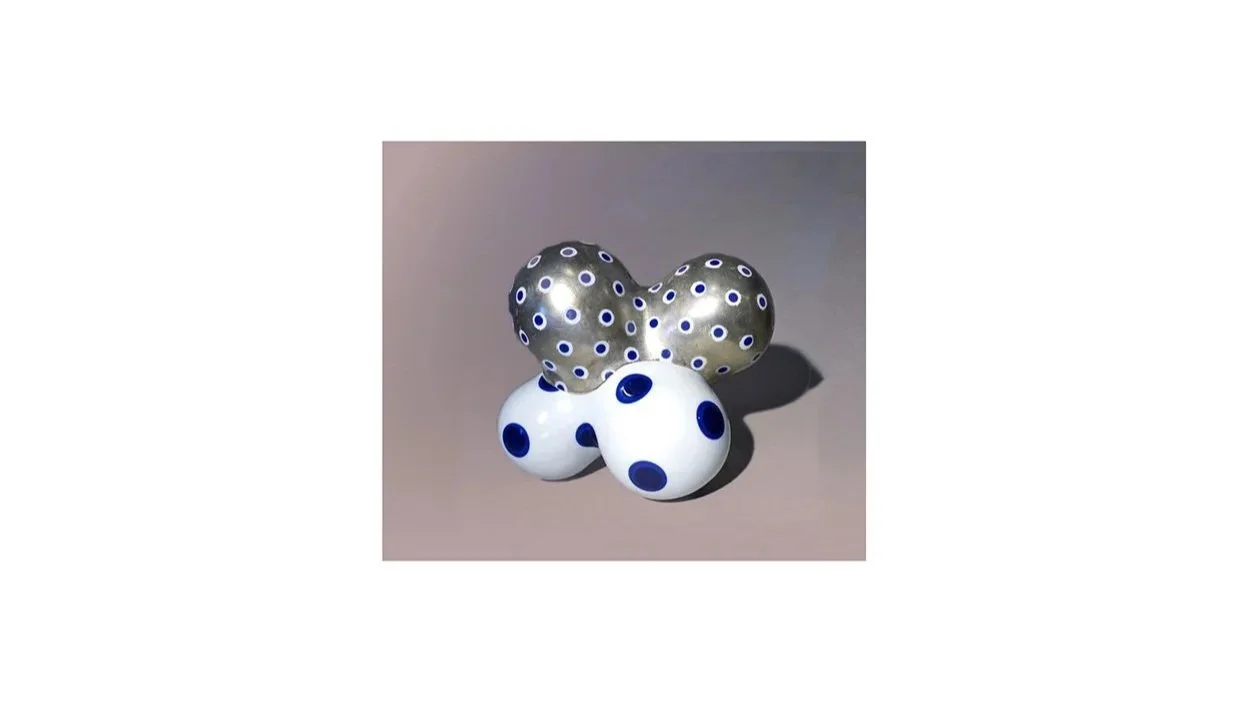
NAKASHIMA Harumi (b. 1950), Sculptural container, white, blue and silver glazed porcelain, H 16 cm x W 13 cm.
Nakashima Harumi is the maverick of the Japanese ceramics world. His mostly non-functional work features stacked balls of white porcelain playfully decorated with blue polka dots. Nakashima’s avant-garde style is heavily influenced by the Sodeisha Movement (1948-98) which championed ceramics as a medium of sculpture rather than function. His works are popular the world over and are collected by leading museums in Japan and overseas.
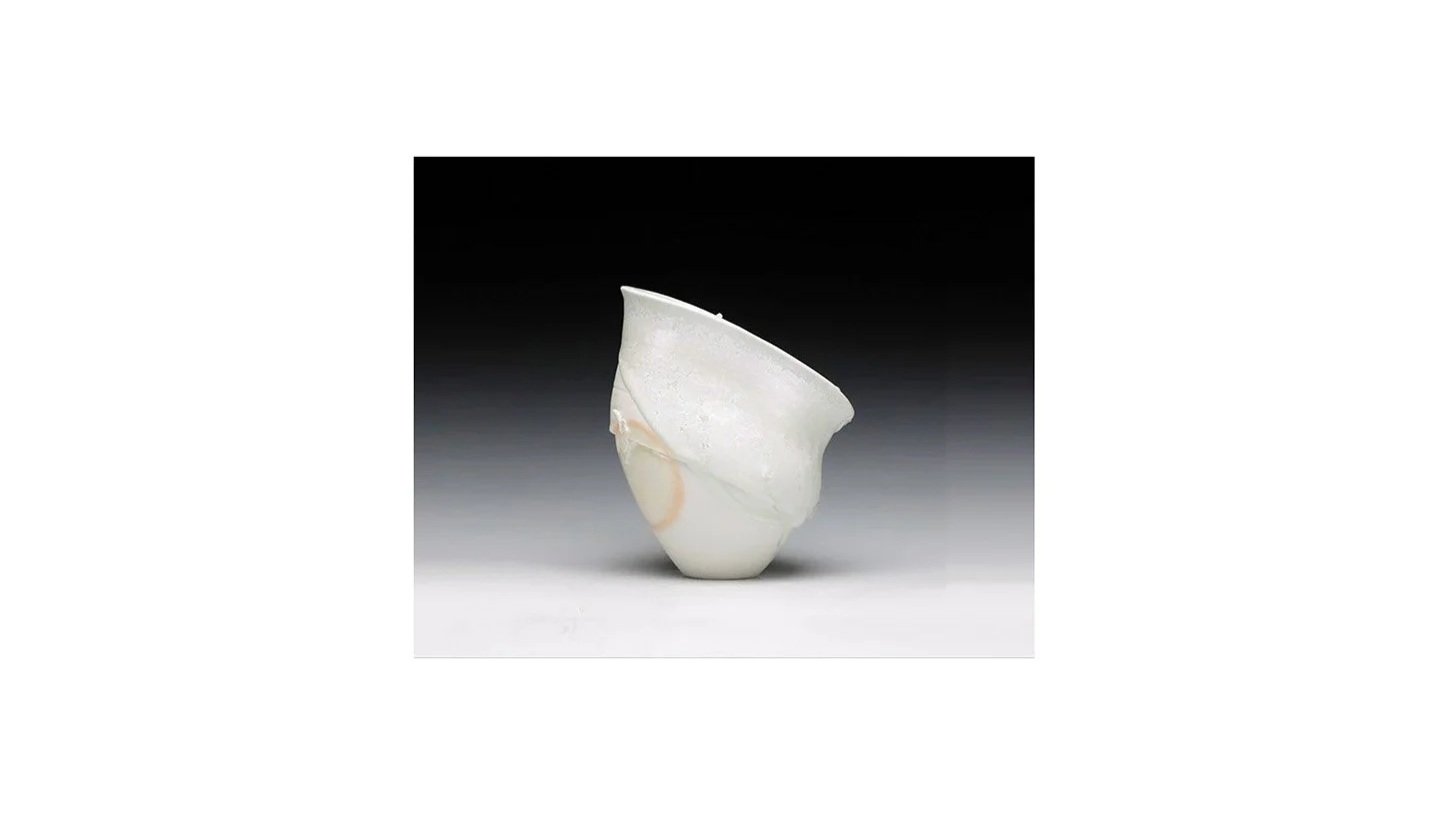
KATO Mami (b. 1963), Sculptural vase, hand-built porcelain slabs, gas-fired, H 19 cm x W 14 cm.
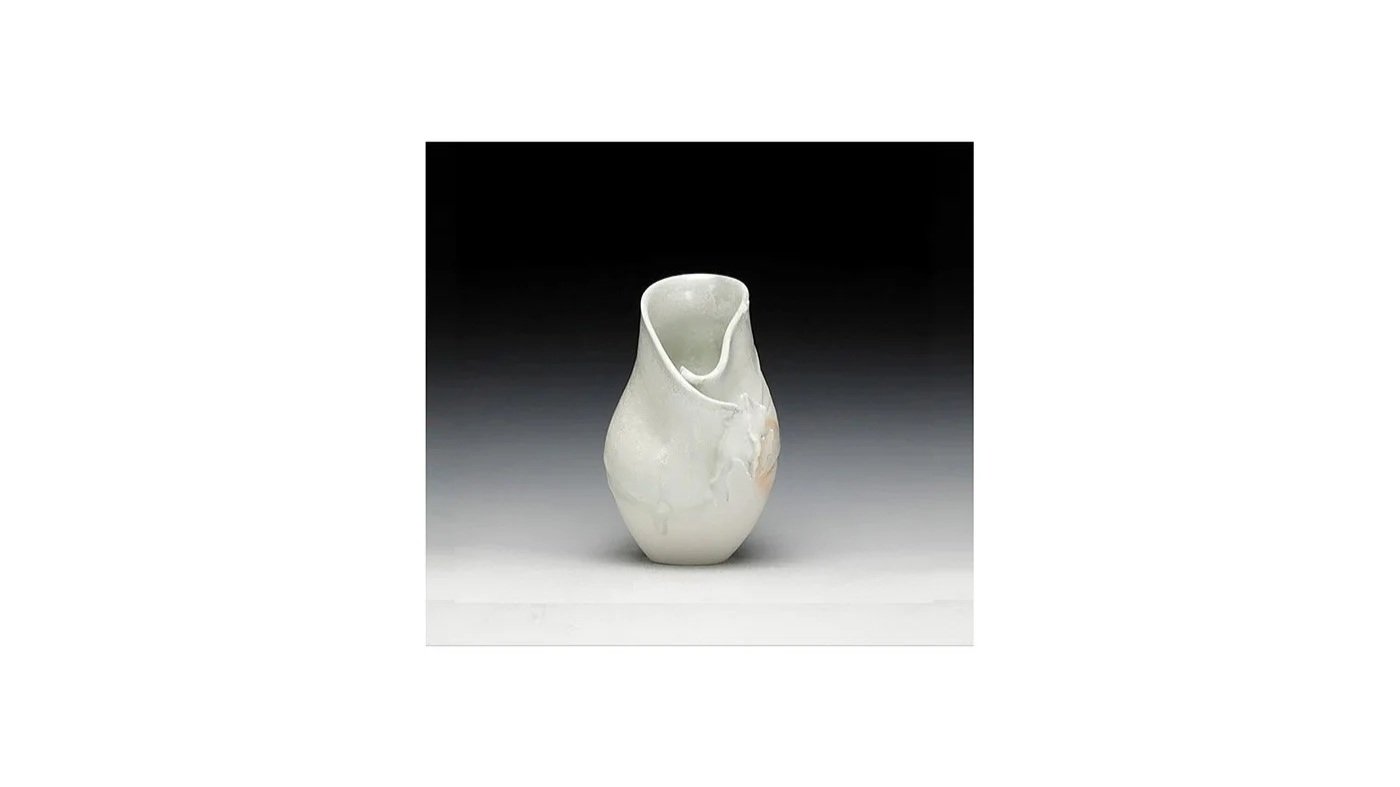
KATO Mami (b. 1963), Sculptural vase, hand-built porcelain slabs, gas-fired, H 19 cm x W 14 cm.
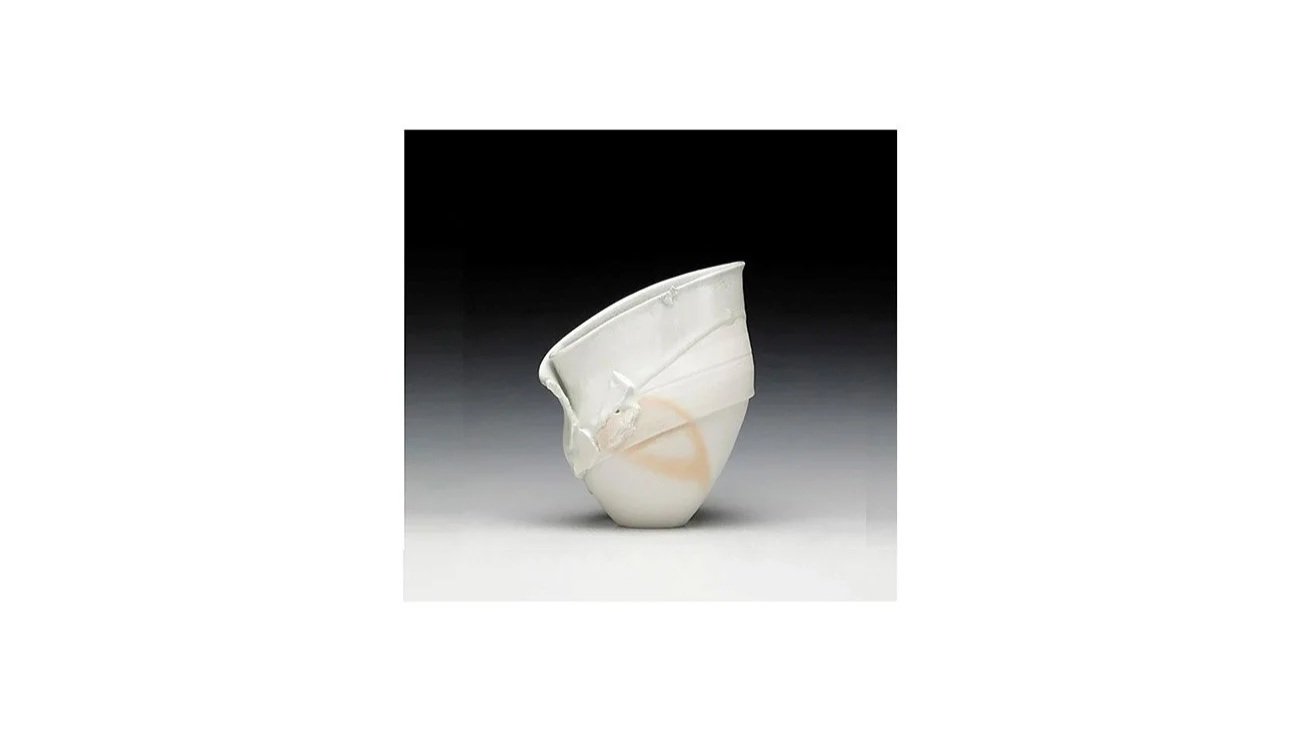
KATO Mami (b. 1963), Sculptural vase, hand-built porcelain slabs, gas-fired, H 19 cm x W 14 cm.
A slab-built sculptural vase by award-winning potter, Kato Mami showing her signature “frost glaze” texture. Kato fires her vessels in a gas-kiln under controlled reduction until they acquire the luminous, icy blue and crackled textures that emulate frozen lakes and glacial meltwater. Kato’s achievements have been recognized across Japan. She won first prize at the Shoroku Chawan Competition in 2015, the first woman to win this coveted award in 24 years.
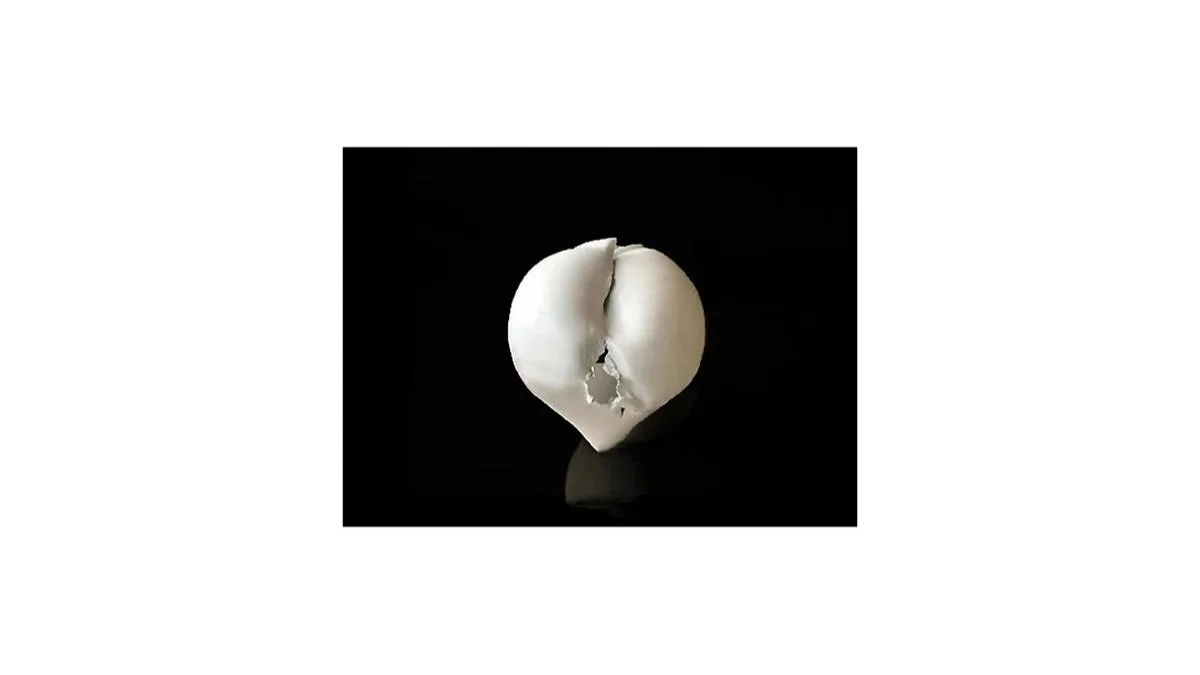
MURATA Takuya (b. 1982), Torn vessel, white porcelain, wheel-thrown and hand-shaped, H 17 cm x W 16 cm.
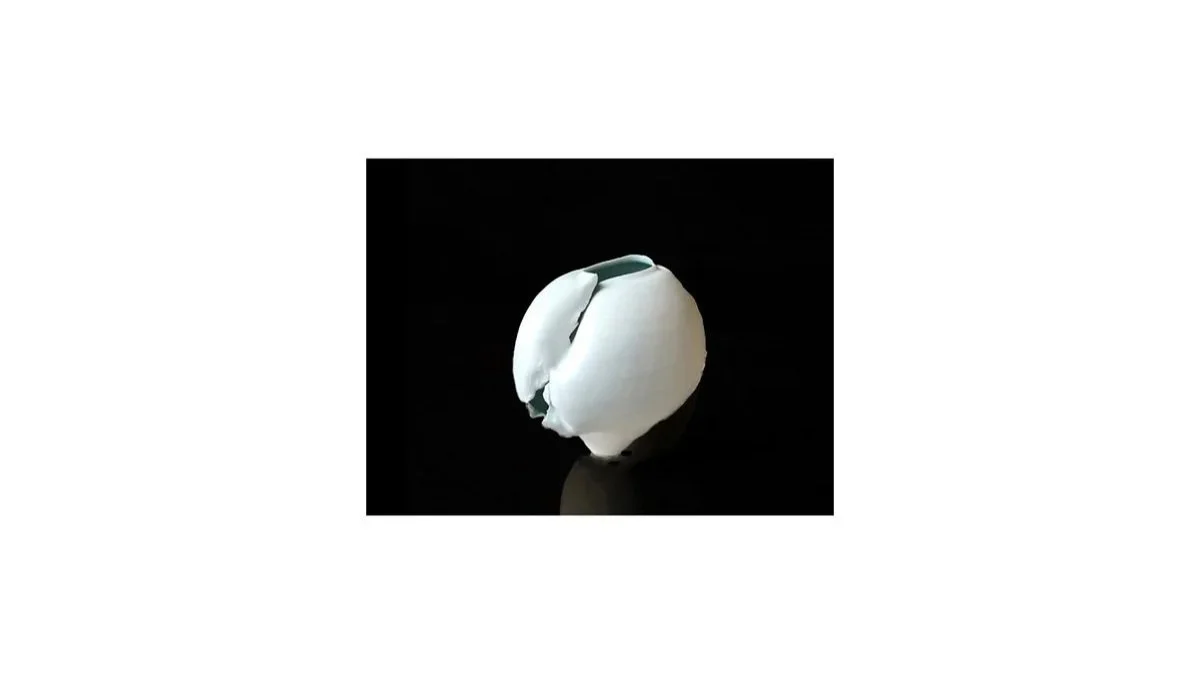
MURATA Takuya (b. 1982), Torn vessel, white porcelain, wheel-thrown and hand-shaped, H 17 cm x W 16 cm.
A tenth-generation ceramicist, Murata Takuya has spent more than two decades refining his sophisticated approach to porcelain. He shapes and wheel-throws his works by hand and imbues them with color using carefully calibrated mixtures of minerals and tree ash. In search of sheer perfection, he often makes several iterations of each vessel he creates, discarding all but the finest examples. His functional and sculptural pieces are characterized by elegant silhouettes, torn surfaces and flared edges that blend Eastern poetics with modern abstraction.
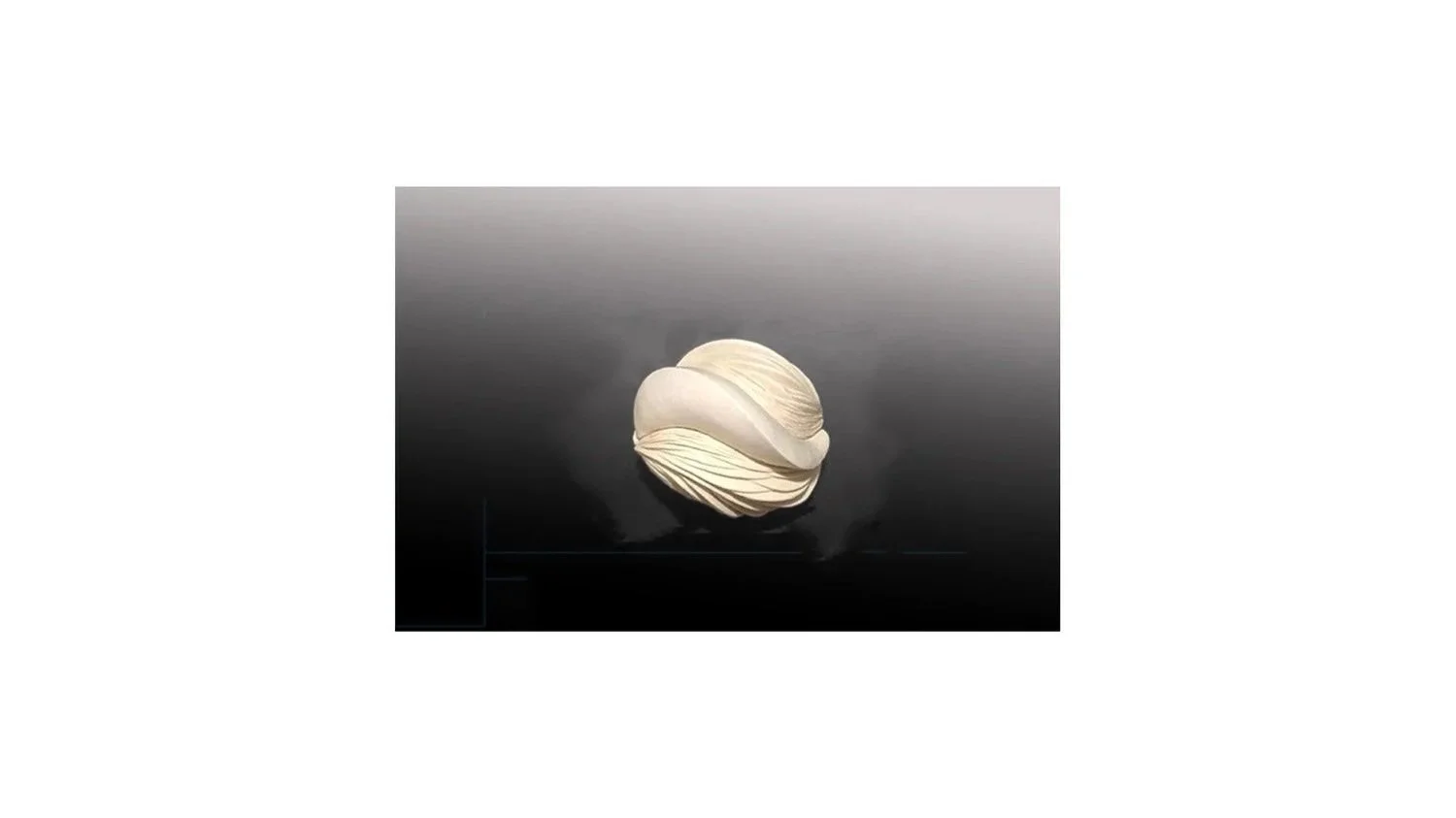
TANAKA Tomomi (b. 1983), Container titled, ‘Little Dream,’ porcelaneous stoneware, H 6.4 cm x W 7.5 cm.
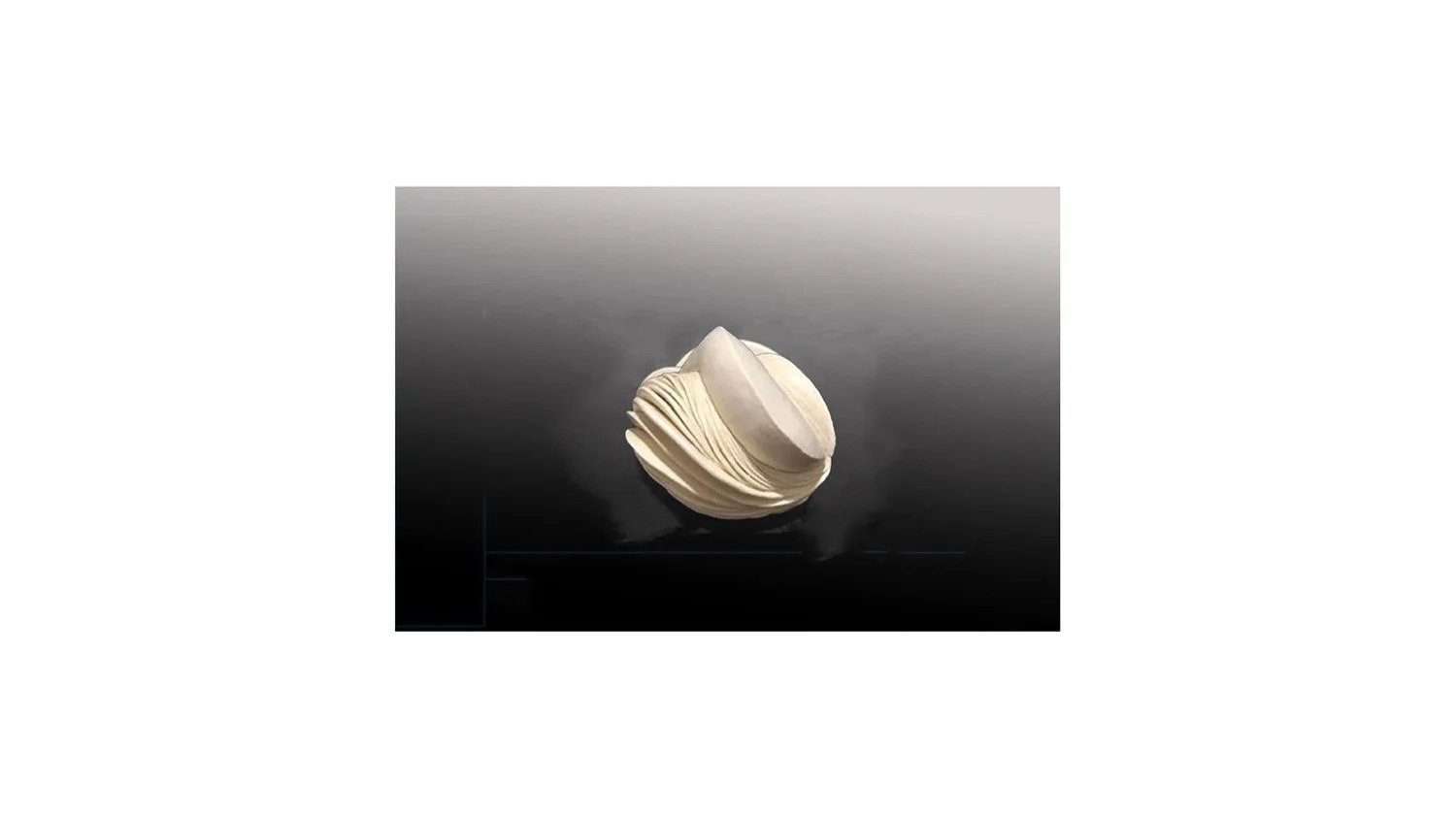
TANAKA Tomomi (b. 1983), Container titled, ‘Little Dream,’ porcelaneous stoneware, H 6.4 cm x W 7.5 cm.
Tanaka Tomomi makes highly organic works are reminiscent of petals, fruits, and seeds. Her pieces are formed by layering very fine strips of clay called lamellas over a central core, then firing them in an electric kiln in a highly precise manner to prevent cracking or warping. Due to labor-intensive nature of her craft, Tomomi’s yearly output is small and her works are highly sought after by collectors and museums. Major institutions that hold her works include the Japan Foundation and the Ibaraki Ceramic Art Museum. Tanaka was featured as a leading contemporary woman ceramicist in Radical Clay (2023) published by the Art Institute of Chicago.
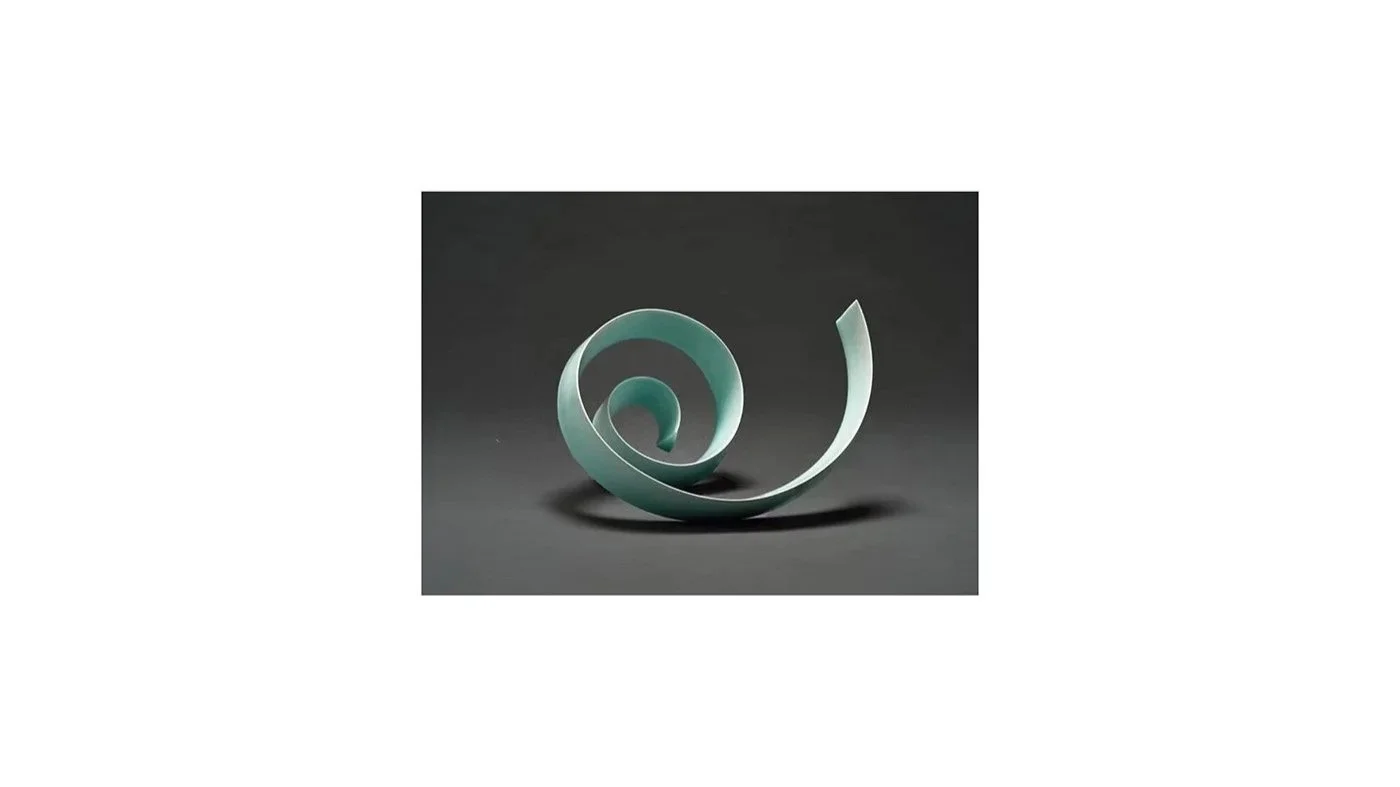
KINO Satoshi (b. 1987), Spiral Form, 2015, porcelain with celadon glaze, H 34 cm x W 50 cm, Museum of Ceramic Art, Hyogo, Japan.
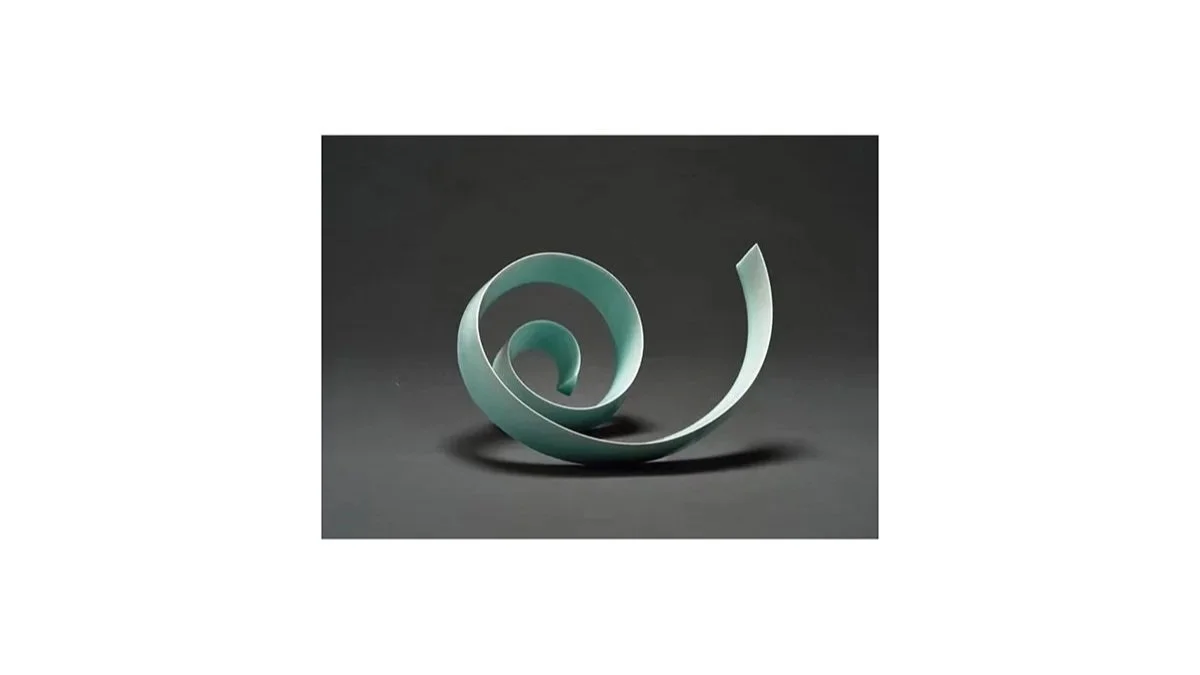
KINO Satoshi (b. 1987), Spiral Form, 2015, porcelain with celadon glaze, H 34 cm x W 50 cm, Museum of Ceramic Art, Hyogo, Japan.
Originally interested in pursuing a career as a stone sculptor, Kino Satoshi encountered the powerful sculptural ceramics of Nishida Jun (1977-2005) in a retrospective exhibition and pivoted to ceramics. His abstract porcelain sculptures - resembling long, billowing ribbons of celadon-glazed porcelain - are formed on the wheel through a process of shaving bands of porcelain clay into segments, then manually transforming these thin, attenuated sections into spiral structures that seem to flow into the surrounding space.
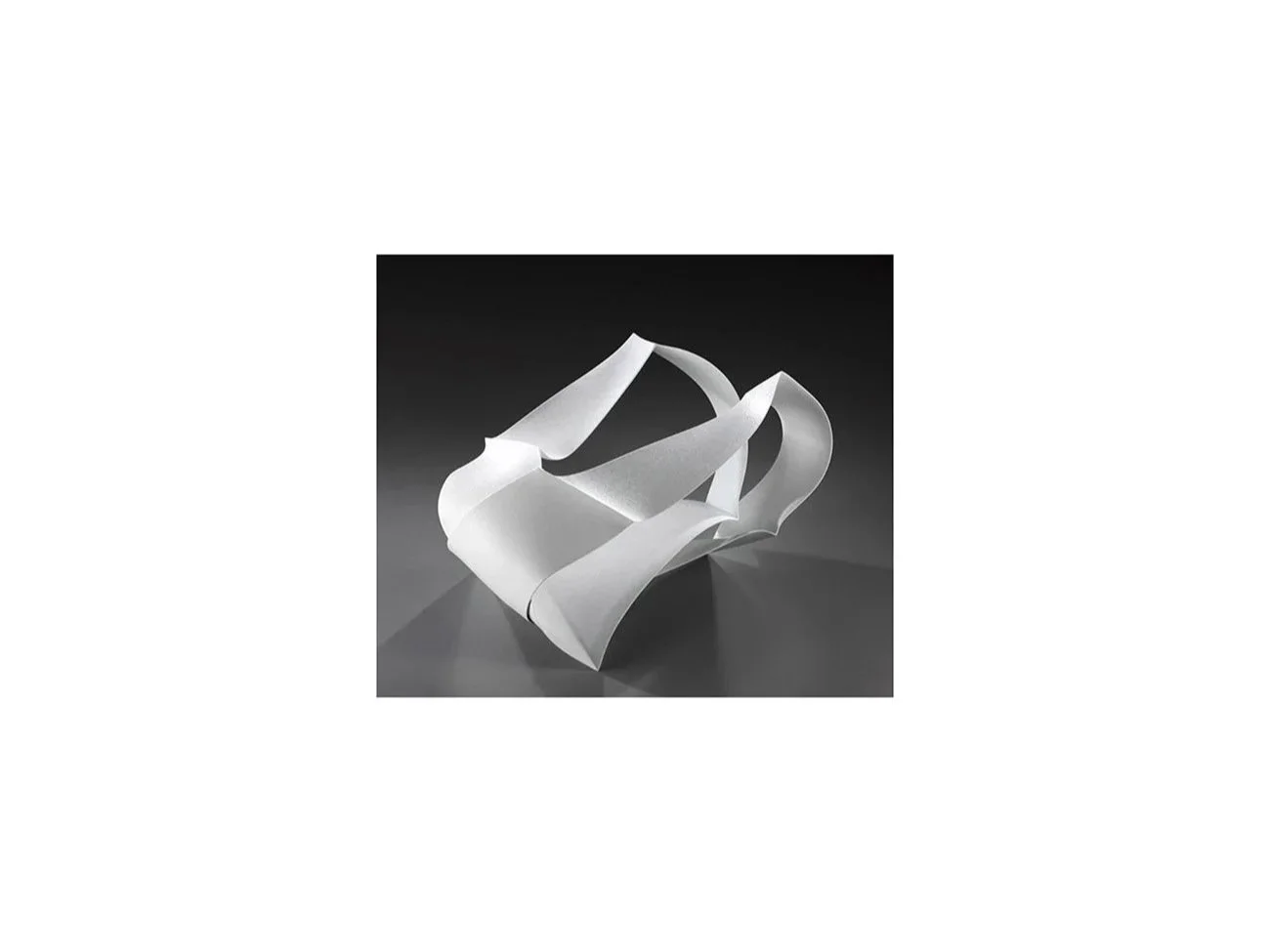
SHIGEKAZU Nagae (b. 1953), Untitled sculpture, glaze porcelain, slip-casting technique, H 30 cm x W 50 cm
Born in Aichi Prefecture, Shigekazu Nagae is celebrated for twisted shape sculptures defined by razor-thin curved silhouettes that evoke the movement of paper or wind. A multiple award winner, his demanding works are held in public collections such as the Victoria & Albert Museum, London and the Los Angeles County Museum.
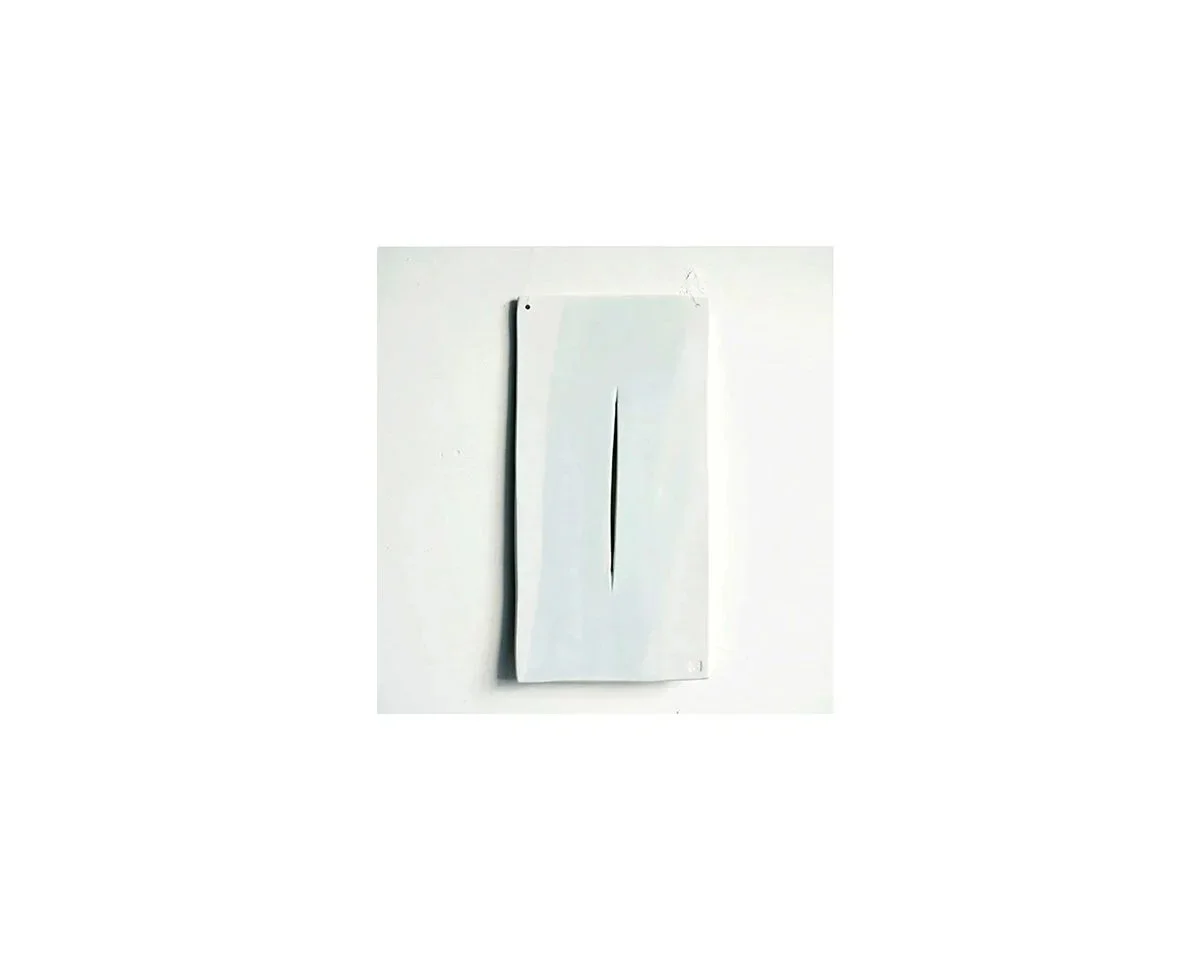
TARUTA Hiroshi (b. 1987), Wall hanging piece titled 'A Line of Light', Hotarude technique, bluish-white porcelain, W 27cm x L 27 cm.
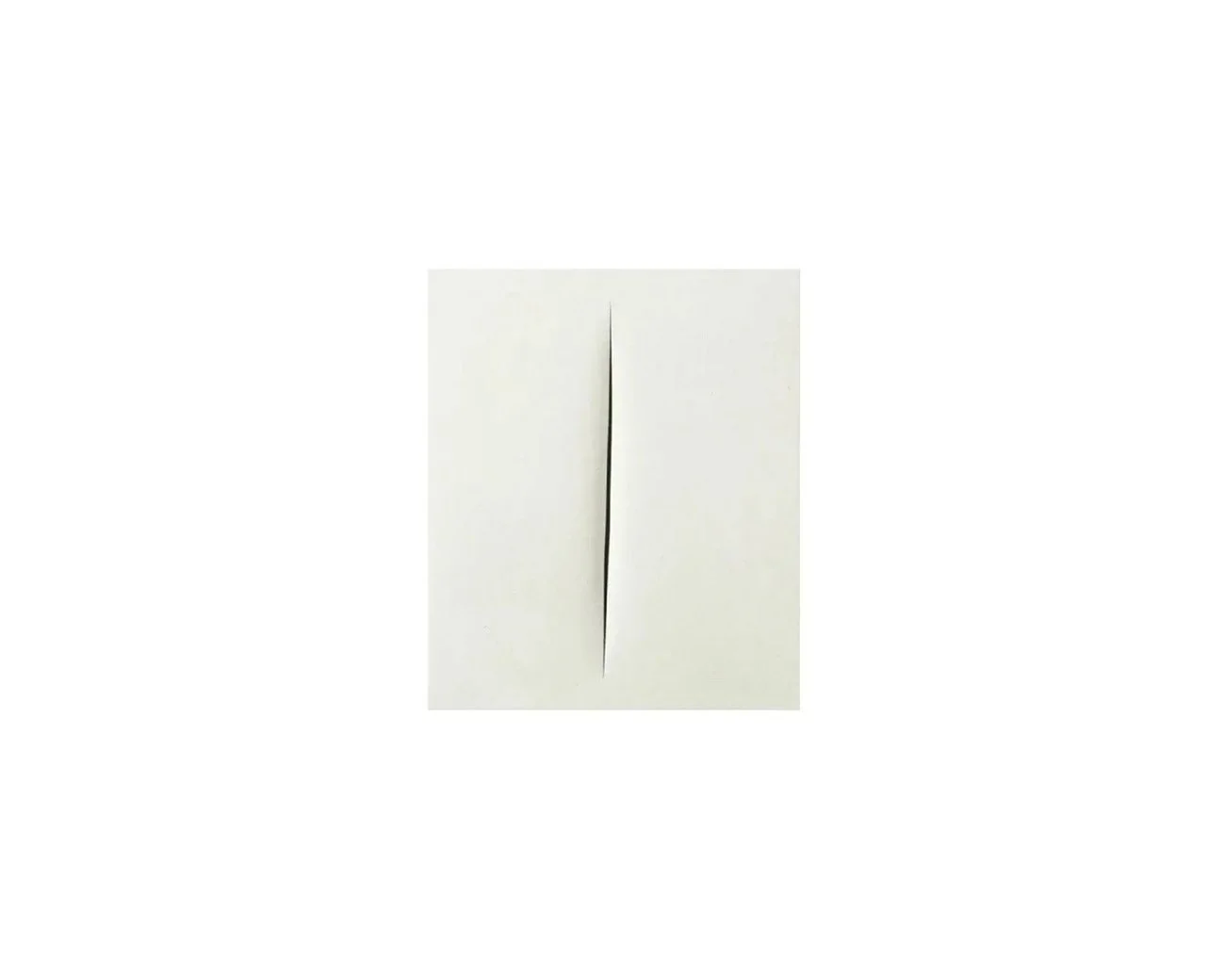
Lucio Fontana, Concetto Spaziale, Attesa, 1965, water paint on white canvas, 39.5 x 32.5 cm. Private collection.
A wall hanging piece by Taruta Hiroshi which recalls the iconic “slash painting” of Lucio Fontana except that Taruta’s sculpture allows light to flow through an elegantly carved slit. The beauty of this piece is enhanced by tints of seihakuji (bluish-white glaze) on the upper surface.
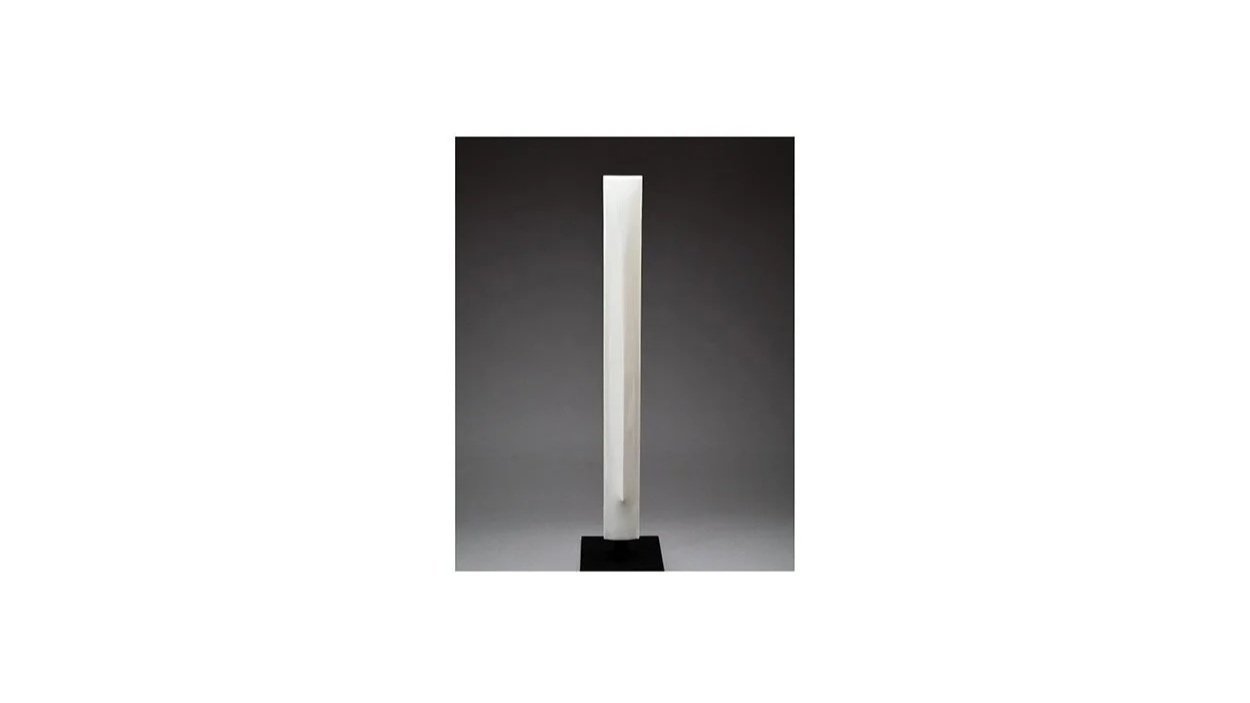
ITABASHI Hiromi (b. 1948), Sculpture titled ‘Prayer’, slip-cast white porcelain, H 70 cm x W 15 cm.
Born Mitaka, Tokyo, Japan, Hiromi Itabashi is one of the most creative and thoughtful artists working in clay today. His encounter with the renowned avant-garde ceramic artist Koie Ryōji (1938-2020) sparked the idea that ceramics are not simply clay hardened by firing but rather objects for aesthetic appreciation. This epiphany led him to create works freed of preconceptions of what ceramics should be and focus instead on their invisible essence. Itabashi's oeuvre is extensive in techniques and forms, though white porcelain and chamotte works have been his primary focus since the mid-90s.