Unpredictable Beauty:
The Allure of Bizen Ceramics
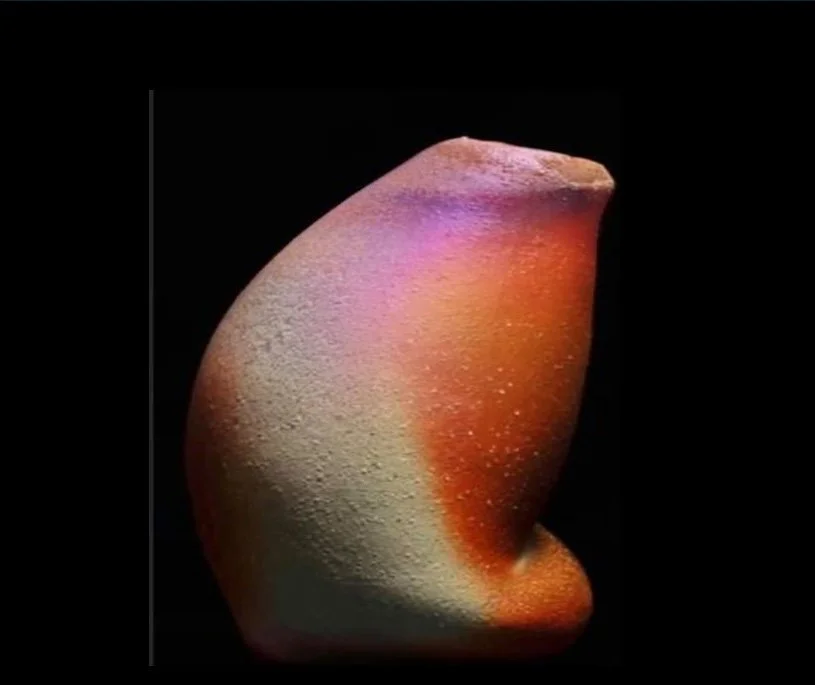
With a history of over 1,000 years, Bizen-yaki or Bizen ware is a celebration of raw earth and fire, with a deep connection to the Japanese aesthetic of wabi-sabi - finding beauty in imperfection and simplicity.
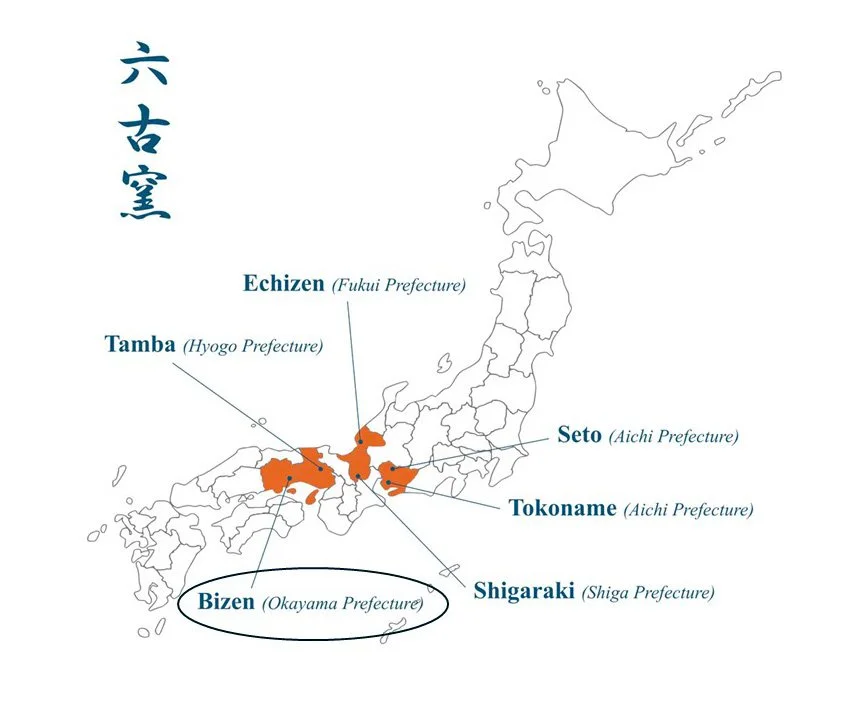
Ancient Roots
For more than a thousand years, Bizen-yaki (Bizen ware) has been admired for their rustic appearance and natural unglazed colors.
What is Special About Bizen Ceramics?
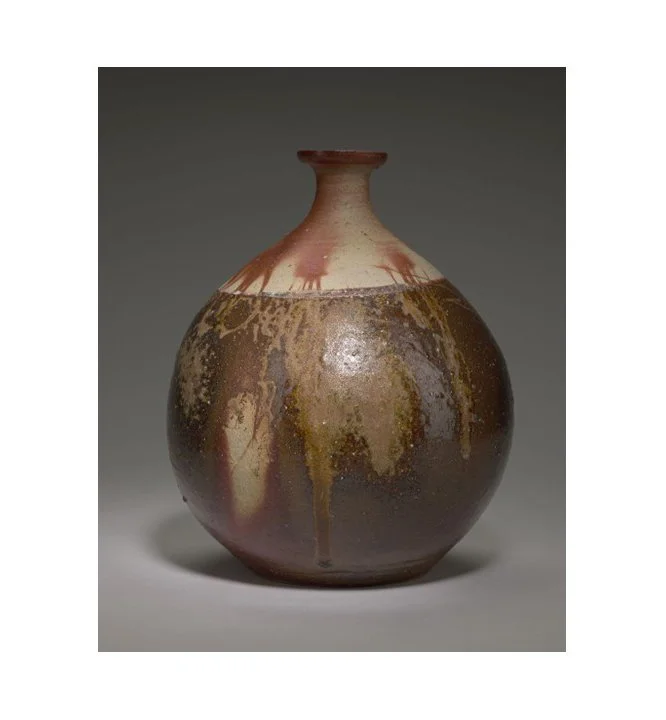
Produced in Bizen city in Okayama Prefecture, the site of one of Japan’s six ancient kilns, Bizen ceramics are easily recognized even by the untrained eye. One first registers its distinctive colours: shades ranging from deepest umber and chestnut, brightening to russet and persimmon, vermilion and warm ivory. Then comes the patterns: glaze-like finish that resembles speckles of sesame seeds, streaks of scarlet on a cream body, wisps of gunmetal grey where ash has fallen and kiln fire has been starved of oxygen. These are heightened by the texture of the vessels themselves, at times rough and at times smooth to the touch. The magical qualities of Bizen pottery are the result of the way they are produced: long periods of intense wood firings using an iron-rich clay known as hiyose harvested from rice fields of Okayama.
Below: Isezaki Jun (Living National Treasure, b. 1936), Vase, Bizen stoneware with natural ash glaze and fire markings, Minneapolis Institute of Art, US.
From Earth to Fire
Working with hiyose clay is no easy task. After shaping the clay into form, the maker must place the raw pieces in the right position inside the kiln so that when the fire starts and wood ash flies, the finished product will show a nuanced beauty of texture and color no artisan can dictate. Because the firing process is long and intense (it can take up to a month), most kilns only fire only once or twice a year. The final appearance of each piece is not entirely predictable, making every cup, bowl or vase one-of-a-kind, never to be repeated. It is an extraordinary process of collaboration between artist and nature where even the most skilled artists must surrender to the unpredictable.
Exhibition Highlights
All exhibits are from the Museum of Modern Ceramics SG unless indicated.

Kaneshige Toyo (1896-1967). Bizen tea bowl, stoneware, natural wood ash glaze, H 8 cm x W 13 cm.

Kaneshige Toyo (1896-1967). Bizen tea bowl, stoneware, natural wood ash glaze, H 8 cm x W 13 cm.
A well-balanced tea bowl by Living National Treasure Kaneshige Toyo featuring a rich earthly tone and the celebrated goma (sesame seed) pattern created by the interaction of flame and ash during wood firing. Kaneshige Toyo was the first potter to be designated as a Living National Treasure for Bizen ware (in 1956) in recognition of his role in reviving the techniques of the Momoyama period (1568-1600) and for elevating Bizen pottery from rustic functional ware for daily use to artistic, highly prized tea wares.
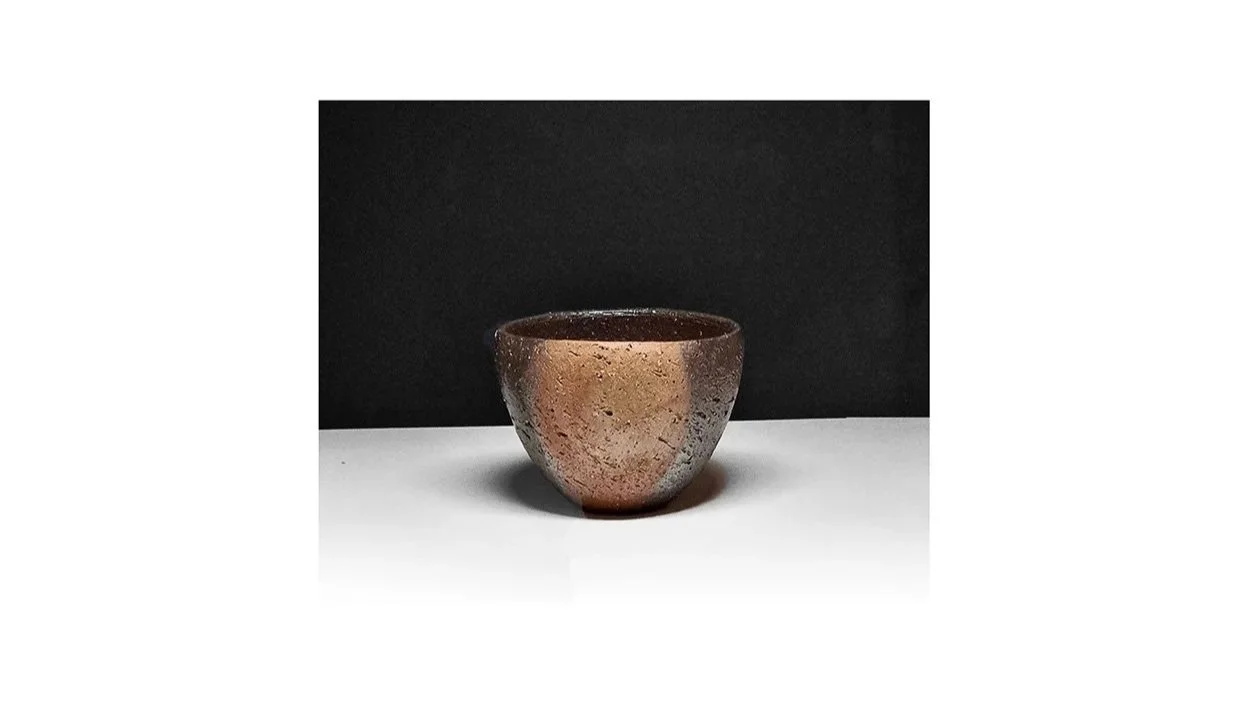
Kaneshige Kosuke (b. 1943). Two-tone tea bowl, Bizen ware, wood-fired with charcoal, H 8 cm x W 10 cm.

Kaneshige Kosuke (b. 1943). Two-tone tea bowl, Bizen ware, wood-fired with charcoal, H 8 cm x W 10 cm.
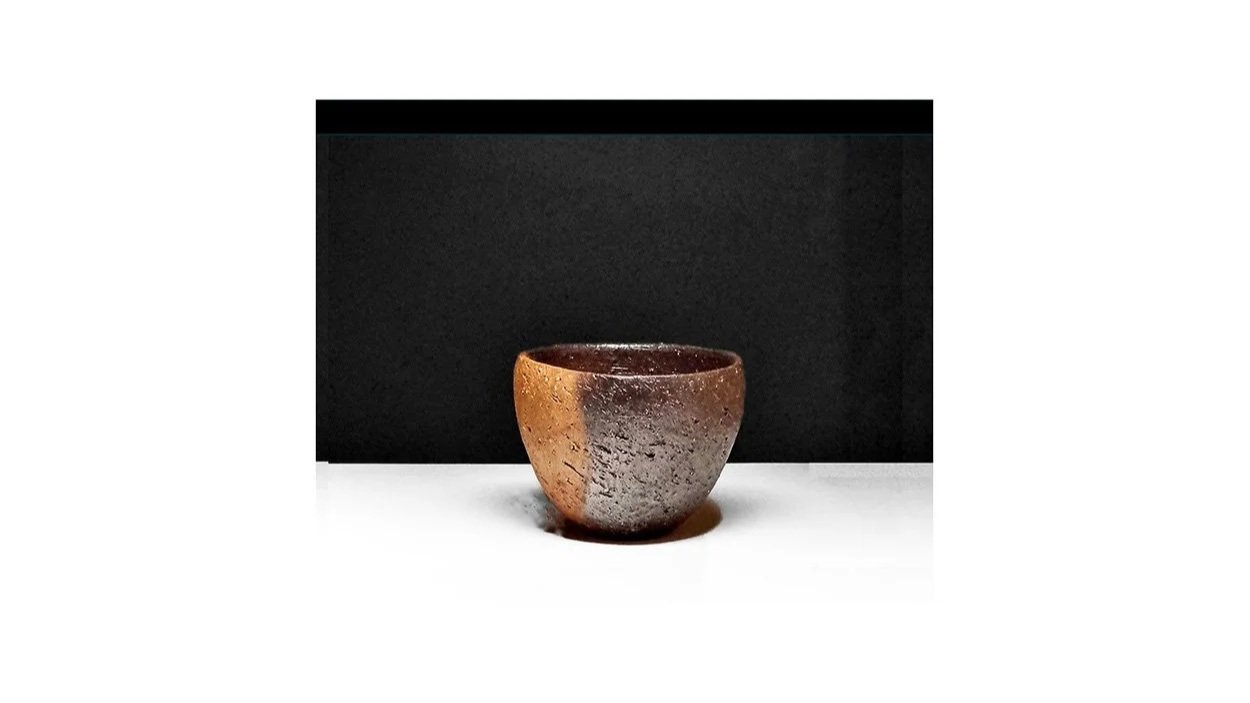
Kaneshige Kosuke (b. 1943). Two-tone tea bowl, Bizen ware, wood-fired with charcoal, H 8 cm x W 10 cm.
A tea bowl by Kaneshige Kosuke who is the third son of Living National Treasure, Kaneshige Toyo and holder of the title of Intangible Cultural Property for Bizen ware. Hand built and fired in a charcoal kiln, the two-tone color gives the bowl a more contemporary feel. The minimalist appearance is created by exposing all but an oval section of the surface to carbonization and oxygen reduction and further enhanced by its simple conical shape, absence of a foot and gentle undulating rim.
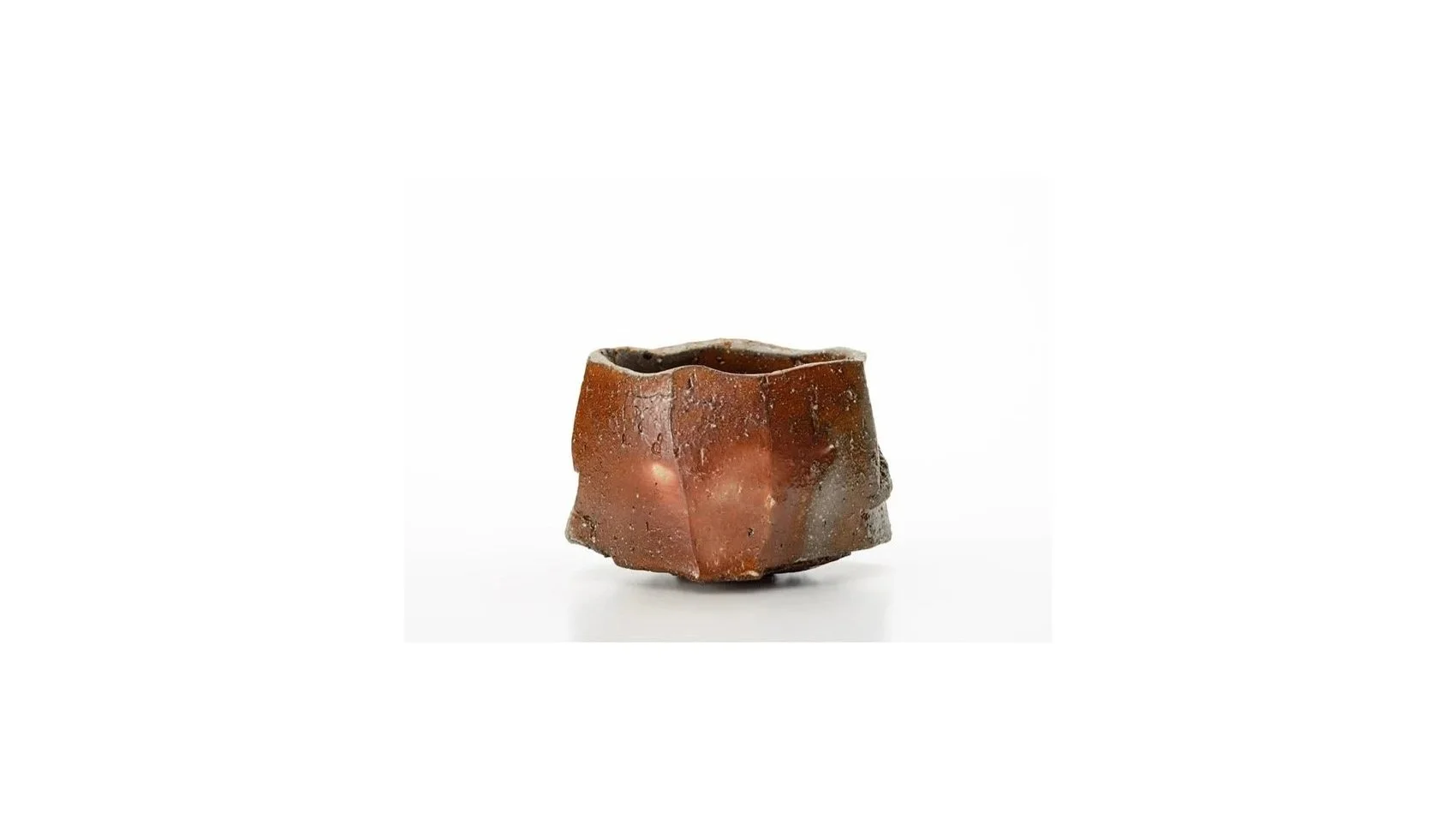
Kakurezaki Ryuichi (b. 1950). Tea bowl with natural ash glaze, H 9 cm x W 14 cm. Private collection.
A contemporary tea bowl by Kakurezaki Ryuichi who is renowned for transforming Bizen pottery into works of art that are modern and avant-garde. This tea bowl was created by the Kurinuki technique of hollowing the basic form from a block of clay, then shaving the walls for sculptural effects. Ryuichi’s works are widely collected and are held in prestigious museums around the world.

Kawataba Fumio (b. 1948). Bizen tea bowl, Shizen-nerikomi method, wood fired, natural ash glaze, H 8 cm x W 11.9 cm.

Kawataba Fumio (b. 1948). Bizen tea bowl, Shizen-nerikomi method, wood fired, natural ash glaze, H 8 cm x W 11.9 cm.

Kawataba Fumio (b. 1948). Bizen tea bowl, Shizen-nerikomi method, wood fired, natural ash glaze, H 8 cm x W 11.9 cm.
A hand-built Bizen tea bowl by Yokohama-born artist, Kawabata Fumio made using the Shizen-nerikomi technique which uses the natural color variations of a single source of clay rather than mixing different colored clays (the nerikomi technique). After marbling the clay from one source, the bowl is straw-wrapped and wood-fired for two weeks with a gradual increase in temperature to a peak of around 1200-1300°C. The present example has a pleasing sand-colored body and striking scarlet flame marks known as hidasuki.

Goseki Hiroshi (b. 1988). Ao (blue) chawan, Bizen ware, natural ash glaze, reduction firing, H 10.8 cm x W 11.8 cm.

Goseki Hiroshi (b. 1988). Ao (blue) chawan, Bizen ware, natural ash glaze, reduction firing, H 10.8 cm x W 11.8 cm.

Goseki Hiroshi (b. 1988). Ao (blue) chawan, Bizen ware, natural ash glaze, reduction firing, H 10.8 cm x W 11.8 cm.
A striking blue Bizen tea bowl Goseki Hiroshi who is based in Ibaraki Prefecture. The front of the bowl is covered with a deep blue hue known as Ao Bizen, achieved through reduction firing. In the middle is a bright ovoid that forms a luminous contrast to the blue. Ao Bizen wares are relatively rare as they require precise firing conditions and are more highly prized than typical Bizen ware. The back of the bowl is primarily brownish-black due to the interaction of the iron-rich clay and wood ash during the long period of intense firing.

Artist unknown. Tokkuri (sake bottle), Bizen ware, unglazed stoneware, H 15 cm.

Artist unknown. Tokkuri (sake bottle), Bizen ware, unglazed stoneware, H 15 cm.
Tokurri are containers for pouring sake. This tokkuri has a classic shape and a rich pattern of natural glaze, notably the sesame seed pattern known as goma produced when pine ash sticks to the vessel and tamadare, a glaze-like pattern formed when melting ash drips onto the clay body.

Fujiwara Kazu (b. 1958). Tokkuri, Bizen ware, wood-fired, hidasuki patterning, H 11.5 cm x W 8.8 cm.

Fujiwara Kazu (b. 1958). Tokkuri, Bizen ware, wood-fired, hidasuki patterning, H 11.5 cm x W 8.8 cm.

Fujiwara Kazu (b. 1958). Tokkuri, Bizen ware, wood-fired, hidasuki patterning, H 11.5 cm x W 8.8 cm.
A tokkuri by Living National Treasure, Fujiwara Yu showcasing striking orange-red cord markings known as hidasuki. Such patterns are highly prized in Bizen pottery and are created by strapping the vessel with rice straws before firing. During firing, chemicals in the rice straw interact with iron in the clay, producing the distinctive cord-like pattern that is considered a form of yohen or "natural kiln effect."

Nakamura Kazuki (b. 1980). Tokkuri. Bizen ware, wood-fired, natural ash glaze, H. 11.8 cm x W 9 cm.

Nakamura Kazuki (b. 1980). Tokkuri. Bizen ware, wood-fired, natural ash glaze, H. 11.8 cm x W 9 cm.
A squat pinched sake bottle with nuanced shades of natural ash glaze by Nakamura Kazuki who comes from a family of distinguished Bizen potters. Far from being considered an imperfection, warp-shaped vessels such as this are highly prized by connoisseurs who embrace the wabi-sabi aesthetic of appreciating the natural beauty of what is rustic and imperfect.
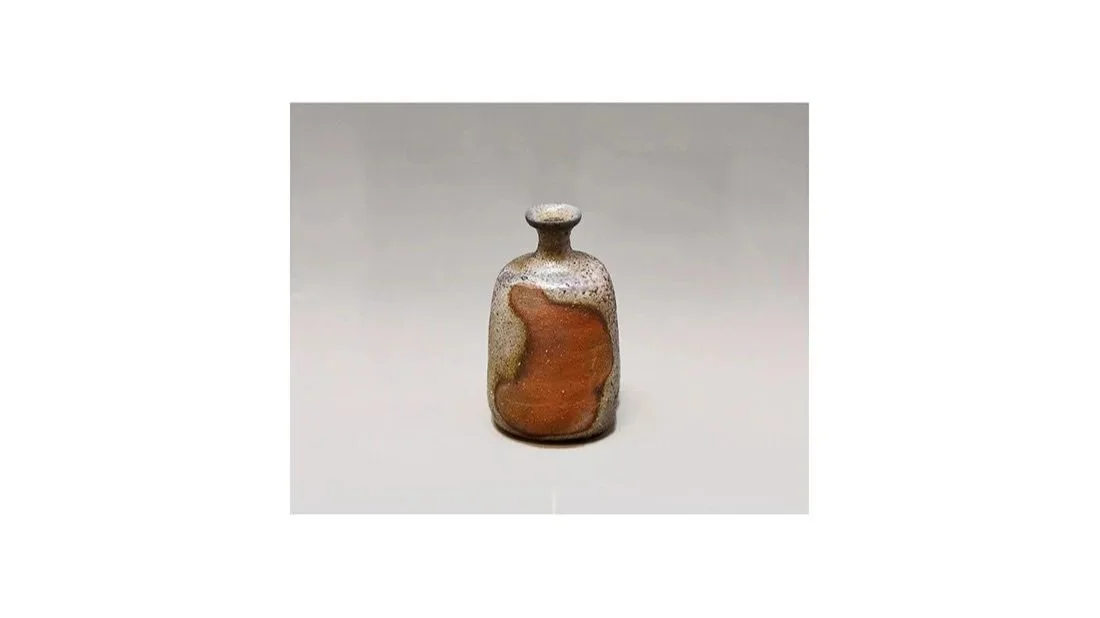
Wakimoto Hiroyuki (b. 1952), Yohen tokkuri, Bizen ware, H 13.2 cm x W 8 cm.
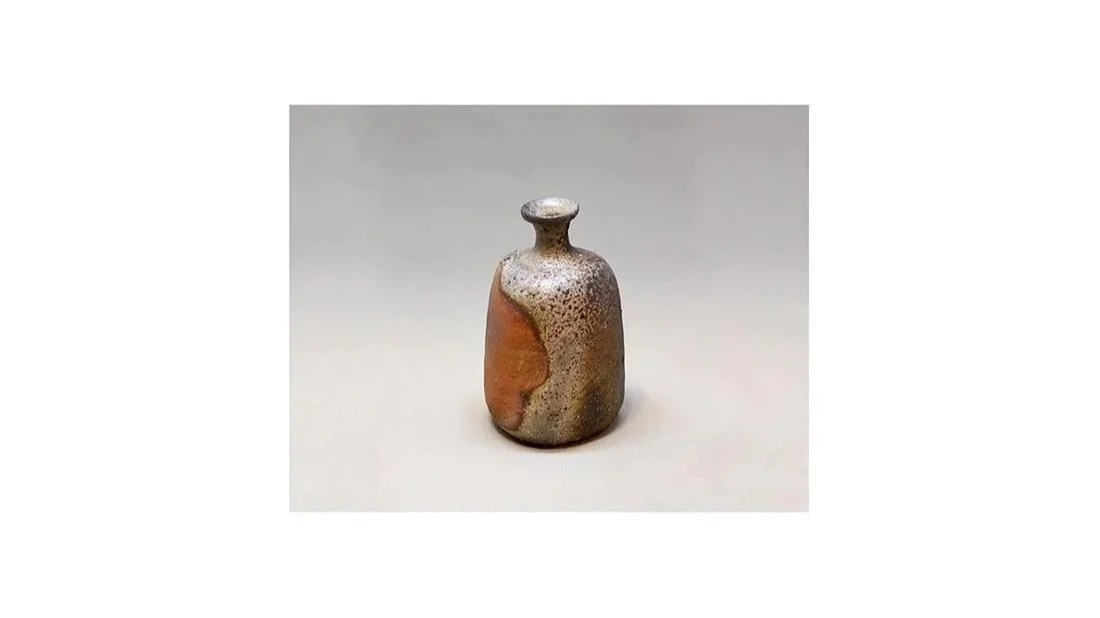
A standout feature of this hand-built sake bottle by Wakimoto Hiroyuki is the prominent swathe of orange-brown that contrast vividly with a lighter background, giving it a contemporary feel. Born in 1952 in Nagasaki Prefecture, Wakimoto Hiroyuki is celebrated for his modern, sculptural works created by carving out blocks of clay rather than using a potter’s wheel.
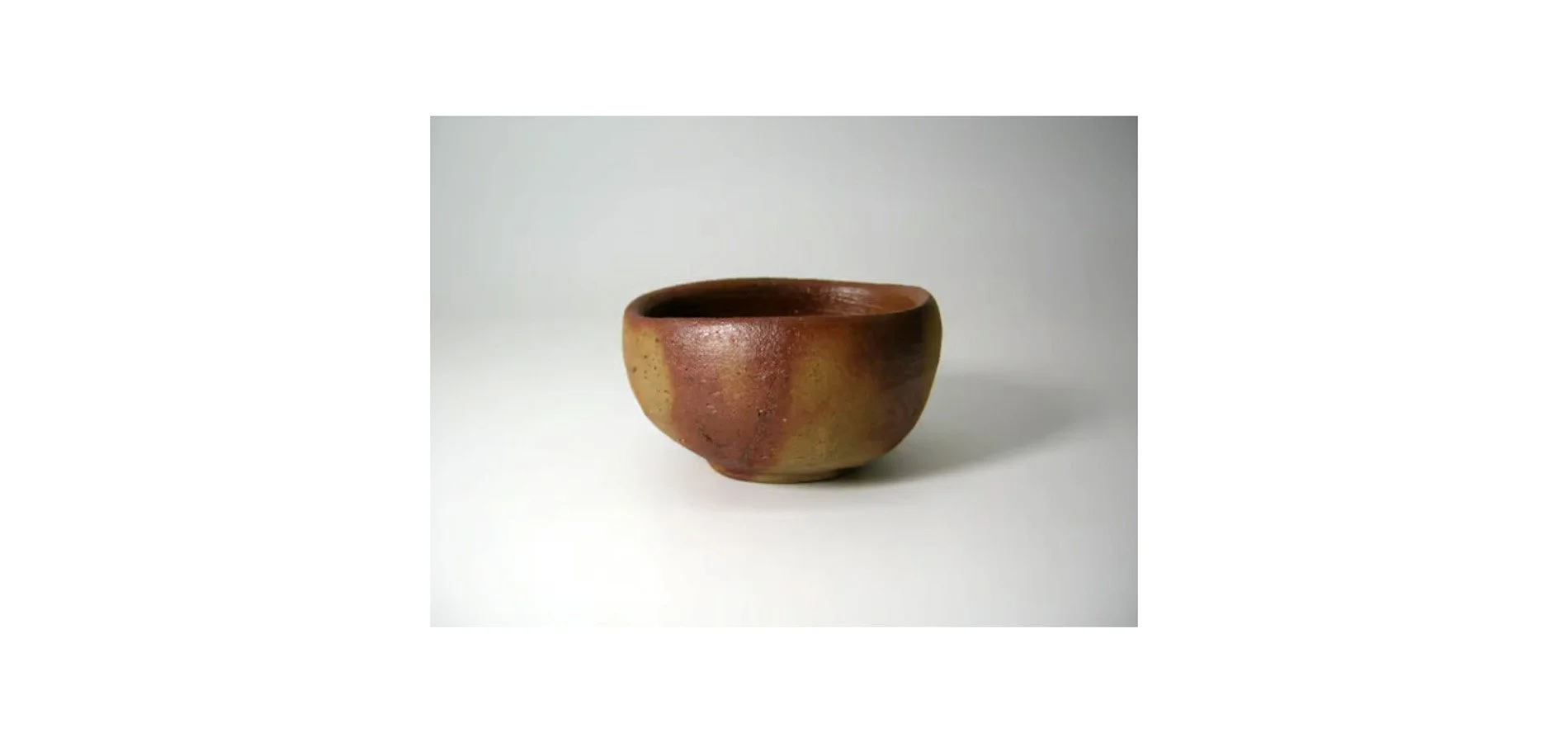
Osawa Tsuneo (b. 1962). Bizen ware, wood-fired, hidasuki patterns, H 4.4 cm x W 7.4 cm.
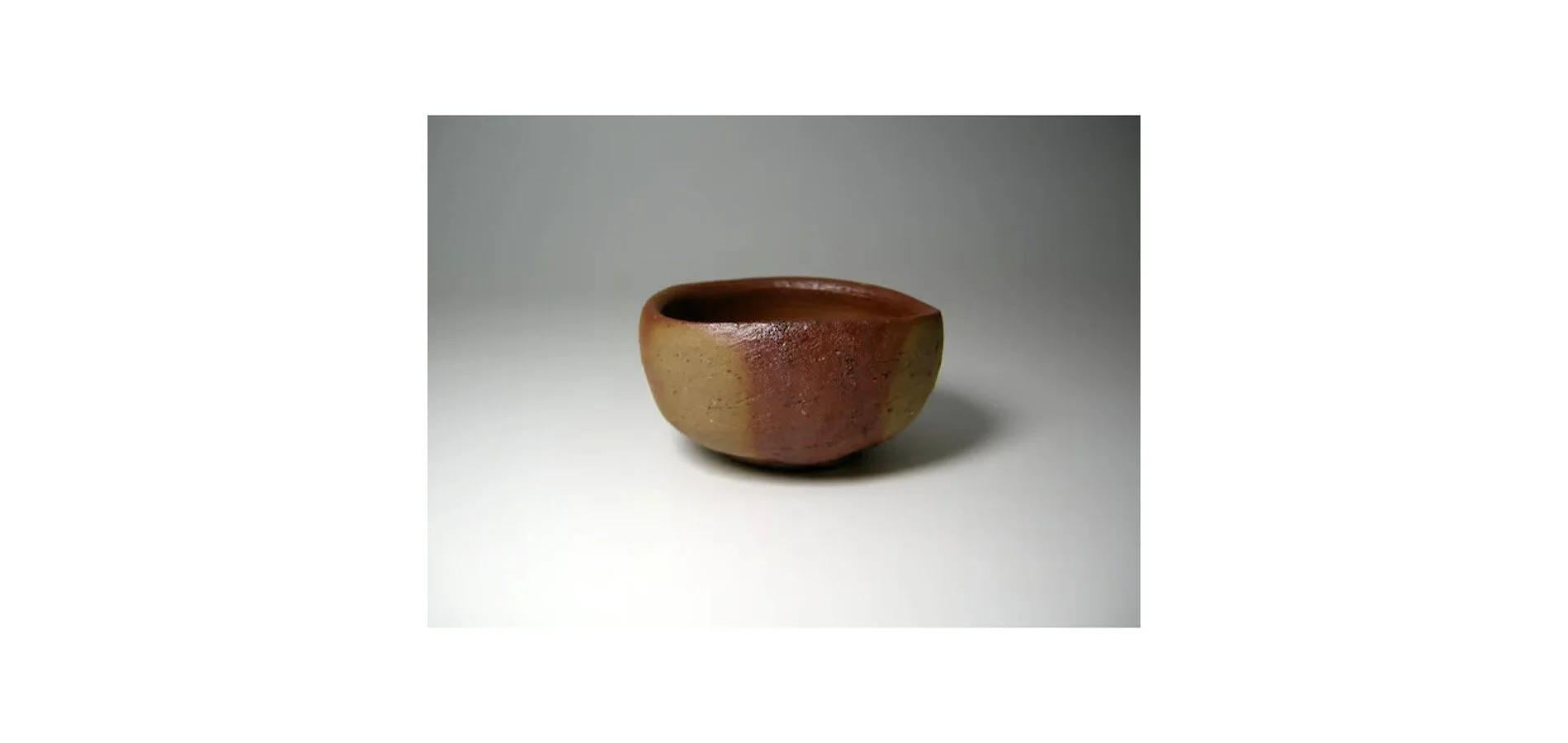
Osawa Tsuneo (b. 1962). Bizen ware, wood-fired, hidasuki patterns, H 4.4 cm x W 7.4 cm.
A Kutsugata (clog-shaped) sake cup showcasing wood ash glaze and hidasuki (flame mark) patterns created by wrapping the cup in rice straw before firing in a wood kiln. Born in Akita Prefecture in 1962, Osawa Tsuneo has won many awards for his mastery of soil mixing and controlled firing that gives his vessels a strong rich tone.
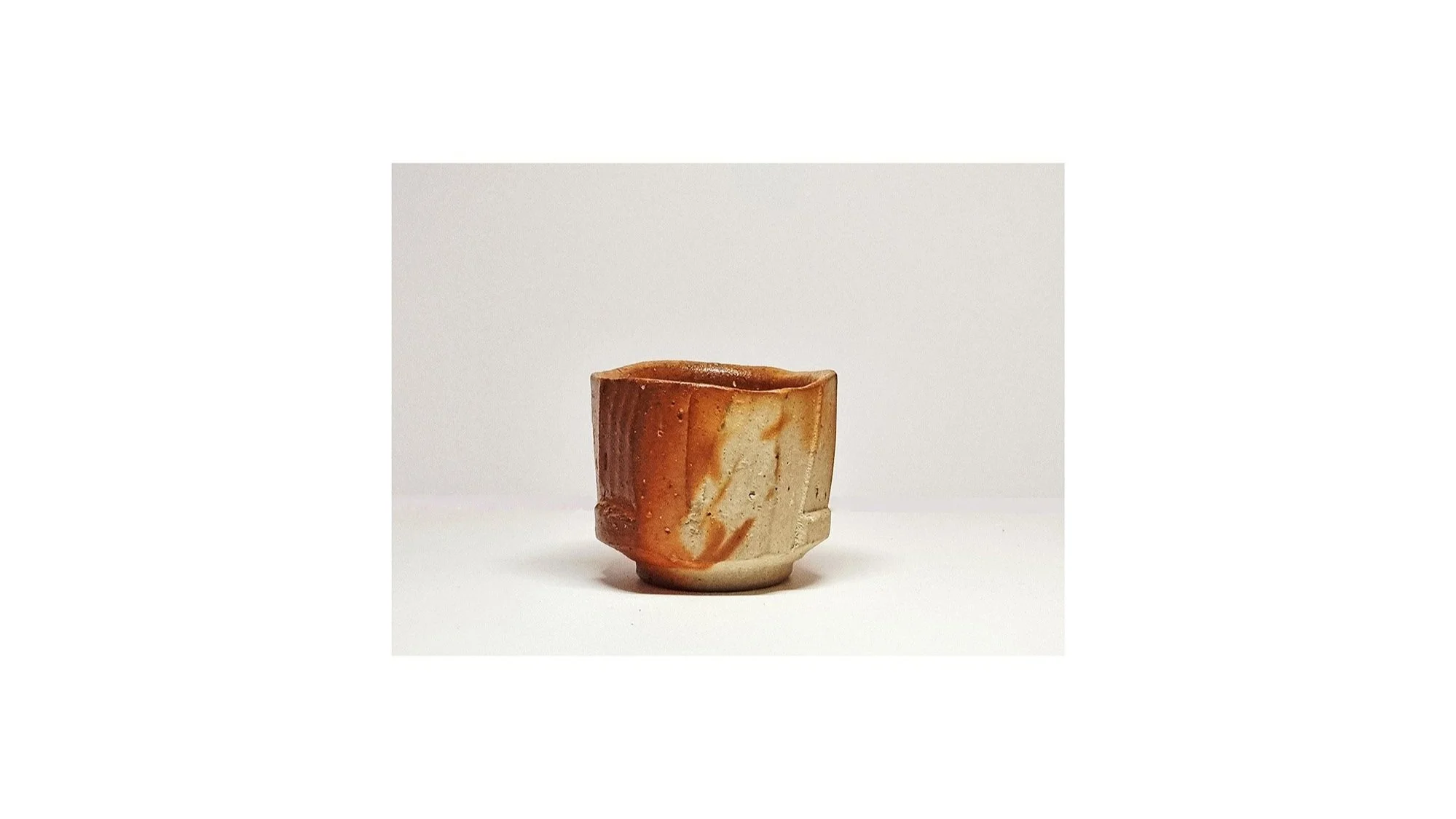
Shibuta Toshiaki (b. 1957), Bizen sake cup with orange-red scorch marks, H 6.2 cm x W 6.7 cm.

Shibuta Toshiaki (b. 1957), Bizen sake cup with orange-red scorch marks, H 6.2 cm x W 6.7 cm.
A faceted sake cup by Shibuta Toshiaki, an award-winning ceramicist based in Okayama, featuring vivid hidasuki patterns of orange and scarlet.
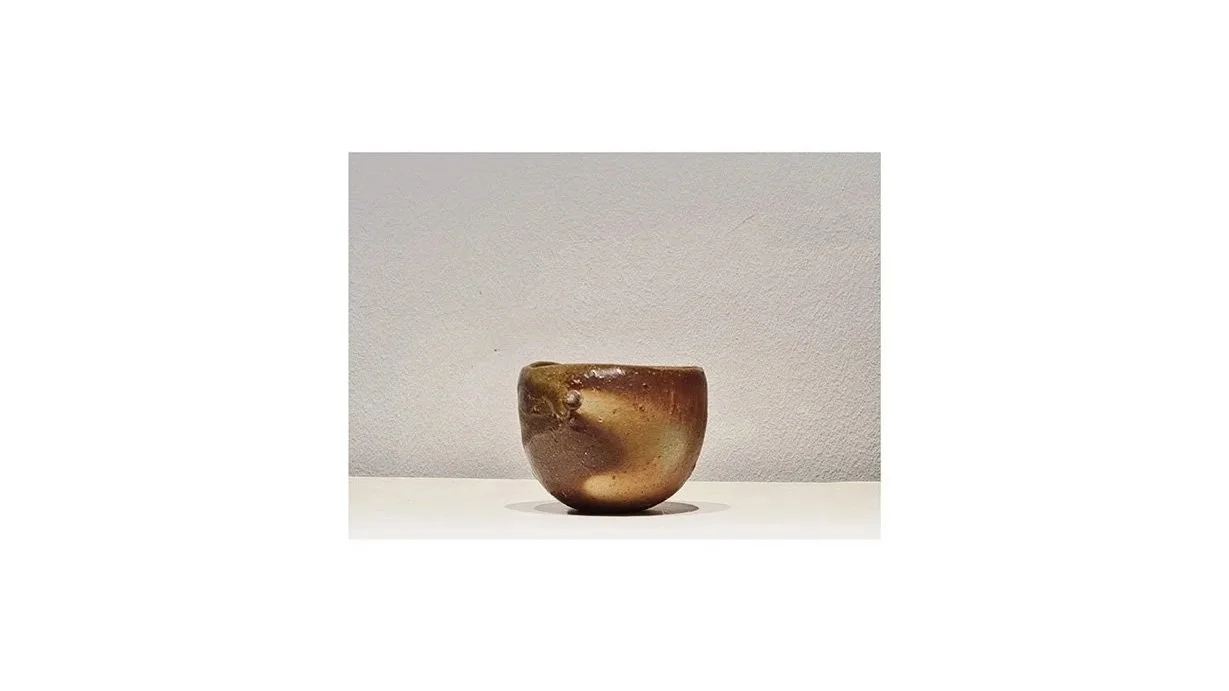
Isezaki Koichiro (b. 1974). Sake cup, Bizen ware with yohen (kiln-change) patterns, wood-fired stoneware, H 7.5 cm x W 5.5 cm.
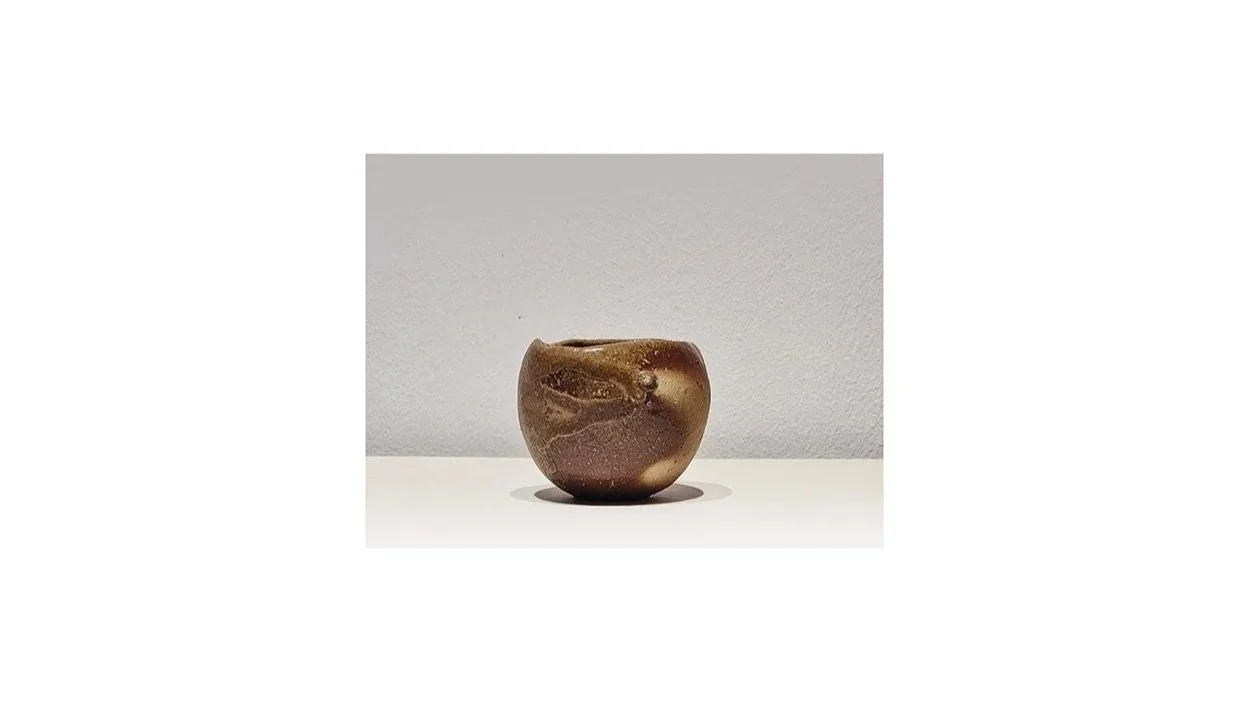
Isezaki Koichiro (b. 1974). Sake cup, Bizen ware with yohen (kiln-change) patterns, wood-fired stoneware, H 7.5 cm x W 5.5 cm.

Isezaki Koichiro (b. 1974). Sake cup, Bizen ware with yohen (kiln-change) patterns, wood-fired stoneware, H 7.5 cm x W 5.5 cm.
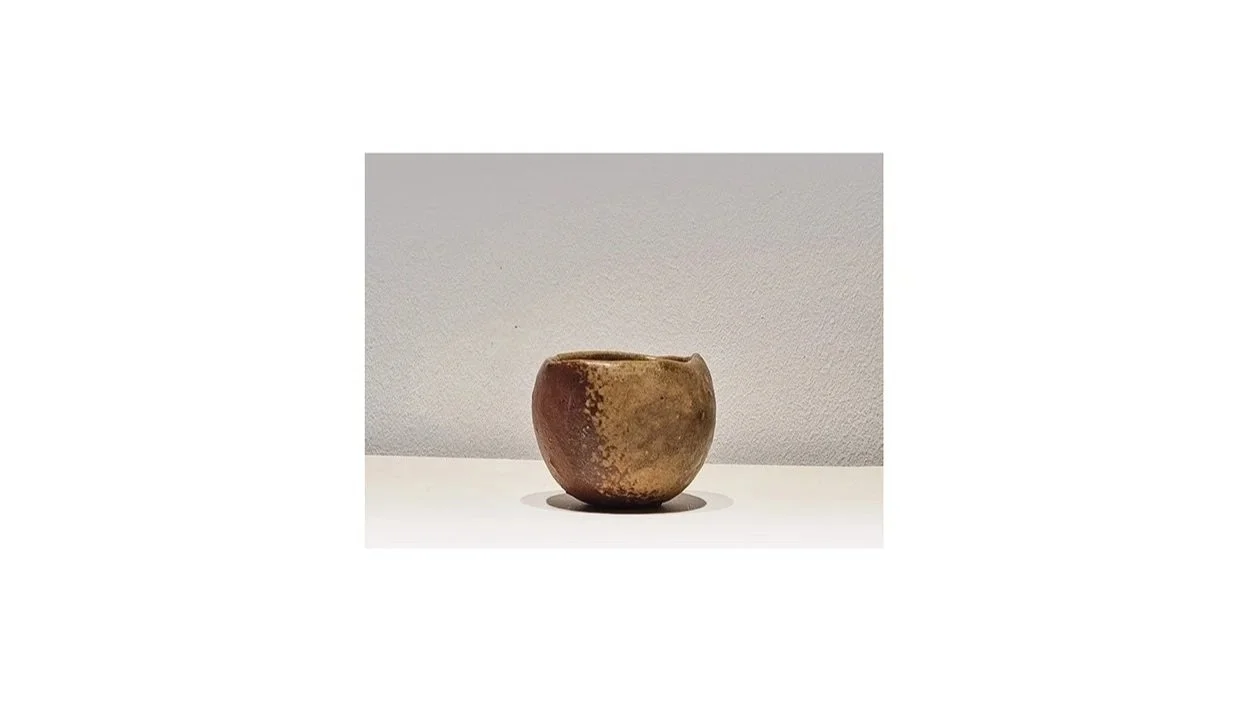
Isezaki Koichiro (b. 1974). Sake cup, Bizen ware with yohen (kiln-change patterns), wood-fired stoneware, H 7.5 cm x W 5.5 cm.
A sake cup by Isezaki Koichiro, the eldest son of Living National Treasure, Isezaki Jun. This well-crafted sake cup has the presence of a chawan (tea bowl). its surface is adorned with a rich mix of kiln change effects such as horizontal glaze drips, black scorch marks, scarlet flame marks (hidasuki pattern) and the goma (sesame-seed) pattern.
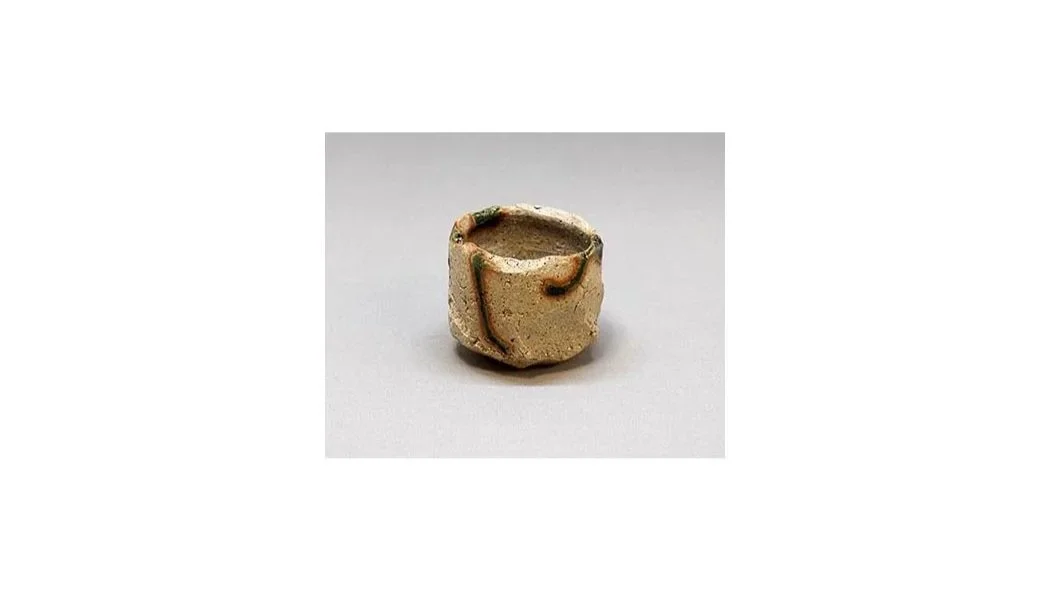
Takenaka Kenji (b. 1957), Oribe sake cup, Bizen stoneware, Oribe glaze, H 5.6 cm x W 6.2 cm
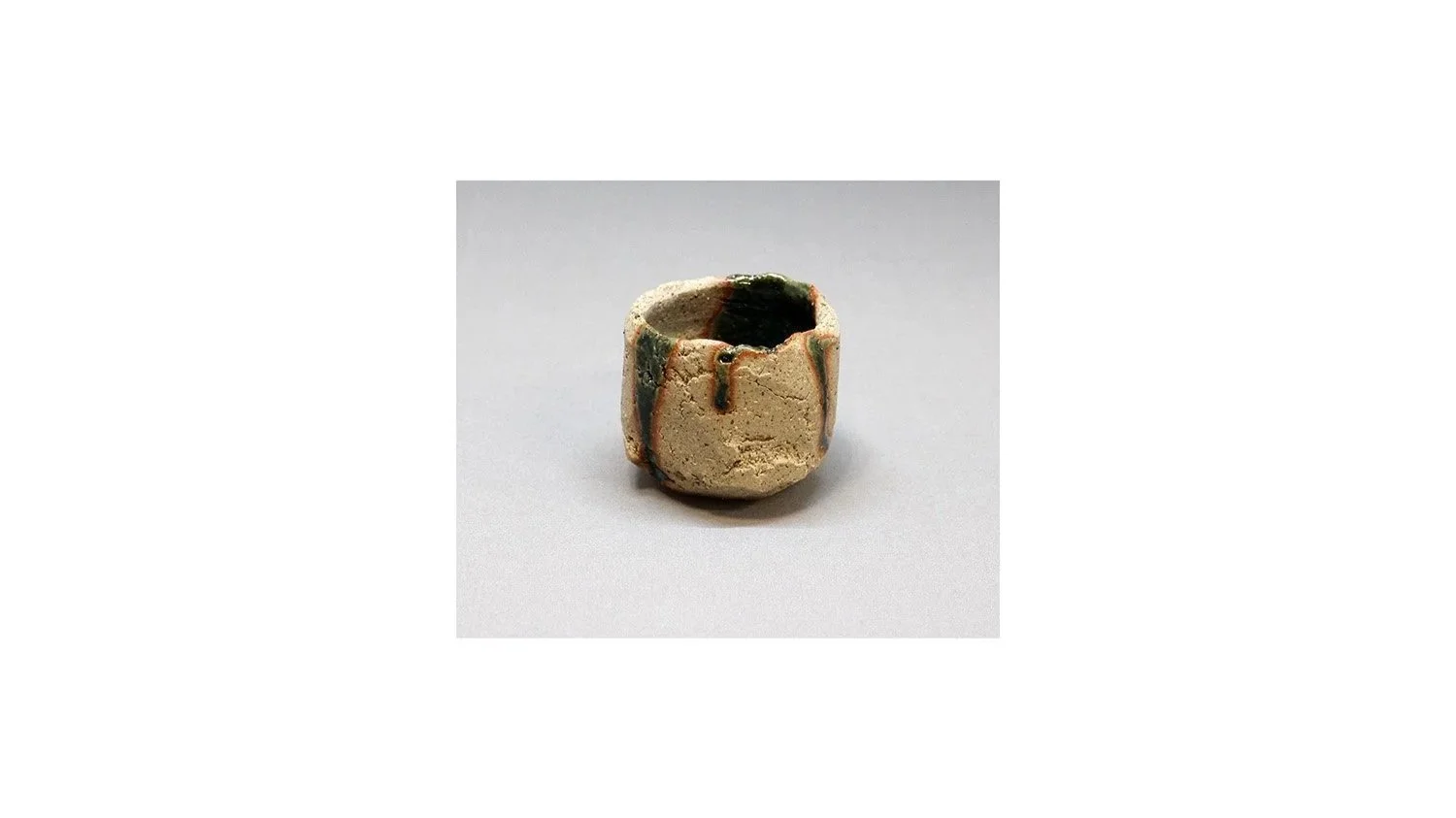
Takenaka Kenji (b. 1957), Oribe sake cup, Bizen stoneware, Oribe glaze, H 5.6 cm x W 6.2 cm
A sake cup by master potter Takenaka Kenji featuring a soft irregular form and abstract Oribe glaze patterns. Takenaka is known for his excellent craftsmanship and creative application of glaze on wood-fired Bizen clay. A multiple award winner, his works are held by the Museum of Ceramic Art in Hyogo and the Tanabe Museum in Shimane Prefecture.
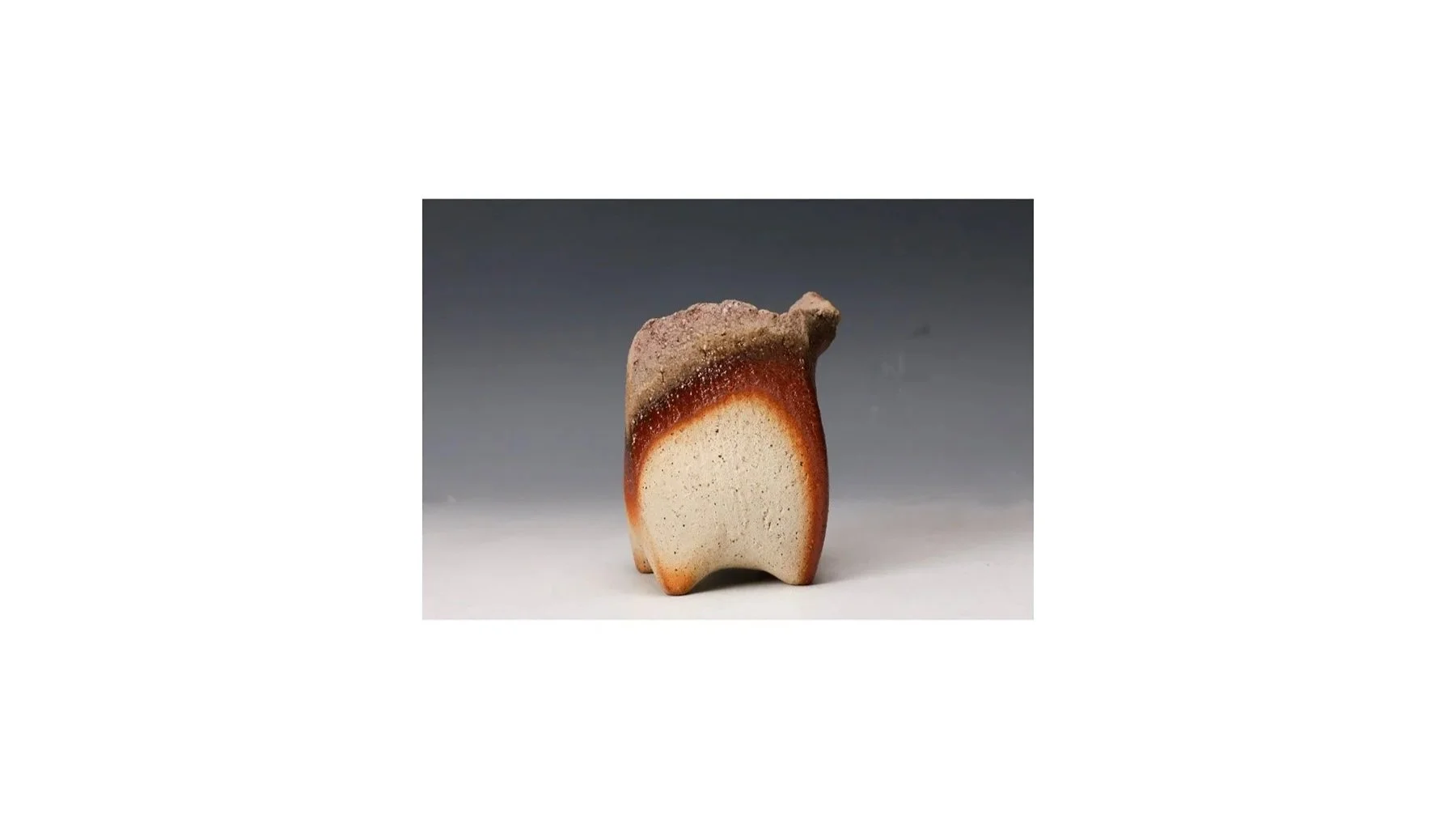
Takenaka Kenji (b. 1957), Sake cup with notched foot and hidasuki glaze pattern, H 9 cm.
Another sake cup by Takenaka Kenji with his distinctive approach to glazing that transforms ordinary drinking vessels into works of art. This example has a sculptural presence due to the spur at the rim and foot notches. The fiery natural glaze finish on one side of the cup is also striking.
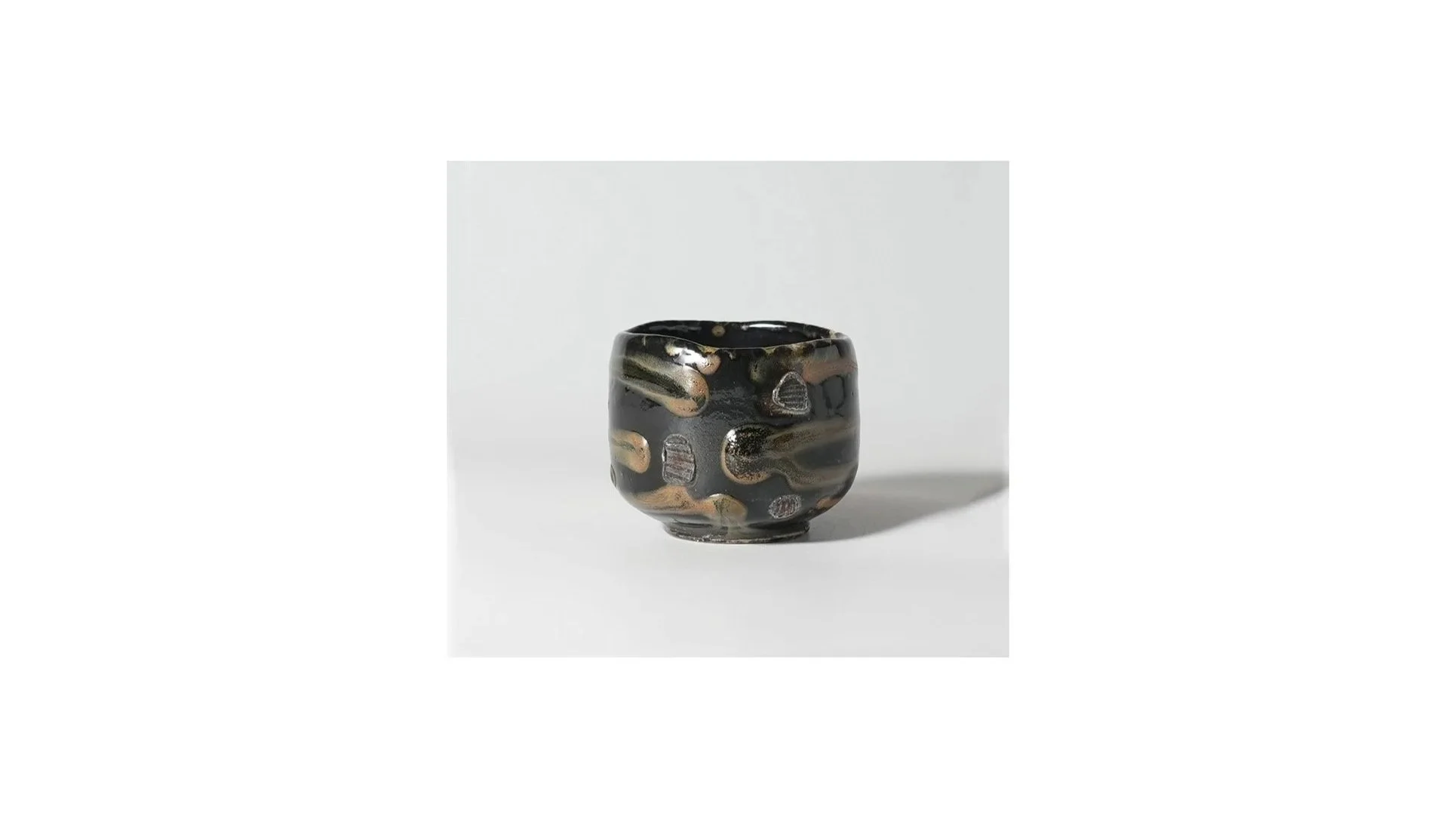
Baba Takashi (1983), Yohen Kuro sake cup, Bizen ware, H 5.9 cm x W 7 cm.
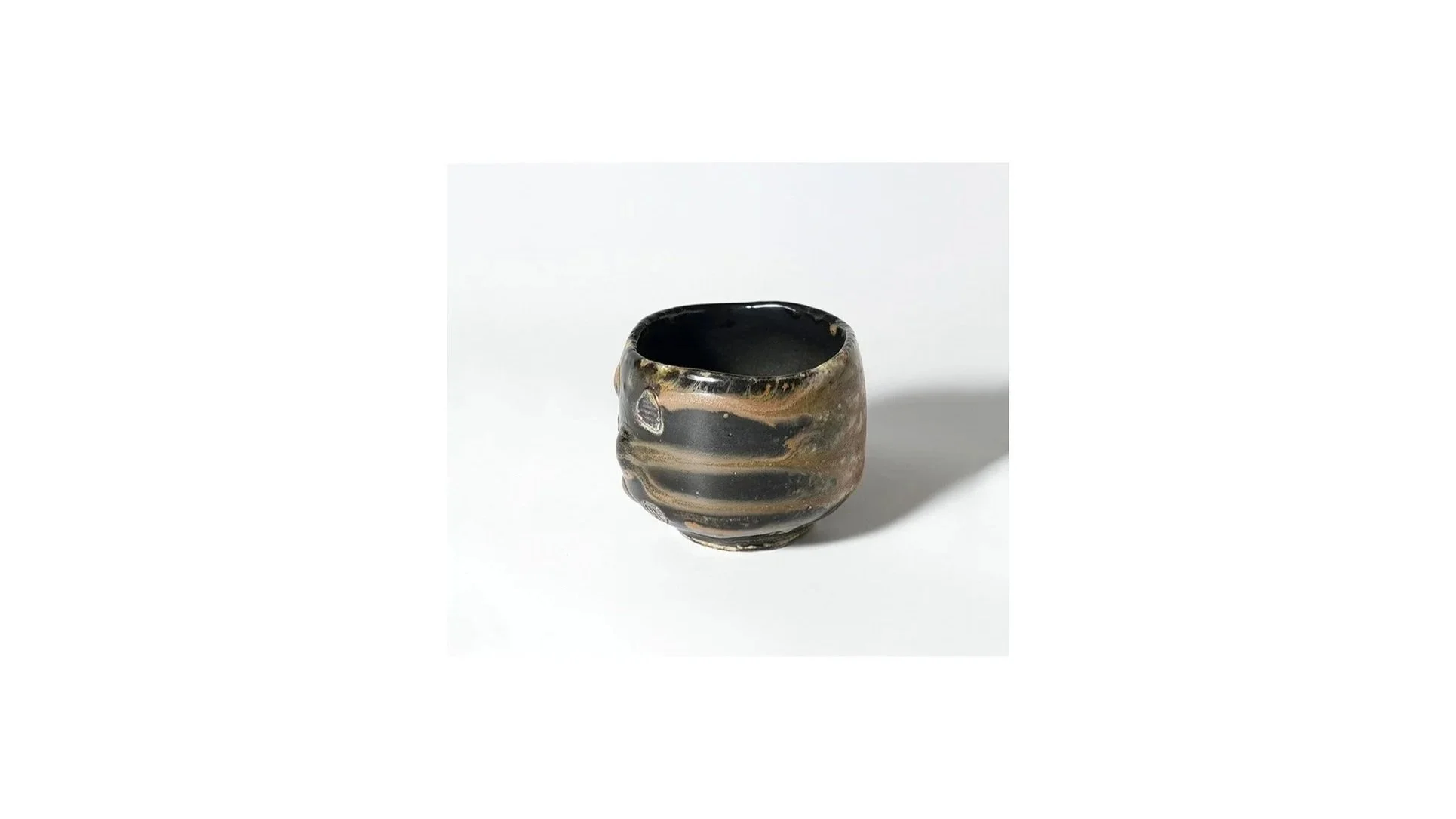
Baba Takashi (1983), Yohen Kuro sake cup, Bizen ware, H 5.9 cm x W 7 cm.
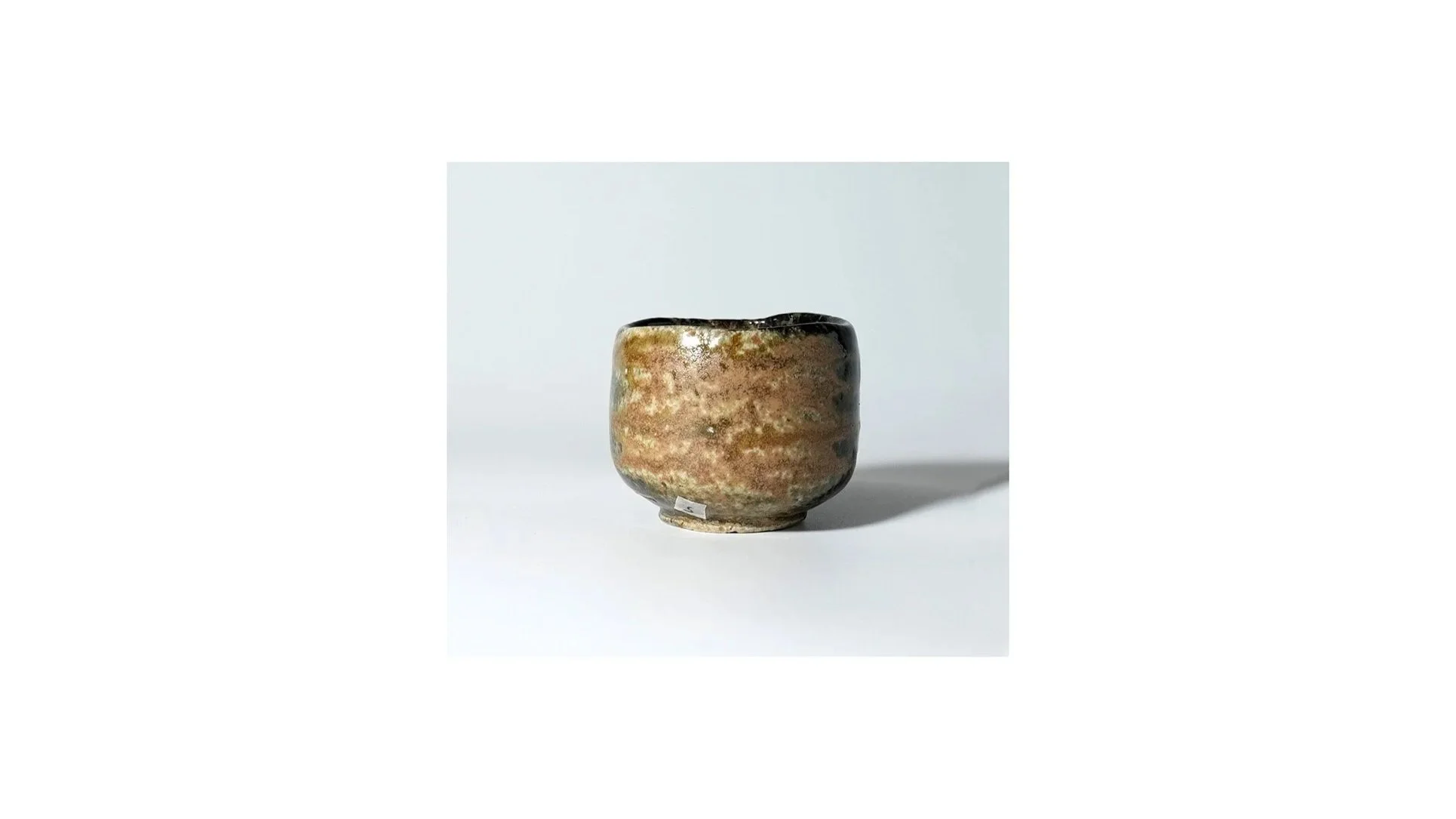
Baba Takashi (1983), Yohen Kuro sake cup, Bizen ware, H 5.9 cm x W 7 cm.
Horizontal drips of brown glaze weave between shell-like impressions in this stunning Kuro (black) sake cup by a rising star of Bizen ceramics. Born in 1983 to a family of Bizen potters, Baba Takashi began his profession as a ceramic artist after graduating from the Tokyo University of the Arts in 2006. Since then, he has built up a reputation for his experimental approach to glazing while adhering to the traditional method of firing using a wood kiln.
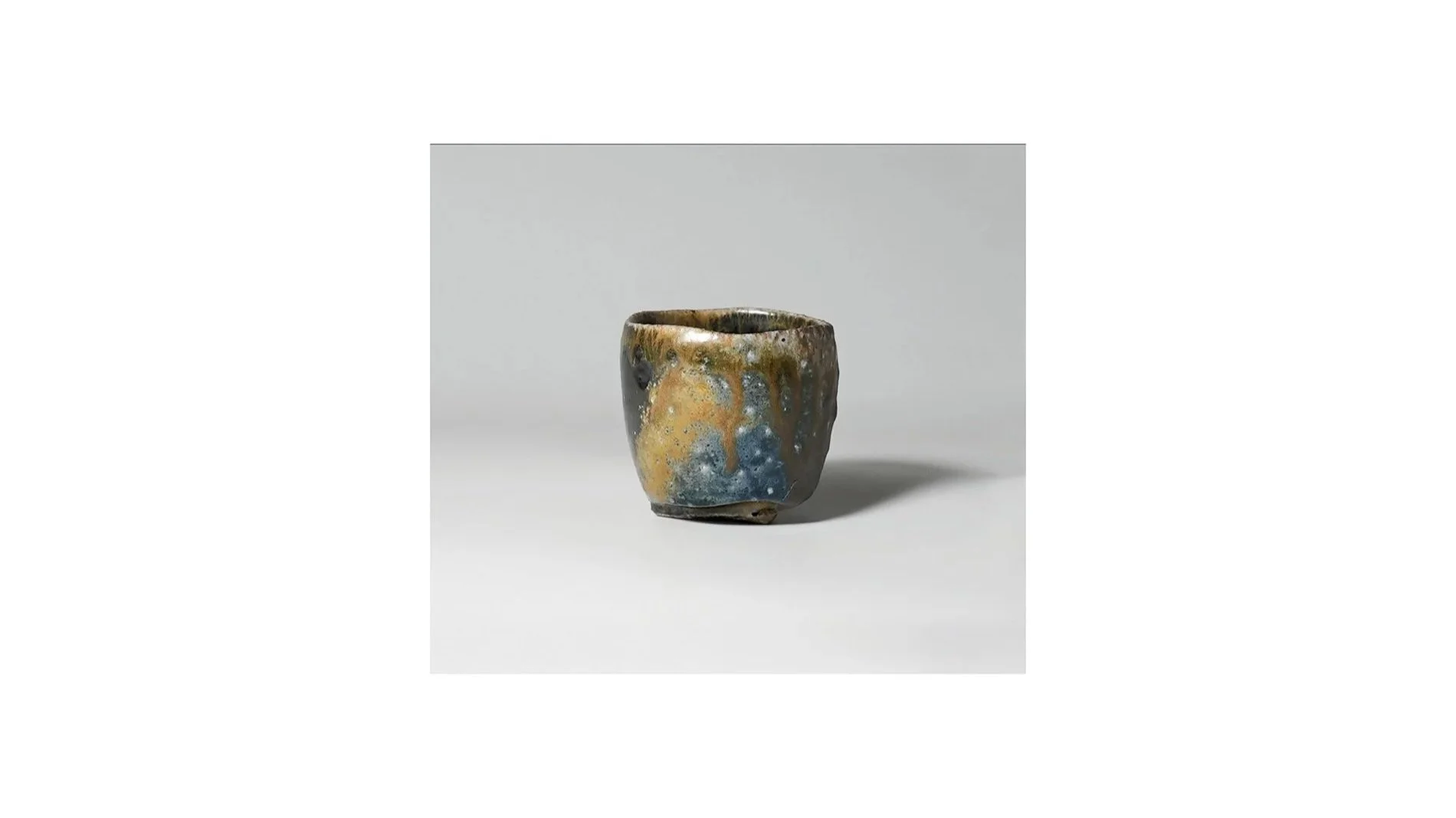
Baba Takashi (b. 1983), Yohen Ao sake cup, Bizen ware, H 7.4 cm x W 6.9 cm.
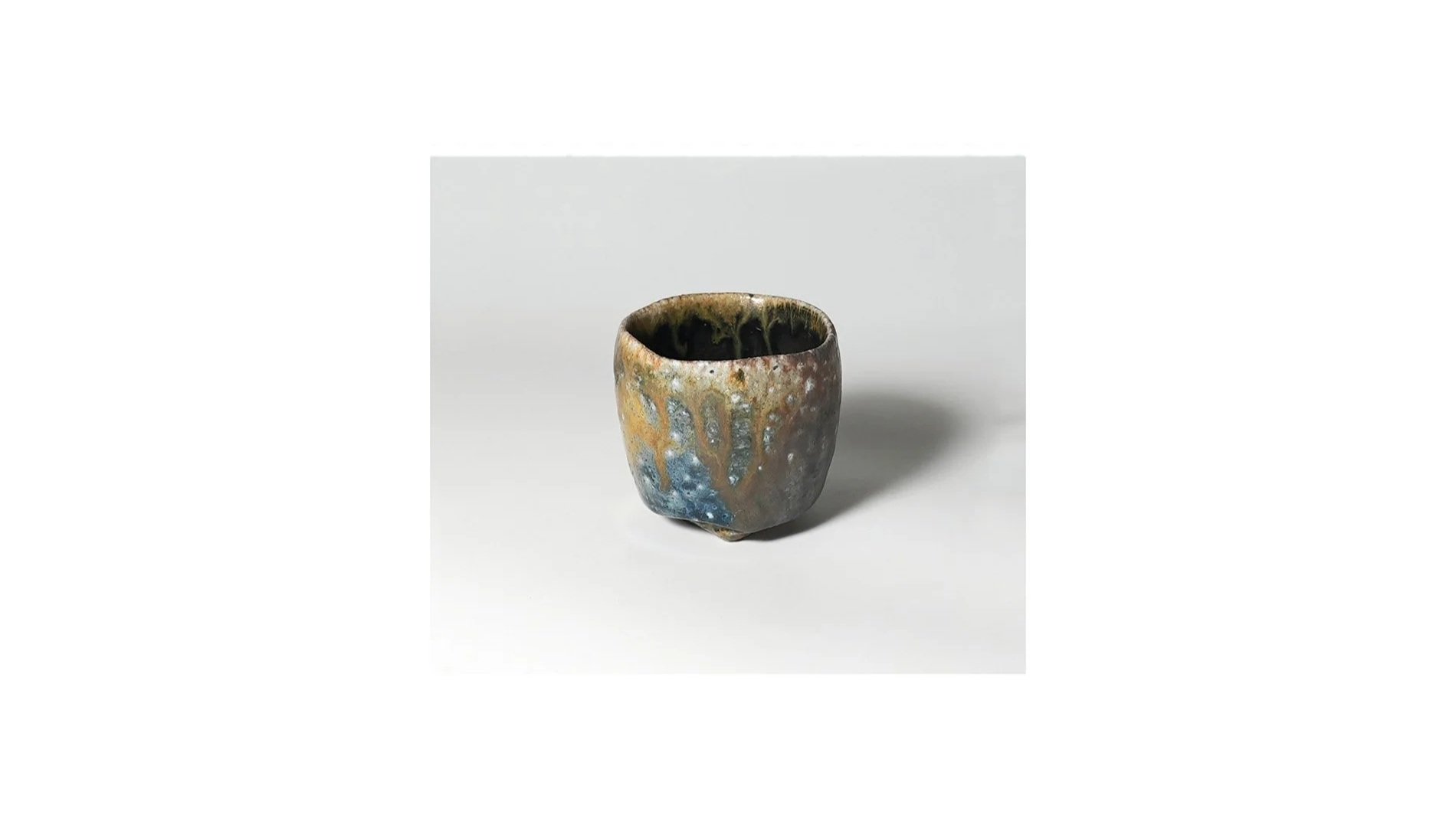
Baba Takashi (b. 1983), Yohen Ao sake cup, Bizen ware, H 7.4 cm x W 6.9 cm.
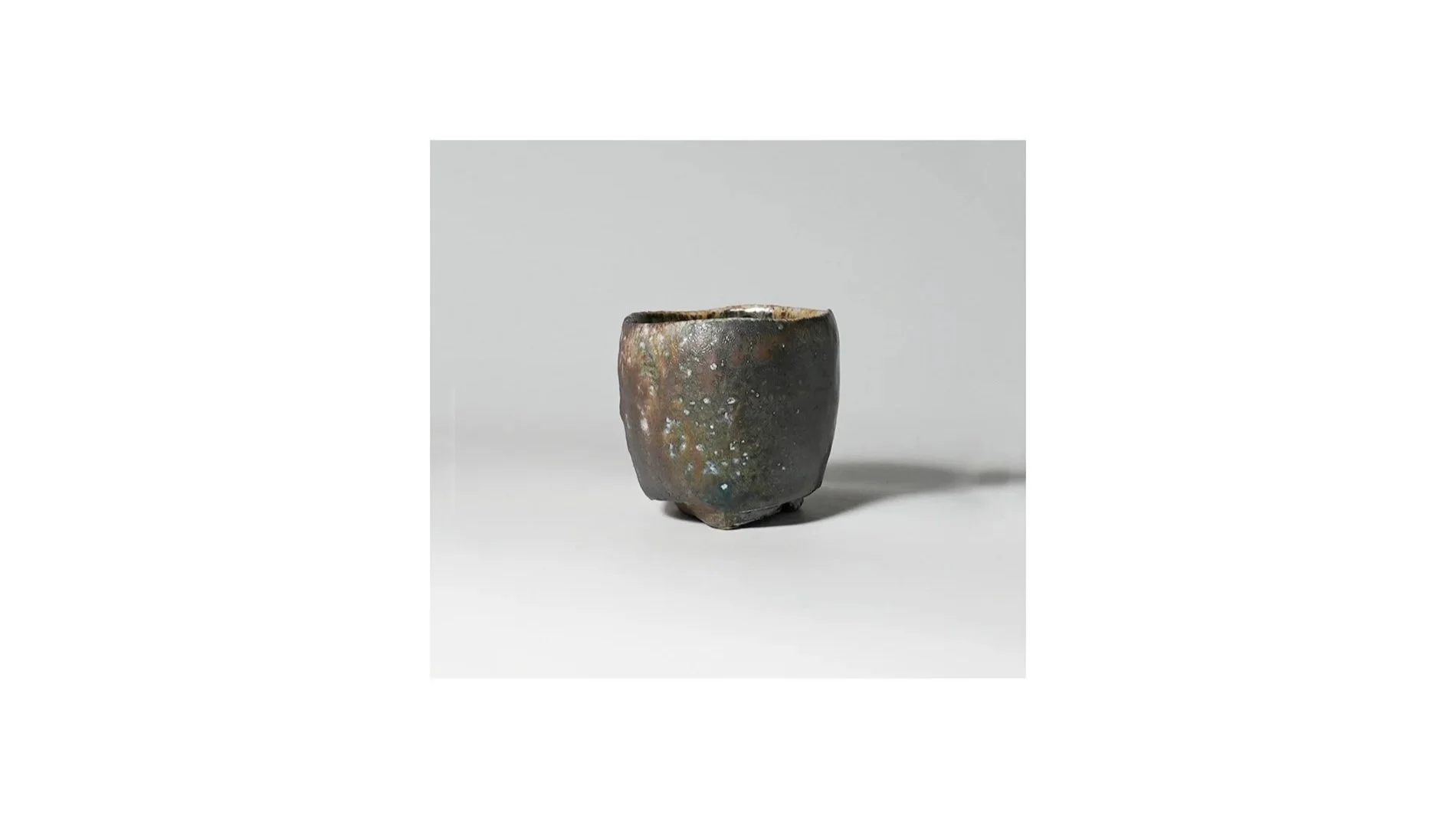
Baba Takashi (b. 1983), Yohen Ao sake cup, Bizen ware, H 7.4 cm x W 6.9 cm.
A yohen (kiln-changed) sake cup by Takashi Baba featuring a mesmerizing mix of bluish, orange and brownish-black tones that evoke an image of a star-studded galaxy. Blue is a rare color in Bizen ware and is achieved by using specially formulated clay combined with delicate control of oxygen reduction during the long period of intense wood firing.
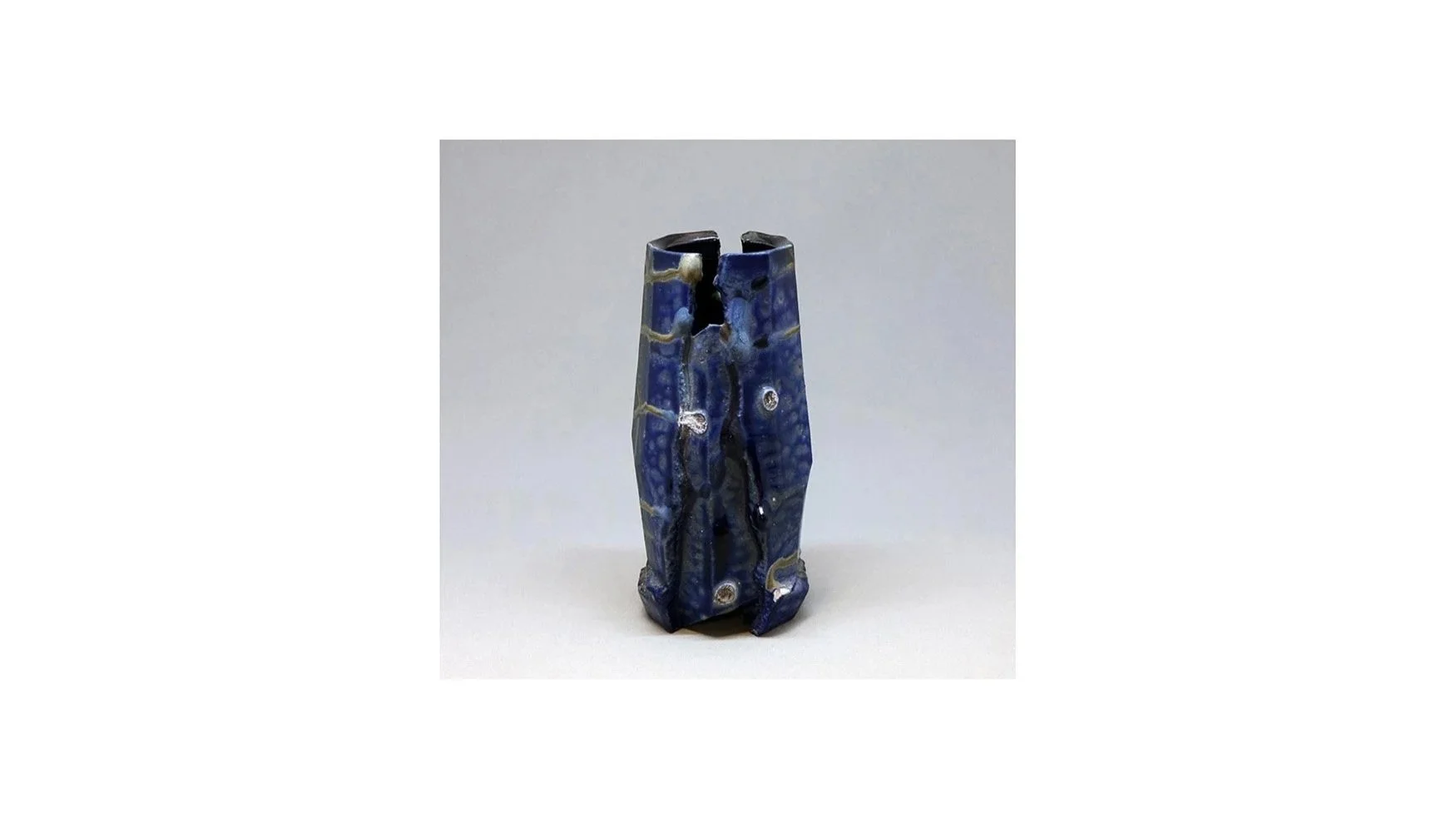
Takashi Baba (b. 1983), Vase from the Ao (blue) series, H 20 cm x W 9.1 cm.
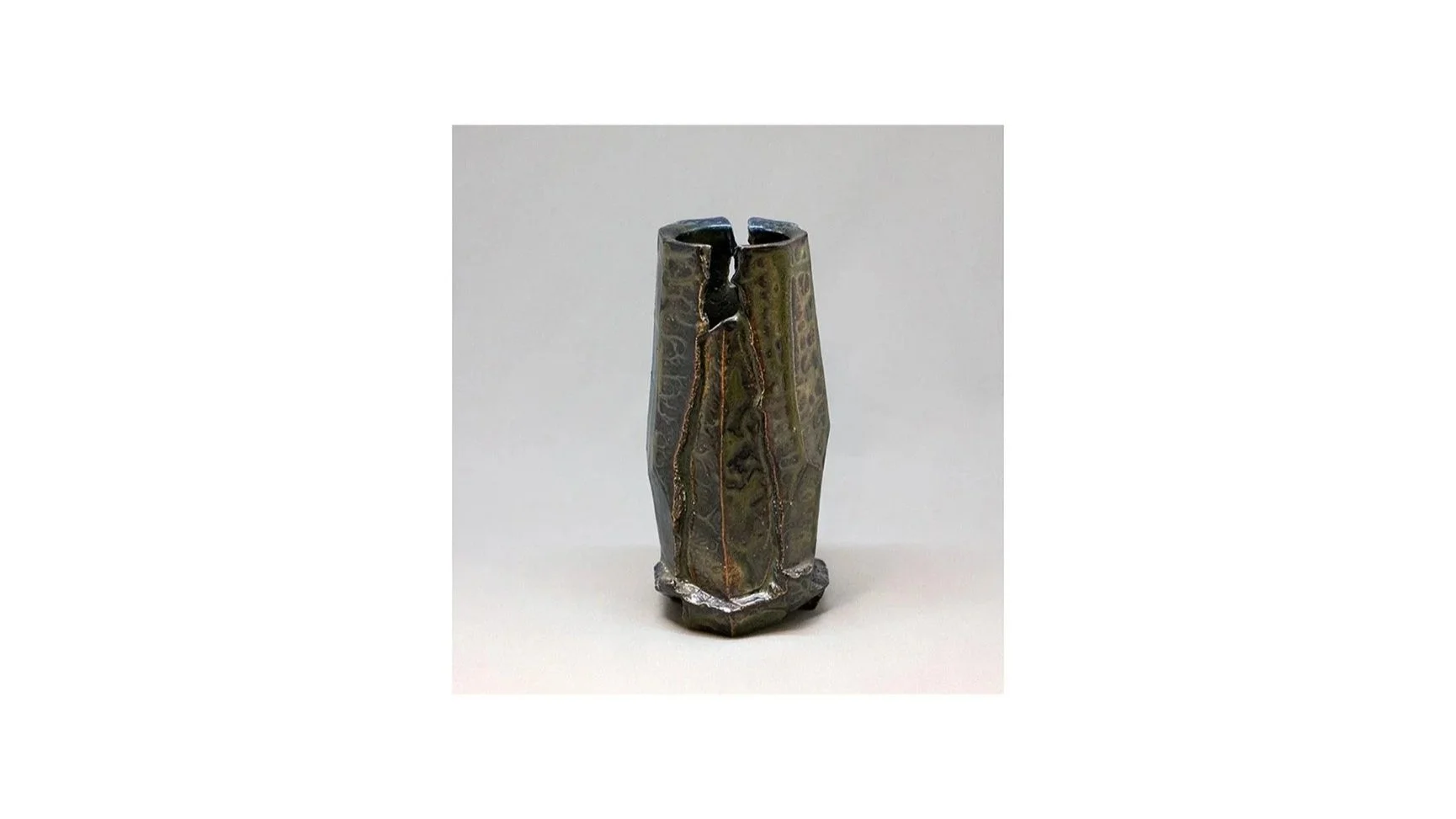
Takashi Baba (b. 1983), Vase from the Ao (blue) series, H 20 cm x W 9.1 cm.
A yohen (kiln-changed) vase by Takashi Baba from his Ao (blue) series, showcasing a deep blue glaze and complex surface patterns formed by impressions and glaze drips.

Fujiwara Yu (1932-2001). Bizen flower vase with purplish tones and natural ash glaze patterns, H 21.1 cm x W 13 cm.

Fujiwara Yu (1932-2001). Bizen flower vase with purplish tones and natural ash glaze patterns, H 21.1 cm x W 13 cm.

Fujiwara Yu (1932-2001). Bizen flower vase with purplish tones and natural ash glaze patterns, H 21.1 cm x W 13 cm.
A tall cylindrical vase by Fujiwara Yu featuring the Fujiwara family’s signature opalescent purple hue, enhanced by the skillful drawing out of two prized ash glaze effects: goma (the sesame-seed pattern) and botamochi (round patterns of lighter color that resemble the Japanese botamochi sweet). The son of Living National Treasure, Fujiwara Kei, Fujiwara Kei was himself designated a Living National Treasure in 1996 for his efforts in preserving and teaching traditional techniques of Bizen pottery. His work is known for their finely textured surfaces and mastery of firing effects using only wood ash as a glaze.
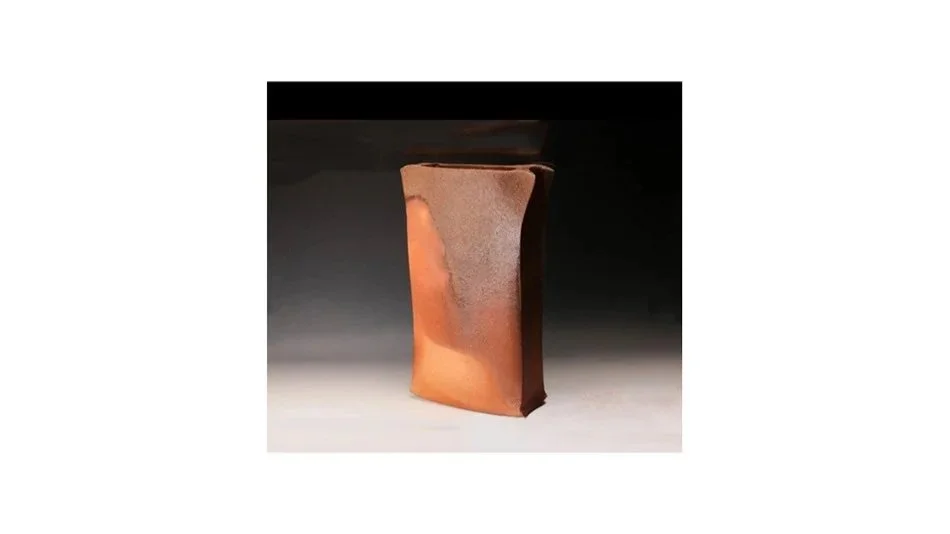
Isezaki Jun (b. 1936), Rectangular vase with natural ash glaze, H 42 cm.
A rectangular vase with subtle glaze gradations by Living National Treasure Isezaki Jun (b. 1936) who is known for combining traditional techniques with modern, sculptural forms often using slab-building methods. His works are held by leading museums around the world including the Metropolitan Museum of Art in New York and the British Museum in London.
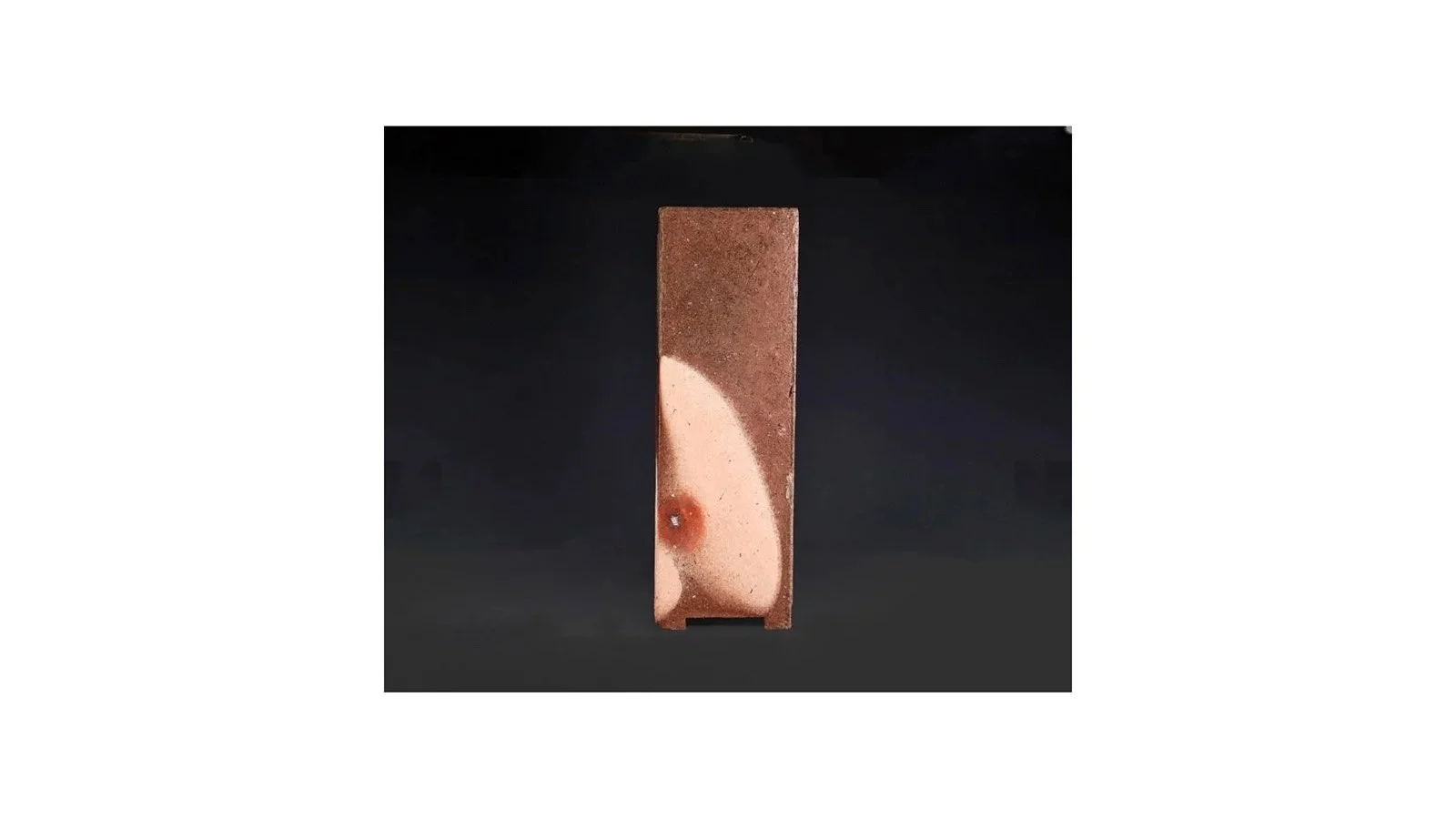
Isezaki Koichiro (b. 1974). Yohen Bizen Vase, wood-fired stoneware, H 30 cm x W 9.6 cm.
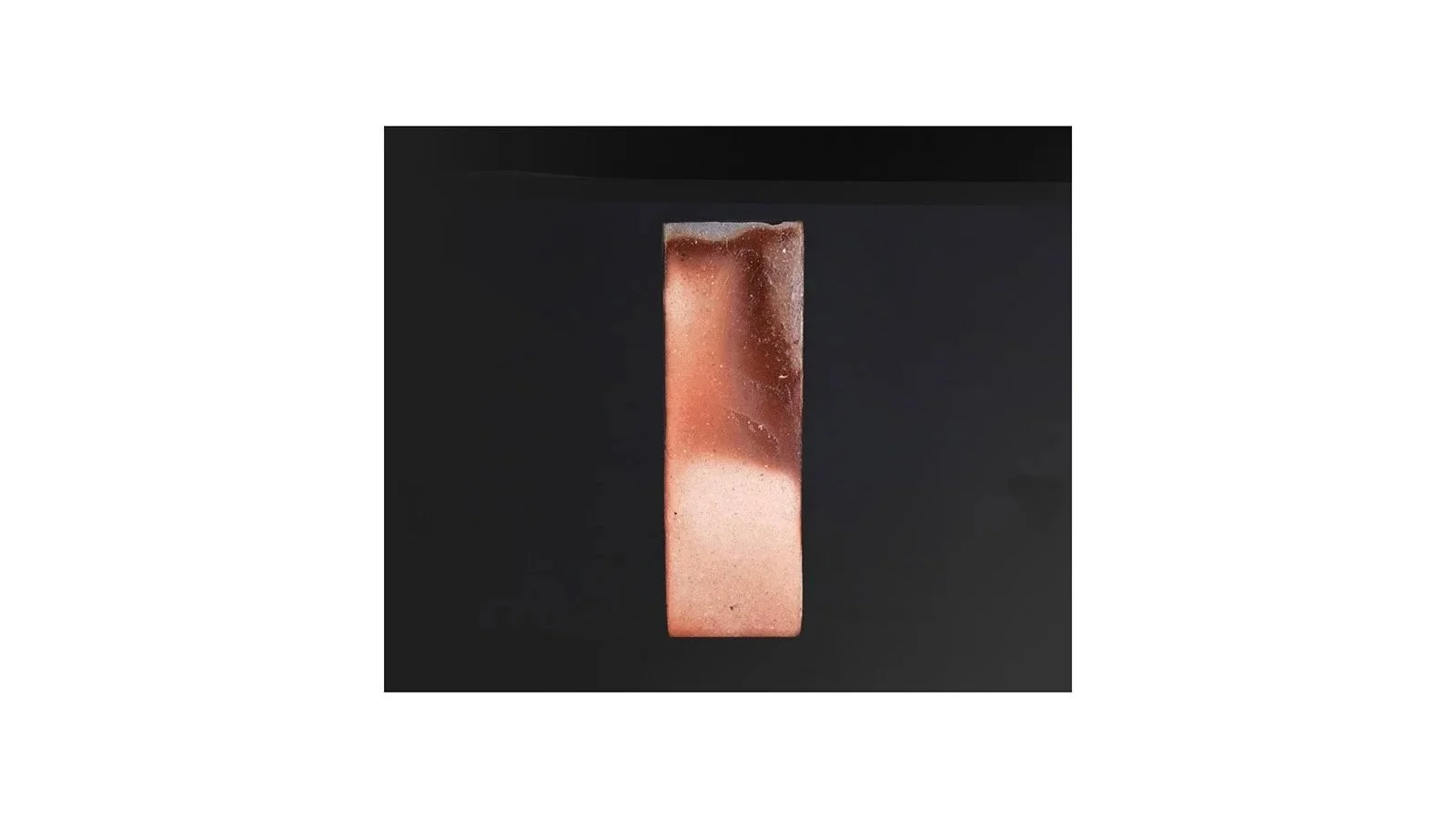
Isezaki Koichiro (b. 1974). Bizen Vase, wood-fired stoneware, H 30 cm x W 9.6 cm.
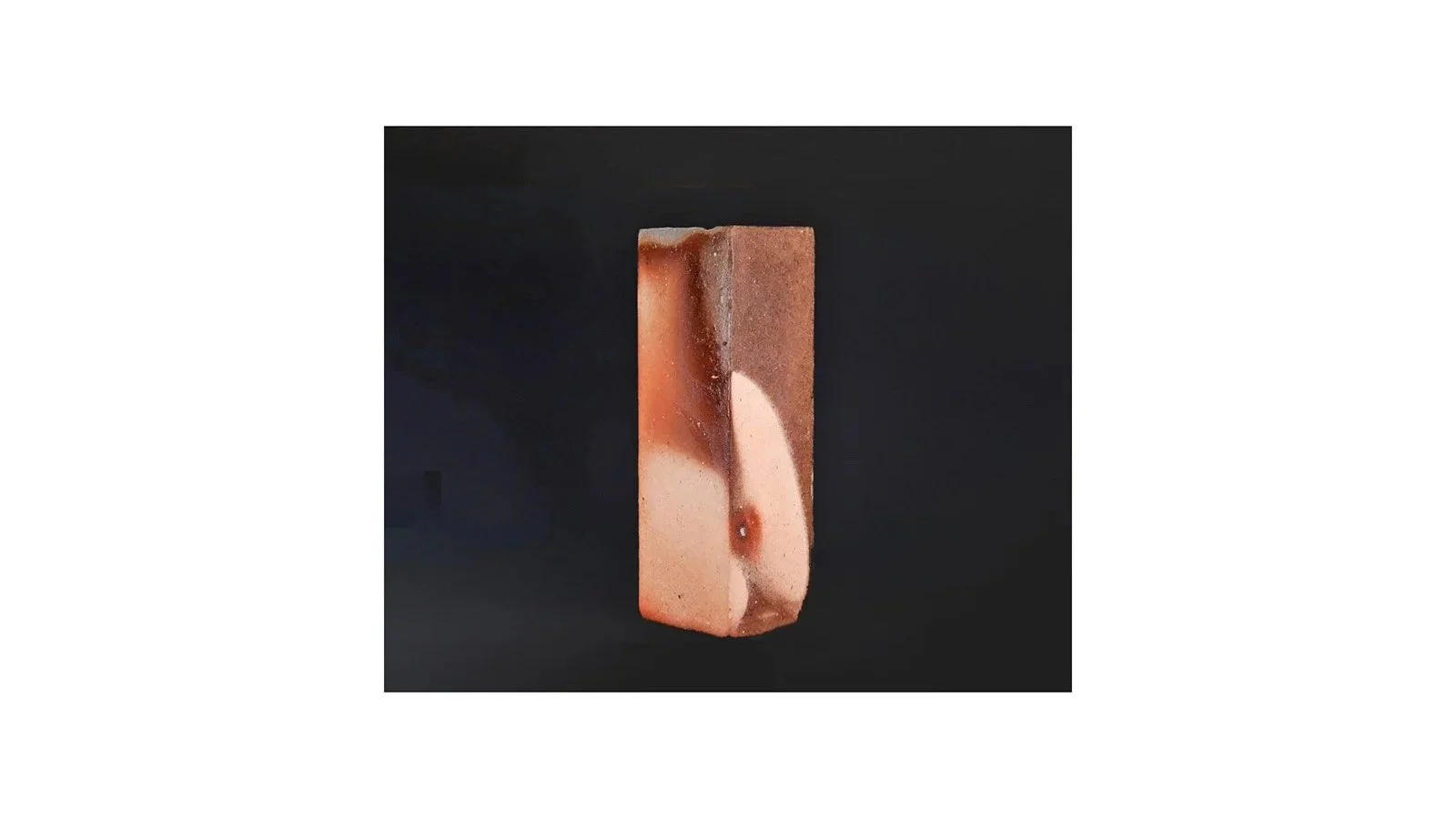
Isezaki Koichiro (b. 1974). Yohen Bizen Vase, wood-fired stoneware, H 30 cm x W 9.6 cm.
This yohen (kiln-changewd) vase by Isezaki Koichiro clearly shows the influence of his father, Living National Treasure, Isezaki Jun. With an economy of glaze colors, the vase exudes an air of traditional elegance married to contemporary sensibilities. Isezaki Koichiro is a rising star in modern Bizen ceramics, winning many coveted prizes, including the Ceramic Art Grand Prize in 2011 awarded by the Paramita Museum in Mie Prefecture and the 2022 Japan Ceramic Society Award. He is also widely showcased by leading ceramic art galleries in Japan, the UK and the US.
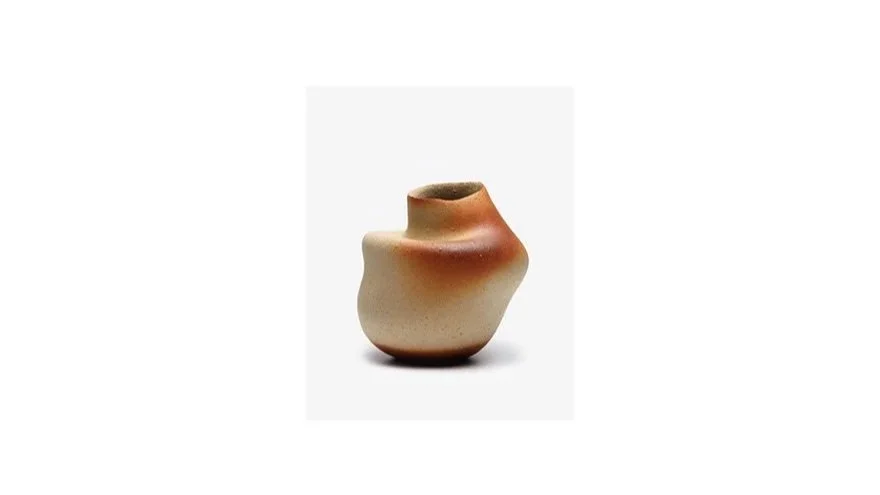
Isezaki Koichiro (b. 1974), Vessel, from the Yo series, H 26 cm x W 26 cm. Private collection.
Yō (孕), meaning "conception" or "budding," is a signature series of sculptural ceramics by the Koichiro Isezaki which he uses to explore how a form can “feel” space when it is bent. The pieces often feature dramatically distorted forms that seem to swell to the point of bursting like a flower at the moment of bursting from its bud.

Kakurezaki Ryuichi (b. 1950). Incense burner (koro), Bizen ware, partly glazed, wood and pewter lid, H 19 cm x W 8 cm x D 8 cm.

Kakurezaki Ryuichi (b. 1950). Incense burner (koro), Bizen ware, partly glazed, wood and pewter lid, H 19 cm x W 8 cm x D 8 cm.

Kakurezaki Ryuichi (b. 1950). Incense burner (koro), Bizen ware, partly glazed, wood and pewter lid, H 19 cm x W 8 cm x D 8 cm.
An incense burner with a pewter lid by the renowned contemporary Bizen potter, Kakurezaki Ryuichi with a form that resembles a zoomorphic creature standing on its legs. Born in Nagasaki in 1950, Kakurezaki Ryuichi has singularly transformed Bizen ware from traditional forms into modern sculptural works that are fresh and avant-garde. His works are exhibited widely and are held by many important museums such as the V&A in London, the Museum of Fine Arts in Boston and the National Museum of Modern Art in Tokyo, among others.
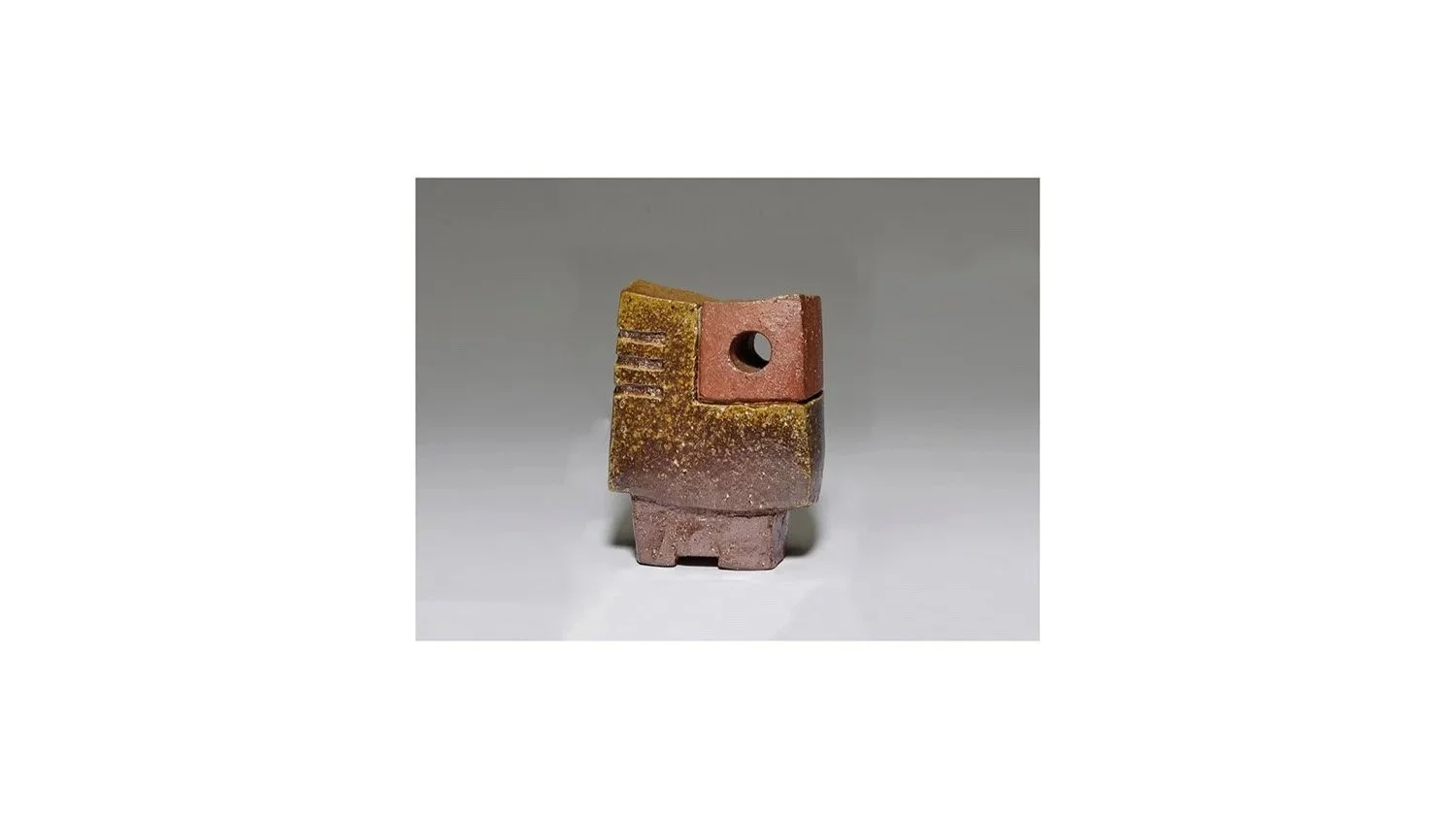
Wakimoto Hiroyuki (b. 1952), Sculpture in two-part form, natural ash glaze, H 20.3 cm x W 20 cm. Private collection.
An avant-garde vase by Wakimoto Hiroyuki who is known for his innovative take on Bizen pottery. This piece is blocky in construction and comes with a lid (top right). The reddish-brown color and earthly texture are classic features of unglazed Bizen ware.
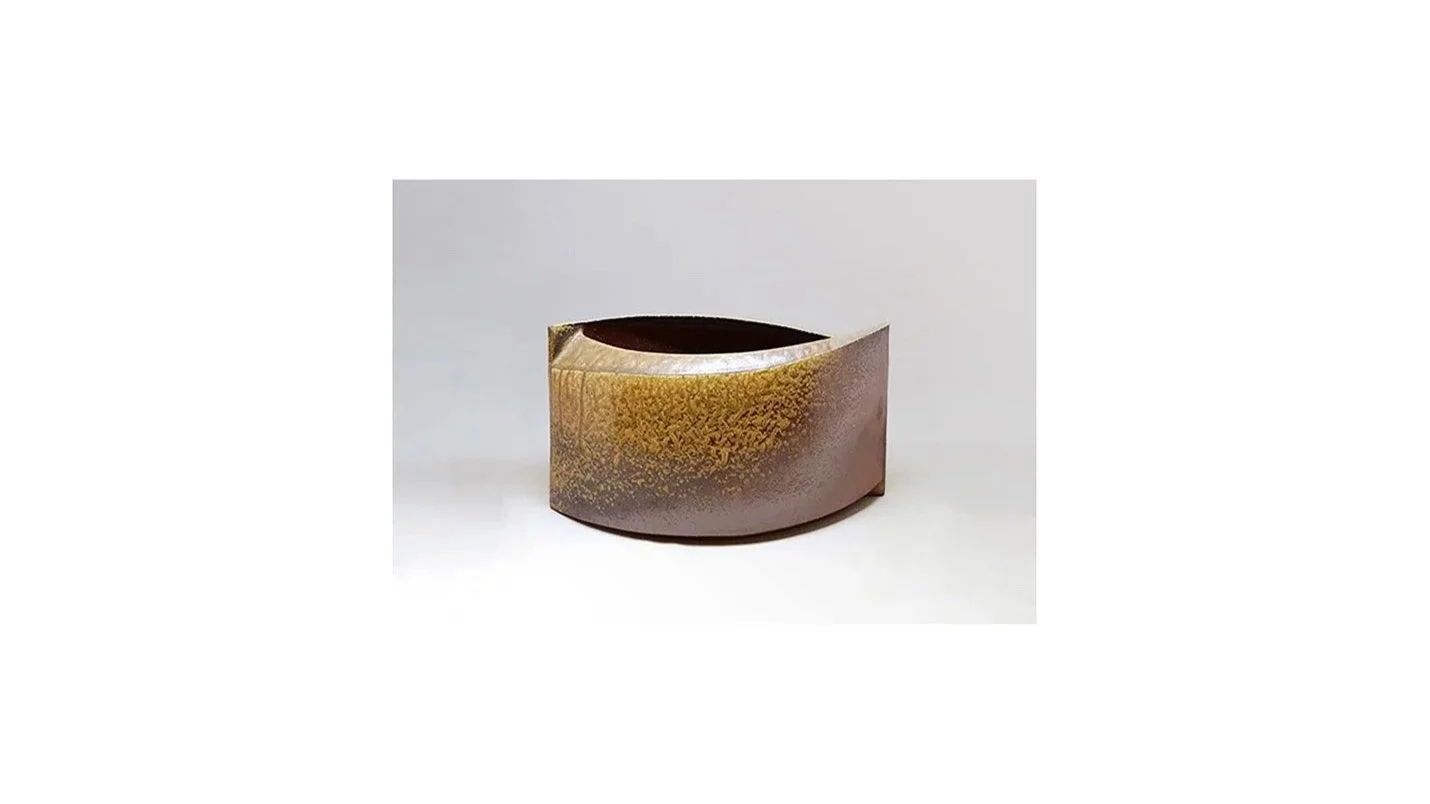
Isezaki So (b. 1968), Horizontal vase with natural ash glaze, Bizen ware, H20 x W33.5 x D17cm.
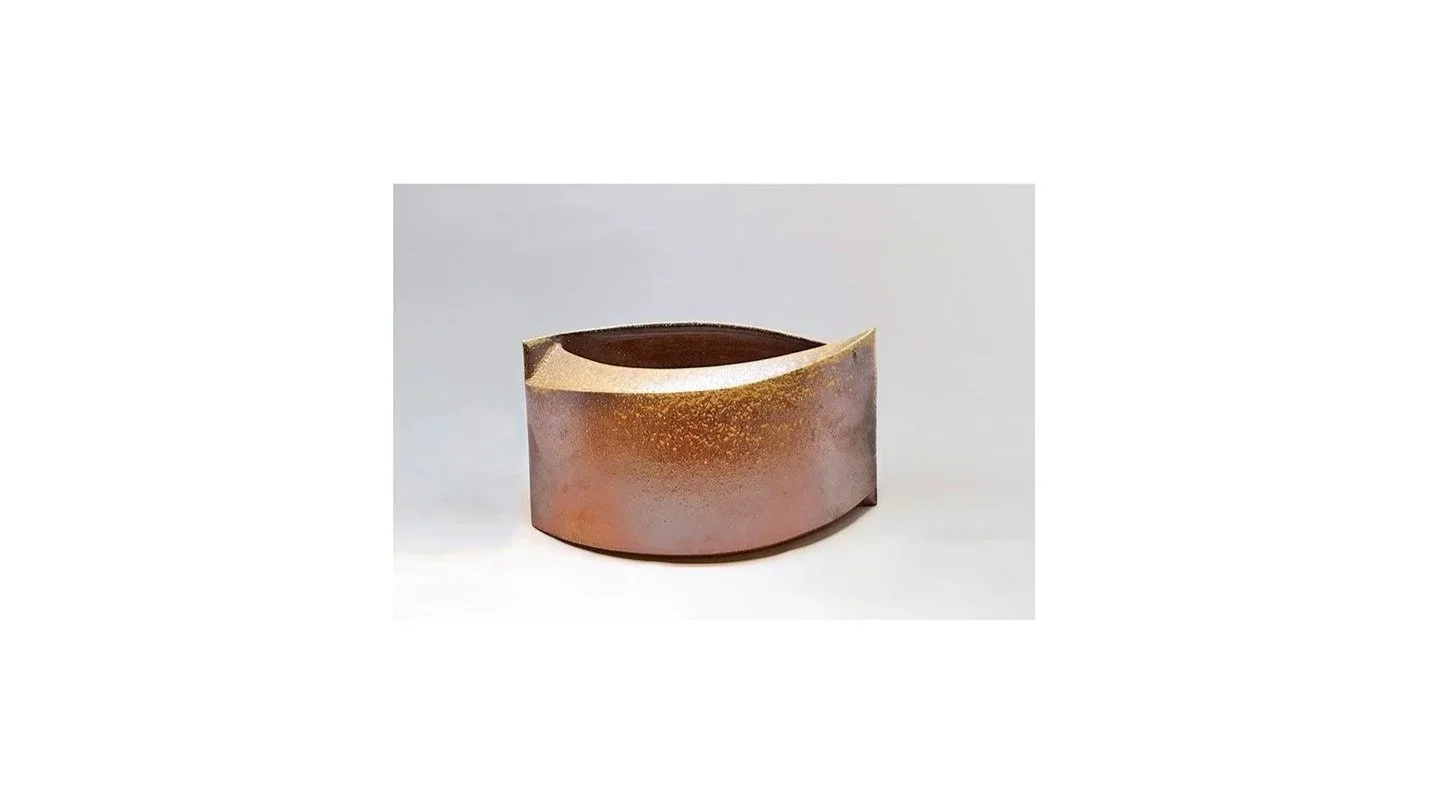
Isezaki So (b. 1968), Horizontal vase with natural ash glaze, Bizen ware, H20 x W33.5 x D17cm.
A curled horizontal vase by Isezaki So, the third son of Isezaki Mitsuru, one of the four legendary Isezaki brothers from Bizen. The vase has an abstract organic shape and natural ash glaze pattern known as goma or sesame seed. This piece won the Kaneshige Toyo Prize at the 67th Chugoku Traditional Kōgei Exhibition in 2024 for its distinctive, bold curves showcasing the inherent strength of Bizen clay.